



The Rise of Sri Lankan DTC and the Local Payment Gap
The Sri Lankan e-commerce landscape is undergoing a dynamic transformation, fueled by a surge in Direct-to-Consumer (DTC) brands. Driven by increased internet access and a vibrant entrepreneurial spirit, local creators and businesses are building powerful connections with their customers through social media and dedicated online storefronts. From artisanal crafts to fashion and organic foods, these brands are bypassing traditional retail, offering unique products and personalized experiences directly to a growing online audience.
However, this rapid growth has exposed a critical friction point: the payment process. Many Sri Lankan DTC brands rely on international payment gateways that are not always aligned with local consumer habits. These platforms often require credit or debit cards enabled for international transactions, a hurdle for a significant portion of the domestic market. Furthermore, consumers are frequently met with complex checkout flows and a lack of trust in unfamiliar payment systems, leading to high rates of cart abandonment.
This “payment gap” poses a significant barrier to scale. For a DTC brand’s success, a smooth and frictionless transaction is just as important as the product itself. The inability to offer simple, trusted, and accessible local payment options means lost sales and stunted growth. Customers expect to pay using the mobile wallets and banking apps they use every day. This disconnect highlights an urgent need for payment solutions tailored specifically to the Sri Lankan market, empowering local brands to fully capitalize on the digital boom.
Why Local Payment Methods Resonate with Sri Lankan Shoppers
For Sri Lankan consumers, the checkout process is increasingly a local affair. While international credit cards have their place, the real growth and preference are shifting towards homegrown payment solutions. This isn’t just a trend; it’s a reflection of deep-seated consumer habits, trust, and the unique digital landscape of the island nation. Understanding this shift is crucial for any Direct-to-Consumer (DTC) brand aiming for success.
Several key factors drive this preference for local options like FriMi and Dialog Axiata’s services:
- Trust and Familiarity: Brands like FriMi, backed by a major local bank, and Dialog Axiata, the country’s leading telecommunications provider, are household names. Shoppers feel more secure transacting with entities they know and interact with daily. This familiarity reduces the perceived risk of online payments and builds instant confidence in the transaction.
- Financial Inclusivity: Credit card penetration in Sri Lanka is not universal. Mobile-first platforms democratize e-commerce by allowing anyone with a mobile phone and a bank account—or even just a mobile wallet—to pay online. They bridge the gap for a large segment of the population, significantly expanding the potential customer base for DTC brands beyond traditional cardholders.
- Unmatched Convenience: The modern Sri Lankan shopper values speed and simplicity. Local payment apps offer one-tap payments, QR code scanning, and seamless bank transfers without the hassle of entering 16-digit card numbers, expiry dates, and CVV codes. This streamlined experience drastically reduces cart abandonment and enhances overall customer satisfaction.
- Mobile-Centricity: With extremely high mobile phone penetration, Sri Lankan life happens on a smartphone. Payment methods integrated directly into this mobile ecosystem feel natural and intuitive, aligning perfectly with their daily digital behaviors.
By integrating these local gateways, DTC brands do more than just process a payment; they demonstrate a deep understanding of the local market, fostering trust and loyalty that converts browsers into buyers.
Deep Dive: Integrating FriMi for a Seamless Checkout
For Sri Lankan Direct-to-Consumer (DTC) brands, the final step in the sales funnel—the checkout—is the most critical. A complicated payment process leads directly to abandoned carts. Integrating FriMi is about transforming this potential friction point into a smooth, intuitive experience. By embedding a payment method that lives on a customer’s smartphone, brands can significantly boost conversion rates and build loyalty with a mobile-first audience.
The integration is designed for simplicity. For merchants, it typically involves connecting to FriMi’s payment gateway through a robust API integration. Many e-commerce platforms offer plugins or extensions that make this process even easier, minimizing the need for extensive custom development. The result is a clean and efficient checkout flow for the customer.
The Customer Journey: A Two-Tap Process
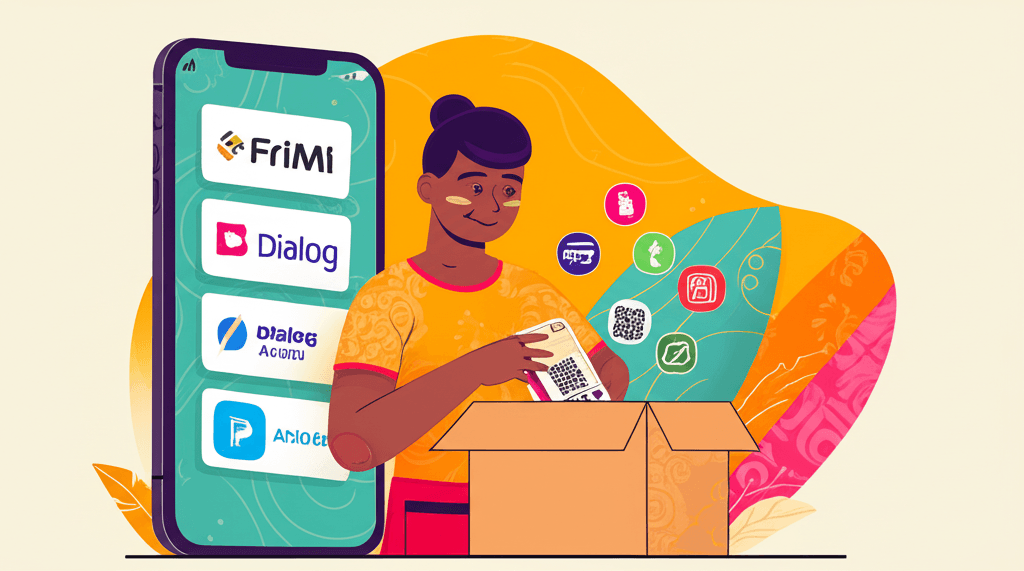
- Select FriMi: At checkout, the customer selects ‘Pay with FriMi’ from the list of payment options.
- Authorize Payment: A dynamic QR code appears on-screen for desktop users, or a push notification prompts mobile users to open their FriMi app.
- Confirm & Complete: Within the app, the customer authenticates the transaction instantly using their secure PIN or biometrics. They are then automatically redirected back to the merchant’s confirmation page.
This seamless flow directly addresses common e-commerce challenges. It eliminates the tedious task of manually entering 16-digit card numbers, expiry dates, and CVV codes—a major cause of user drop-off. By leveraging the security and familiarity of a trusted local digital bank, it enhances customer confidence. Furthermore, this mobile-centric approach aligns perfectly with the shopping habits of Sri Lankan consumers, providing the speed and convenience they expect. The transaction is confirmed in real-time, giving both the brand and the customer immediate peace of mind.
Dialog Axiata: Tapping into a Massive Mobile User Base
As Sri Lanka’s foremost telecommunications giant, Dialog Axiata commands an unparalleled position in the local market. Its massive subscriber base is more than just a statistic; it represents a deeply engaged, mobile-first audience that forms the backbone of the nation’s digital economy. For Direct-to-Consumer (DTC) brands aiming for scale, this network isn’t just a channel for marketing—it’s a direct gateway to millions of potential customers.
The critical link between this vast audience and commerce is the payment process. By integrating with Dialog’s ecosystem, DTC brands can tap into localized payment solutions that resonate with Sri Lankan consumers. This creates a powerful synergy with digital payment platforms like FriMi, as a significant portion of their user base inevitably operates on the Dialog network. This integration allows for incredibly frictionless checkout experiences, where a customer’s mobile number becomes their payment identifier. Options range from direct carrier billing to seamless one-tap authorizations through connected digital wallets.
This mobile-centric payment model directly addresses emerging consumer expectations for speed, security, and convenience. It eliminates the need for cumbersome credit card entries, a significant barrier in a market where card penetration is not universal. For DTC brands, the advantages are clear: drastically reduced cart abandonment, access to a broader customer segment, and enhanced credibility by associating with a trusted national brand like Dialog. By leveraging this ecosystem, brands are not merely offering another payment option; they are embedding themselves into the daily digital life of their customers, turning mobile engagement into effortless commerce.
Implementation Strategy for Your DTC Store
To successfully cater to the Sri Lankan market, integrating localized payment solutions like FriMi and Dialog Axiata is essential. This strategy provides a clear, phased roadmap for your Direct-to-Consumer (DTC) store to adopt these platforms, enhancing customer experience and driving sales.
Phase 1: Technical Assessment and Integration
The foundation of this strategy lies in seamless technical execution. First, evaluate your e-commerce platform’s compatibility. Many platforms like Shopify or WooCommerce offer plugins or can be integrated via APIs provided by payment gateway aggregators that support FriMi and Dialog services (such as Dialog’s genie).
- Partner with a Payment Gateway: Engage a local payment service provider that already offers these methods. This simplifies integration, security compliance, and settlement processes.
- API Implementation: If a direct plugin is not available, your development team can use the official APIs from FriMi and Dialog Axiata to build a custom integration.
- Sandbox Testing: Before going live, conduct thorough testing in a sandbox environment to ensure the entire transaction lifecycle—from payment to confirmation and refunds—is flawless.
Phase 2: User Experience (UX) Optimization
A frictionless checkout process is critical. The new payment options must feel like a natural part of your store’s experience.
- Clear Visibility: Prominently display the FriMi and Dialog Axiata logos on your payment selection page. This instantly informs customers that their preferred, trusted methods are available.
- Mobile-First Design: Since these are mobile-centric payment methods, ensure the checkout flow is optimized for smartphones. The process should be simple, guiding users to authorize payment in their respective apps and returning them to a confirmation screen on your site without hassle.
Phase 3: Marketing and Customer Education
Once integrated, you must inform your audience. Announce the new payment options across all your marketing channels, including social media, email newsletters, and website banners. Highlight the key benefits: convenience, enhanced security, and no need for a credit card. To accelerate adoption, consider offering a limited-time launch promotion or a small discount for customers who complete their purchase using FriMi or Dialog Axiata.
The Future of Sri Lankan E-commerce is Local
The next wave of growth for Sri Lanka’s direct-to-consumer (DTC) brands lies not in mirroring global trends, but in catering to the local market with authentic, localized experiences. A critical aspect of this is the checkout process. While international payment gateways have their place, they often present barriers like high transaction fees and a lack of familiarity among consumers who prefer homegrown solutions. To truly connect with the domestic market, brands must meet customers where they are, offering the payment methods they already trust and use daily.
This is where local payment powerhouses like FriMi and Dialog Axiata are changing the game. FriMi, as a fully-fledged digital bank, offers a seamless and secure payment experience directly from a user’s smartphone. For DTC brands, integrating FriMi means providing a fast, modern checkout option that resonates with a digitally-native audience, helping to reduce cart abandonment and build consumer confidence.
Similarly, Dialog Axiata leverages its vast telecommunications network to provide accessible mobile payment solutions. This is vital for reaching a broader demographic, including customers in rural areas or those without traditional bank accounts and credit cards. By enabling payments through mobile wallets, Dialog bridges a crucial gap, unlocking a massive and previously untapped market segment for online businesses.
For Sri Lankan DTC brands, embracing these local payment ecosystems is a strategic imperative. It leads to lower operational costs, higher conversion rates, and deeper customer loyalty. Integrating trusted names like FriMi and Dialog Axiata signals a genuine understanding of the Sri Lankan consumer, paving the way for sustainable growth in a competitive digital landscape.