Website Redesign Checklist for Sri Lankan Businesses (Gampaha/Colombo Edition)
Phase 1: Strategy & Planning for the Gampaha/Colombo Market
Before you change a single colour or write any code, you need a solid plan. This is the most important step in any website redesign. A good strategy ensures your new site meets your business goals and connects with customers in the busy Gampaha and Colombo markets. Skipping this phase often leads to wasted time and money.
A strong plan acts as your roadmap for the entire project. It helps everyone involved—from designers to developers—understand the final goal. To build a truly successful website for your business, start with these key planning points:
Define Your Goals: Why are you redesigning your website? Do you want to increase online sales, generate more inquiries through a contact form, or simply build a stronger brand presence in Sri Lanka? Write down your top 2-3 measurable goals.
Understand Your Local Audience: Who are your customers in Colombo and Gampaha? Are they young professionals browsing on their phones, or are they families looking for local services? Knowing their needs and habits will shape the design and content.
Analyse Your Competitors: Look at the websites of other local businesses in your industry. What are they doing well? Where are their websites weak? Finding these gaps gives you an opportunity to stand out.
Set a Realistic Budget and Timeline: Determine how much you can invest in the redesign. Having a clear budget helps you make important decisions, like whether to work with a freelancer or a web design agency. Also, set a realistic deadline for the project launch.
Plan Your Content Structure: Decide what pages and information your site needs. Plan for essential pages like Home, About Us, Services, and Contact. Consider if you need to offer content in Sinhala or Tamil to better serve your local customers.
Phase 2: Design & User Experience (UX) Tailored for Sri Lankans
A good website is more than just nice colors. It must be easy for your customers in Gampaha and Colombo to use. This is called User Experience, or UX. A strong UX design helps visitors find what they need without confusion, turning them into happy customers.
Here’s what to focus on for your Sri Lankan audience:
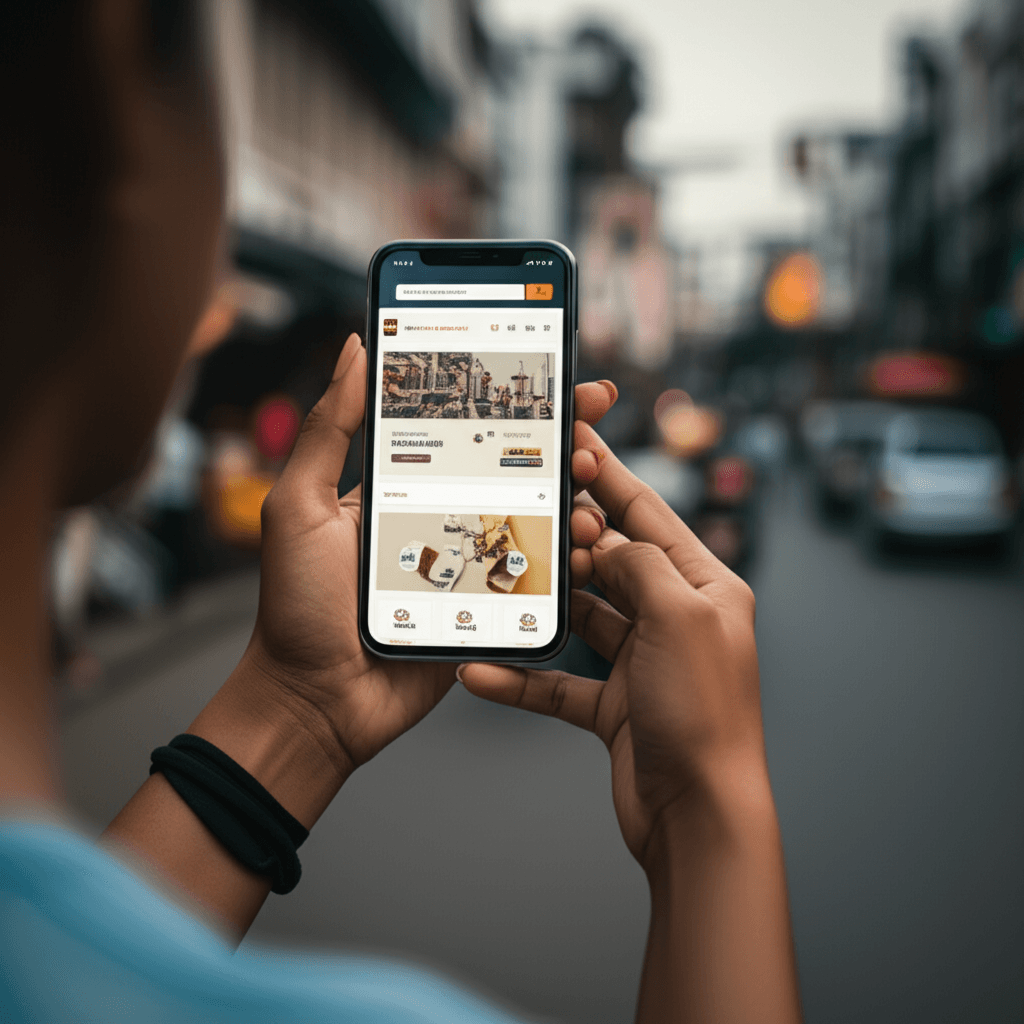
Mobile-First is a Must: Most Sri Lankans browse the internet on their phones. Your redesigned website must look and work perfectly on a small screen. If it’s hard to use on a phone, you will lose sales. Test your design on mobile devices before you check it on a desktop.
Keep it Simple and Clean: A cluttered website is confusing. Use a clean layout with clear headings, short paragraphs, and plenty of white space. Visitors should be able to find your products, contact number, or location in just a few clicks.
Speed is Key: No one waits for a slow website. With varying internet speeds in Sri Lanka, your site must load fast. Slow pages frustrate users, and they will go to a competitor. Optimizing your site for high performance is crucial for keeping visitors engaged.
Think and Act Local: Use images that reflect Sri Lankan culture. Consider offering content in Sinhala and Tamil. Most importantly, provide payment options that people trust. Including localized payments like FriMi, bank transfers, and Cash on Delivery can significantly boost your sales.
Clear Calls-to-Action (CTAs): Tell visitors what to do next. Use clear, visible buttons like “Buy Now,” “Request a Quote,” or “Call Us.” Make your phone number and WhatsApp contact easy to find on every page.
Phase 3: Content & Local SEO for Colombo/Gampaha Visibility
A beautiful new website is useless if local customers can’t find it. This phase focuses on making sure people searching in Colombo and Gampaha see your business. Strong content and local Search Engine Optimization (SEO) are essential for this.
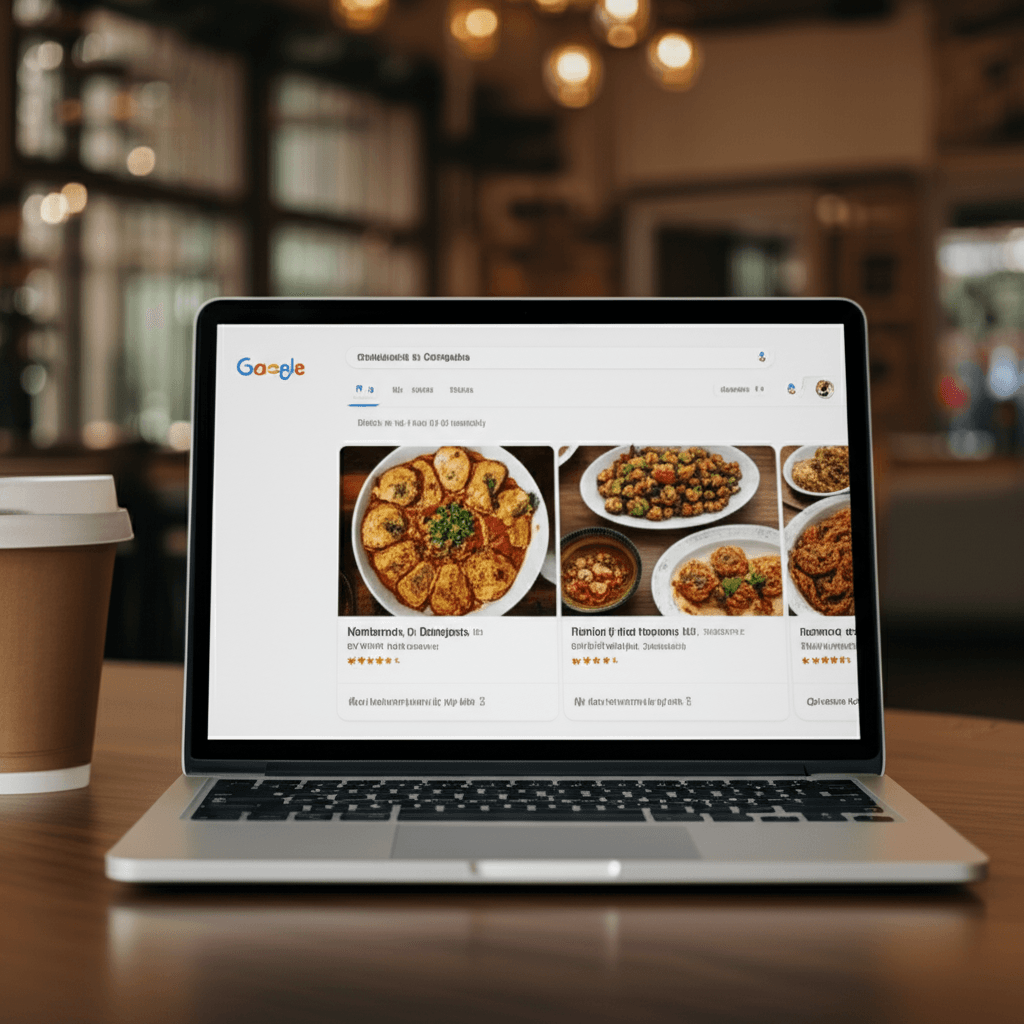
Your goal is to appear in Google search results when a potential customer types “best restaurant in Gampaha” or “IT services Colombo.” Here’s how to make that happen:
Review and Update Content: Look at your existing website pages. Is the information still correct and relevant to a Sri Lankan audience? Update your services, team photos, and company information. Remove anything that is outdated.
Find Local Keywords: Think like your customers. What words would they use to find you? Brainstorm a list of keywords that include your business type and location (e.g., “wedding photographer Colombo,” “hardware store Kadawatha”).
Optimize Your Pages (On-Page SEO): Add your local keywords to your website’s page titles, headings, and main text. Make sure your address and phone number are easy to find. Using the right SEO plugin for your Sri Lankan business can make this process much easier.
Set Up Google Business Profile: This is a powerful free tool. Claim and completely fill out your Google Business Profile. Add your correct address, phone number, business hours, and photos. This helps you show up on Google Maps.
Create Local Content: Write blog posts or guides that are useful for people in your area. A real estate agent in Gampaha could write about “Tips for Buying Land in the Gampaha District.” This shows you are a local expert and helps you rank for more search terms.
By focusing on local visibility, your redesigned website will become a powerful tool for attracting customers in the Colombo and Gampaha districts.
Phase 4: Go-Live & Post-Launch Essentials
This is the final and most exciting step. Launching your new website is a big moment for your Colombo or Gampaha business. But the work doesn’t stop once the site is live. Here’s how to ensure a smooth launch and long-term success.
Pre-Launch Final Checks
Before you “flip the switch,” run through these last-minute tasks:
Full Backup: Make a complete backup of your old website. This is your safety net in case anything goes wrong.
Final Testing: Do one last check on all devices (phones, tablets, desktops). Test every link, button, and form to ensure they work correctly.
Install Tracking Tools: Make sure Google Analytics and Google Search Console are set up. This helps you track visitors and performance from day one.
Plan Your Redirects: Create a list of 301 redirects. This tells search engines where to find old pages on your new site, protecting your SEO rankings.
Going Live
The moment has arrived! Your web developer will handle the technical side of making the new site public. This usually involves updating your domain settings to point to the new server. There might be a short period where the site is unavailable, so it’s best to launch during a time with low traffic, like late at night.
After the Launch: What’s Next?
Your new website is a powerful business tool, but it needs care to perform well.
Monitor Everything: For the first few weeks, keep a close eye on your site. Watch for error messages, check your site speed, and make sure all features are running smoothly.
Announce It: Tell everyone about your new website! Share it on social media, send an email to your customers, and update your business listings.
Ongoing Maintenance: A website is never truly “finished.” It needs regular updates, security checks, and backups. Neglecting this can lead to slow performance or security risks. Consider a professional plan to keep your site in top shape. You can learn more about website maintenance packages to protect your investment.
Track Your Goals: Use your analytics to see if the redesign is working. Are you getting more inquiries? Are sales increasing? This data helps you make smart decisions and stay ahead of upcoming SEO trends.
{“@context”:”https://schema.org”,”@type”:”FAQPage”,”mainEntity”:[{“@type”:”Question”,”name”:”How much does a website redesign cost for a business in Colombo or Gampaha?”,”acceptedAnswer”:{“@type”:”Answer”,”text”:”The cost of a website redesign in Sri Lanka varies widely based on complexity, features, and the agency you choose. A simple redesign for a small business can start from LKR 80,000, while a complex e-commerce site can cost several lakhs. It’s best to get a custom quote based on your specific requirements.”}},{“@type”:”Question”,”name”:”Will I lose my Google search rankings after a website redesign?”,”acceptedAnswer”:{“@type”:”Answer”,”text”:”Not if it’s done correctly. A proper redesign process includes a thorough SEO migration plan with 301 redirects, content mapping, and technical checks. A well-executed redesign can often improve your search rankings due to better user experience and technical performance.”}},{“@type”:”Question”,”name”:”How long does a typical website redesign project take in Sri Lanka?”,”acceptedAnswer”:{“@type”:”Answer”,”text”:”A standard redesign for a small to medium business typically takes 6 to 12 weeks. This timeline includes strategy, design, development, content entry, and testing phases. Larger, more complex projects can take longer.”}},{“@type”:”Question”,”name”:”Why is a mobile-friendly design so important for businesses in Sri Lanka?”,”acceptedAnswer”:{“@type”:”Answer”,”text”:”Mobile internet usage is extremely high across Sri Lanka, including in urban areas like Colombo and Gampaha. A majority of your potential customers will likely visit your site on a smartphone. A non-mobile-friendly site leads to a poor user experience and lost business.”}}]}