Inclusive Web Design Sri Lanka: Sinhala/Tamil/English Sites That Convert
Why Inclusive Design is Crucial for the Sri Lankan Market
Sri Lanka is a nation rich in culture and language. Your website should reflect this diversity. Inclusive design means creating an online experience that is easy for everyone to use. This includes people who speak different languages, have disabilities, use older devices, or have slow internet connections. In Sri Lanka, this isn’t just a nice idea—it’s a smart business strategy.
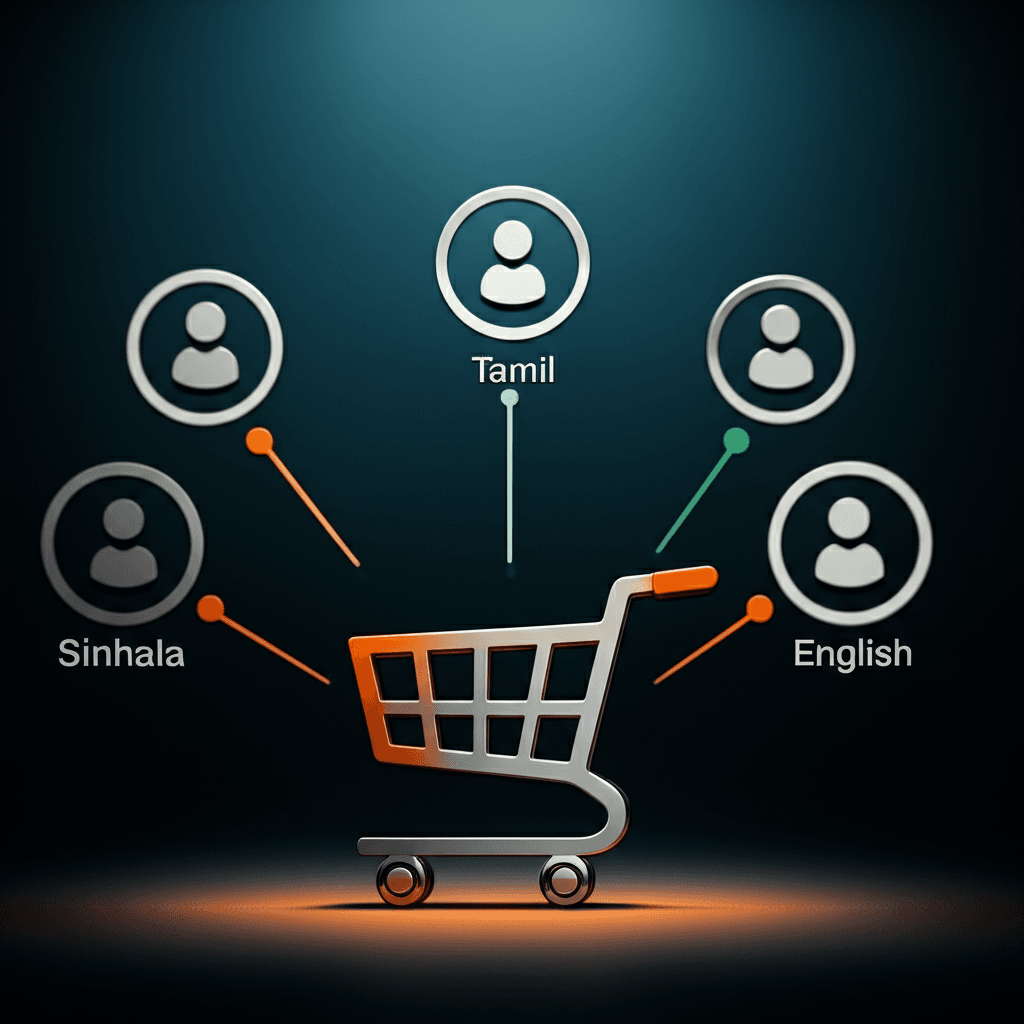
Imagine a potential customer in a rural area who is more comfortable reading Sinhala or Tamil than English. An English-only website creates a barrier. By offering content in all three languages, you open your doors to a much larger audience across the island. You connect with people in their own language, which builds trust and shows that you value their business. This approach is essential when building scalable WordPress portals for Sri Lankan home services and footwear retailers that aim to serve the entire country.
Inclusivity also means accessibility. This ensures that people with visual, hearing, or motor impairments can navigate and use your site. Simple changes, like adding text descriptions for images and using high-contrast colors, make a huge difference. Following global standards not only helps users with disabilities but also improves the experience for everyone. It can also boost your search engine rankings.
Ultimately, an inclusive website leads to more conversions. When users can easily understand your products and navigate your checkout process, they are more likely to make a purchase. By embracing Sinhala, Tamil, and English content and focusing on accessibility through practices like a WCAG compliance audit, you create a website that serves every Sri Lankan and grows your business.
Core Pillars of a High-Converting Trilingual Website
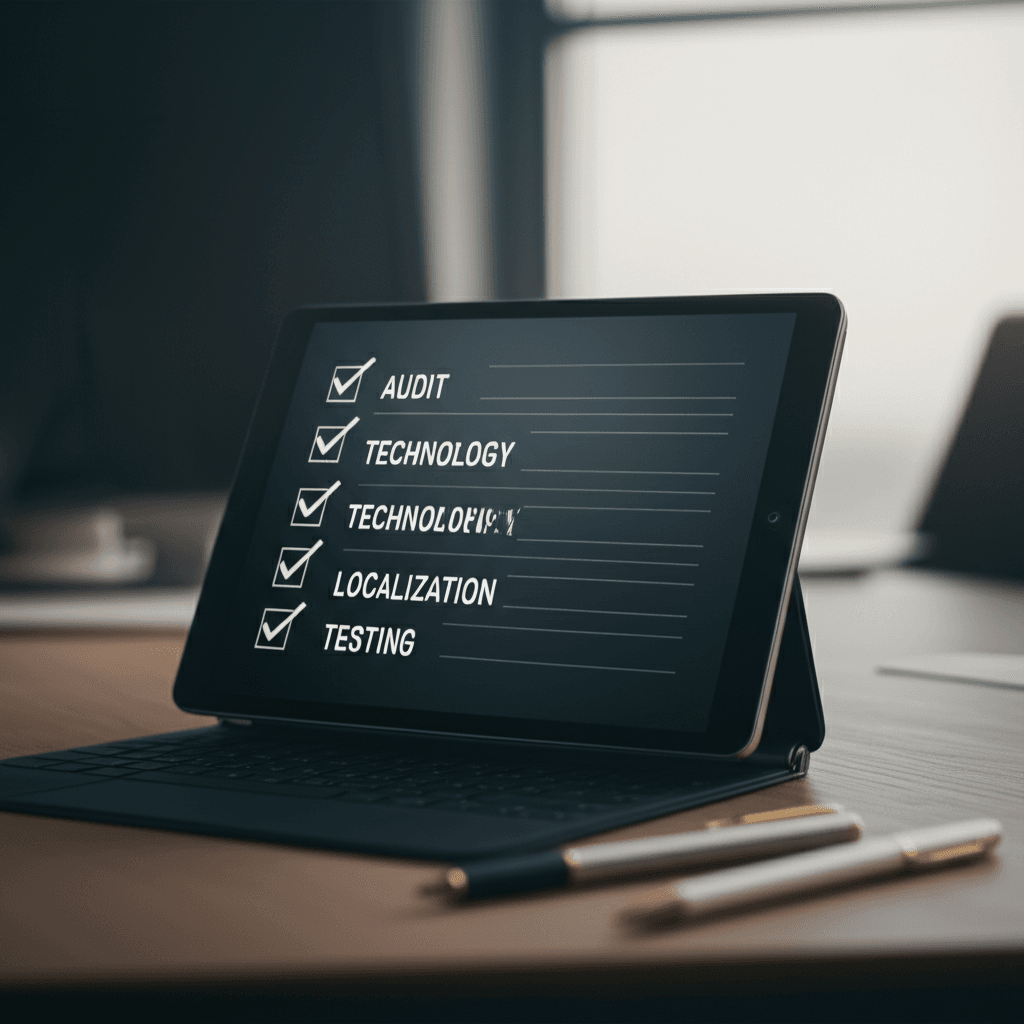
Creating a website that works well in Sinhala, Tamil, and English is more than just translating words. To truly connect with all your customers and turn visitors into buyers, your site needs a strong foundation. Think of it like building a house. These four pillars ensure your website is sturdy, welcoming, and effective for every user in Sri Lanka.
Cultural Localization: This goes beyond language. It means using images, colors, and examples that feel right to local users. When your content reflects Sri Lankan culture, it builds trust and makes visitors feel understood. It shows you respect their identity, which is key to conversion.
Technical Excellence: A slow website is a major turn-off. Your site must load quickly in all three languages and work perfectly on mobile phones. This includes an easy-to-find language switcher so users can move between Sinhala, Tamil, and English without frustration. A focus on optimizing Core Web Vitals is key to keeping users engaged.
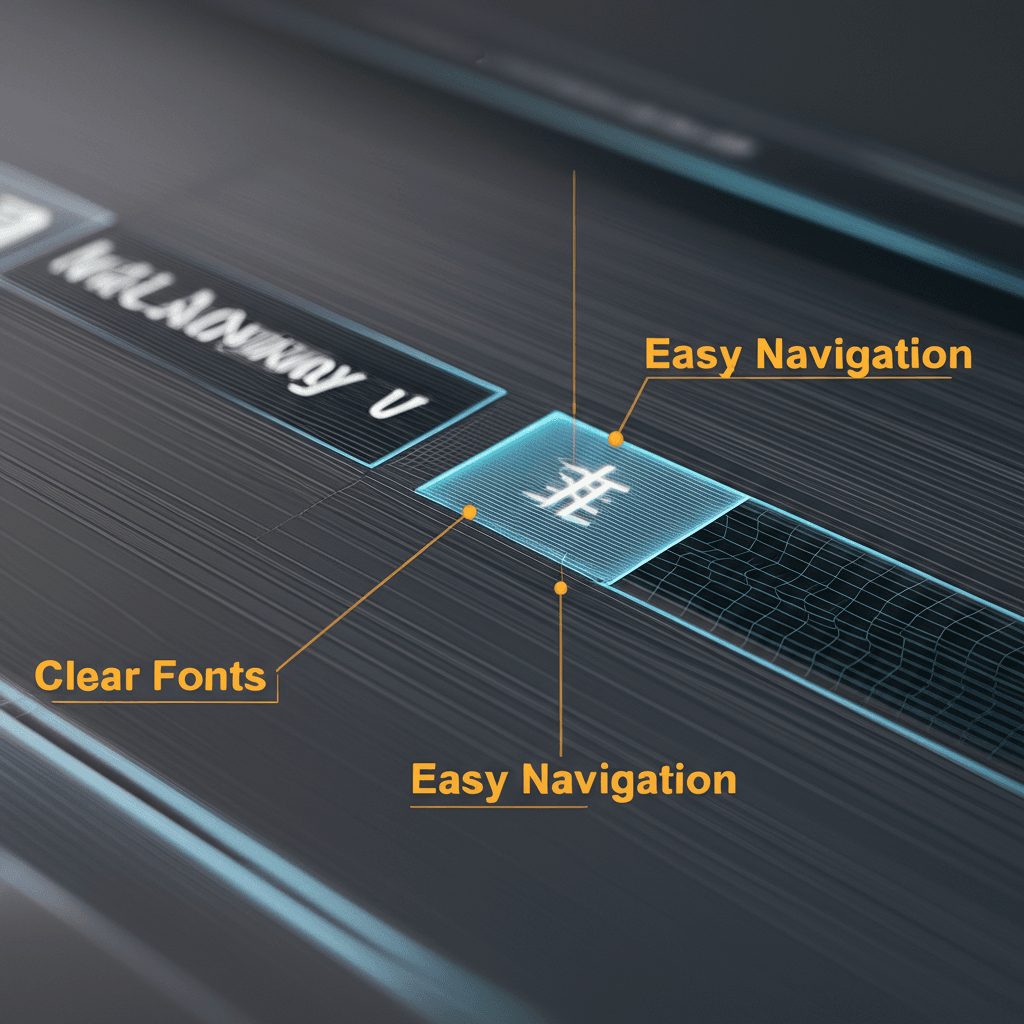
Seamless User Experience (UX): Can visitors easily find what they need? Your website’s navigation should be simple and clear in every language. It is also vital to use fonts that are easy to read for Sinhala and Tamil text. A confusing website will quickly lose potential customers.
Accessibility for Everyone: An inclusive website is one that everyone can use, including people with disabilities. This means your site should work with screen readers and have clear color contrast. Following these standards ensures you don’t exclude a large part of your audience. Performing regular WCAG compliance audits helps you serve every visitor equally.
When these four pillars work together, you create an experience that feels welcoming and effortless for every Sri Lankan user, driving better results for your business.
Case Studies: Sri Lankan Brands Winning with Inclusivity
Talking about inclusive design is one thing, but seeing it in action shows its true power. Several forward-thinking Sri Lankan brands already use trilingual websites to connect with a wider audience. They prove that designing for everyone is not just a nice idea—it’s a smart business strategy that leads to real growth.
From Banking to Retail: Real-World Examples
Consider a leading national bank. By offering its entire website in Sinhala, Tamil, and English, it ensures that every Sri Lankan can access financial services. A person in a village can apply for a loan in Sinhala, while a business owner in the north can manage their accounts in Tamil. This builds trust and removes barriers, opening the door to more customers across the island.
It’s the same story in e-commerce. A popular online fashion retailer provides product descriptions, size charts, and customer support in all three languages. This simple step makes the shopping experience smoother and more comfortable for everyone. Customers are more confident making a purchase, which leads to higher sales and fewer abandoned carts. This focus on the local market often includes offering localized payments to make checkout even easier.
These brands show that speaking your customer’s language is a sign of respect. It tells them, “We see you, and we value you.” This approach not only improves user experience but also strengthens brand loyalty. To truly serve every customer, businesses should also consider full accessibility upgrades, ensuring their site works for people with disabilities, too.
Your Action Plan for an Inclusive, High-Converting Website
Creating a website that welcomes everyone in Sri Lanka is a smart business move. An inclusive site can reach more customers and increase your sales. Here is a simple, step-by-step plan to get started.
1. Speak Your Audience’s Language
Many people in Sri Lanka prefer to use their native language online. Don’t limit your website to just English. Provide professional, high-quality translations for both Sinhala and Tamil. This simple step shows respect for your customers and builds trust, making them more likely to buy from you.
2. Prioritize Accessibility for All Users
A truly inclusive website is one that everyone can use, including people with disabilities. Make sure your site has clear, easy-to-read fonts and good color contrast. Add descriptive “alt text” to your images so that screen readers can describe them to visually impaired users. Making your site easy to navigate with a keyboard is also important. For businesses expanding overseas, regular WCAG compliance audits ensure you meet global standards.
3. Optimize for Local Conditions
Most Sri Lankans browse the web on mobile phones, often with varying internet speeds. Your website must be mobile-friendly and load quickly on any device. A slow website frustrates visitors and can hurt your search engine rankings. Focusing on technical performance by optimizing Core Web Vitals ensures a smooth experience for every user, no matter where they are.
4. Reflect Local Culture
Use images, colors, and content that feel authentic and familiar to a Sri Lankan audience. Represent the diversity of our country in your visuals. This helps potential customers see themselves in your brand. Also, offer payment options that are popular locally, such as FriMi, Sampath Vishwa, or cash on delivery, to make the checkout process seamless.
{“@context”:”https://schema.org”,”@type”:”FAQPage”,”mainEntity”:[{“@type”:”Question”,”name”:”What is the difference between translation and localization for a website?”,”acceptedAnswer”:{“@type”:”Answer”,”text”:”Translation is the process of converting text from one language to another. Localization is a more comprehensive process that adapts your entire websiteu2014including images, colors, date formats, and cultural referencesu2014to feel native to your target audience in Sri Lanka. For high conversion, localization is key.”}},{“@type”:”Question”,”name”:”Can I just use an automatic translation plugin for my WordPress site?”,”acceptedAnswer”:{“@type”:”Answer”,”text”:”While automatic translation plugins are a quick fix, they often produce inaccurate and unnatural-sounding text that can damage your brand’s credibility. For a professional website that aims to convert visitors, we strongly recommend professional human translation and localization services.”}},{“@type”:”Question”,”name”:”How does having a trilingual website affect my SEO in Sri Lanka?”,”acceptedAnswer”:{“@type”:”Answer”,”text”:”It has a significant positive impact. By implementing multilingual SEO techniques like ‘hreflang’ tags and using localized keywords, you can rank on Google for Sinhala, Tamil, and English search queries, drastically increasing your visibility and organic traffic from all major language groups in the country.”}}]}