Website Security for Ecommerce Sites in Gampaha: SSL + Beyond
The Foundation: Why SSL is Non-Negotiable for Gampaha Businesses
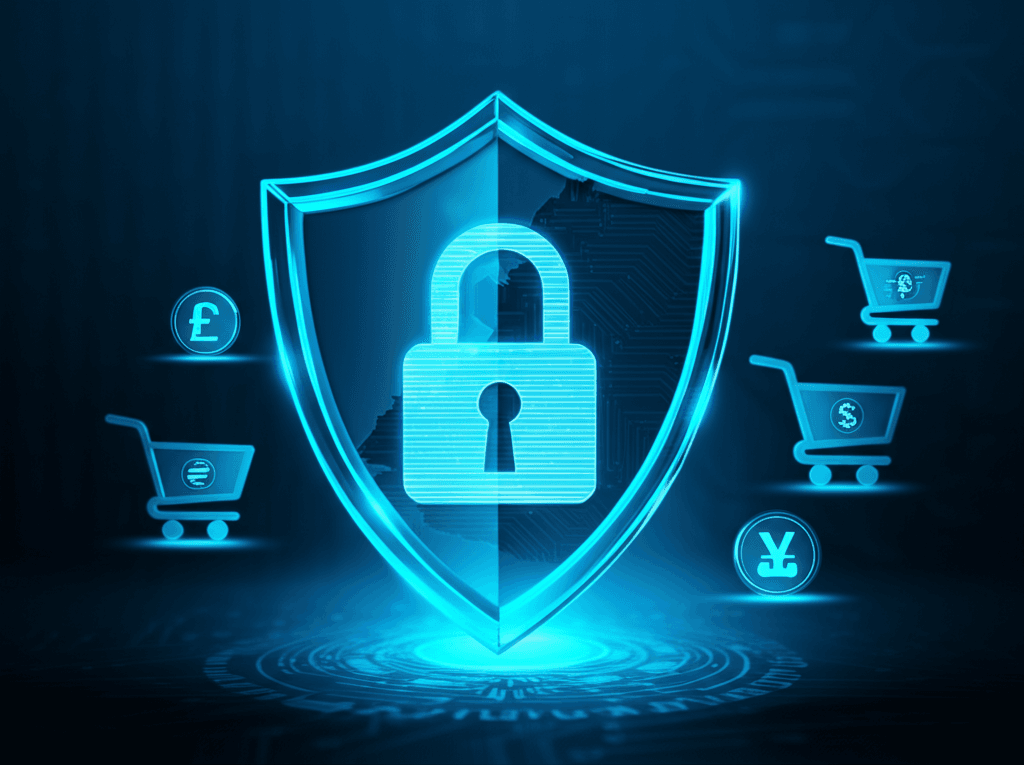
Imagine sending a postcard with your bank details written on it. Anyone along the way could read it. An e-commerce website without an SSL certificate is just like that. SSL, which stands for Secure Sockets Layer, is the digital padlock that protects your online store. It creates a secure, private connection between your customer’s browser and your website. For any business in Gampaha selling online, this is not just a feature—it is a fundamental requirement.
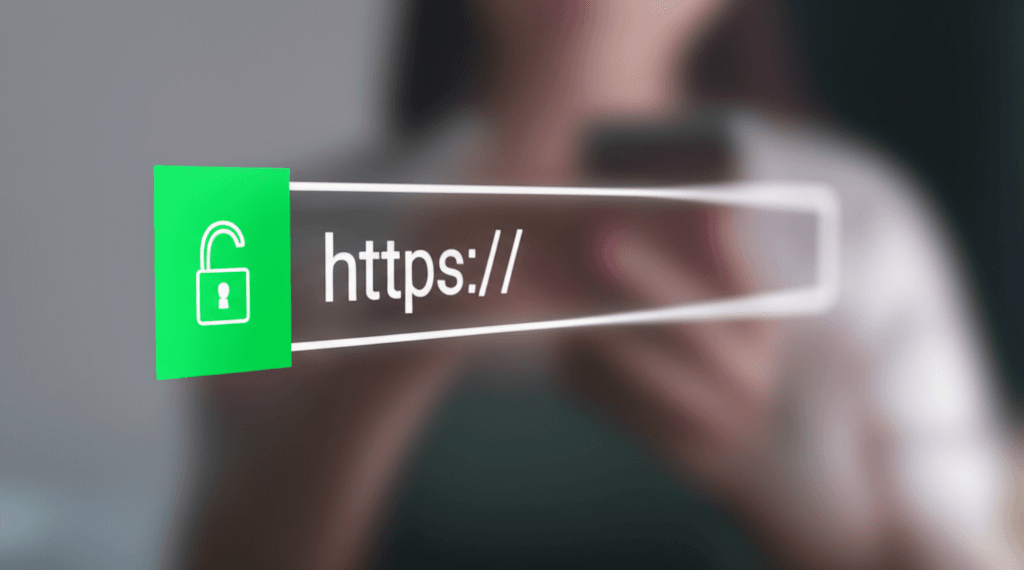
When customers visit your site, they look for two signs of safety: the padlock icon and “https://” in the address bar. This tells them your site can be trusted. Without it, they will hesitate to enter personal information or payment details. SSL encrypts this sensitive data, turning it into a secret code that hackers cannot read. This protection is crucial for handling localized payments for Sri Lankan DTC brands, as it secures every transaction and builds shopper confidence.
Google also wants to send users to safe websites. That is why having an SSL certificate helps your site rank higher in search results. A Gampaha business with SSL is more likely to be found by local customers than a competitor without it. Furthermore, modern web browsers like Chrome will display a large “Not Secure” warning on sites lacking SSL. This warning can scare away potential buyers before they even see your products.
In short, SSL is the foundation of your online store’s security. It protects your customers, builds trust, and helps your business succeed. Making sure your SSL certificate is always active and correctly installed should be part of any standard website maintenance package. Without it, your e-commerce site is leaving its doors wide open to trouble.
Beyond the Padlock: Essential Layers of Ecommerce Security
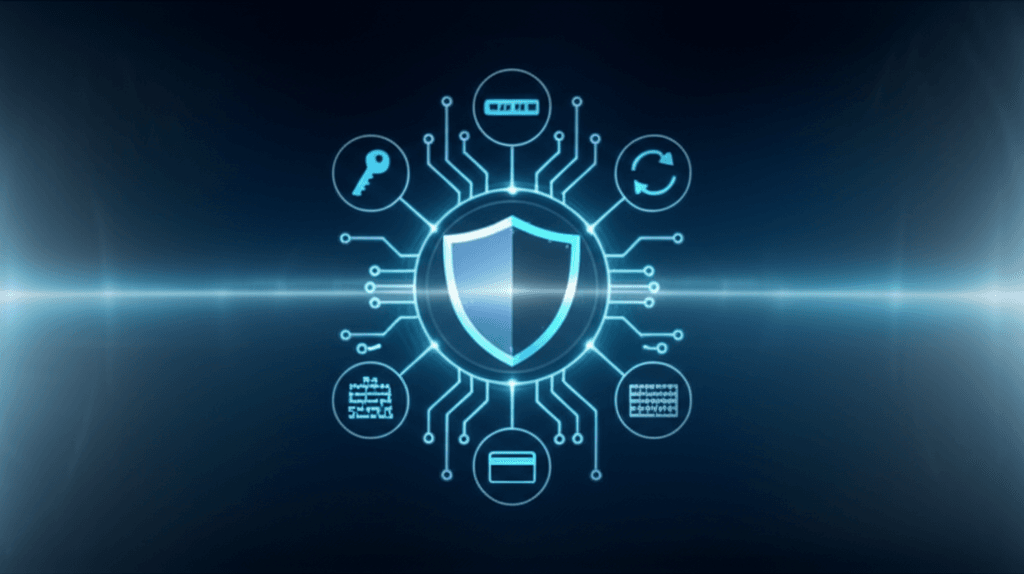
An SSL certificate is a great first step for any Gampaha e-commerce business. It gives your customers the secure padlock icon in their browser. But true website security requires more than just one lock. To protect your store and your customers’ data, you need multiple layers of defense.
Here are some essential security layers beyond SSL:
Regular Software Updates: One of the simplest yet most important tasks is keeping your website’s platform (like WordPress), themes, and plugins updated. Developers often release updates to patch security holes. Ignoring them is like leaving a window open for thieves.
Strong Access Control: Protect your website’s admin area with strong, unique passwords. Avoid easy-to-guess passwords and limit who has administrator access. The fewer people who can make major changes, the lower your risk.
Web Application Firewall (WAF): Think of a WAF as a security guard for your website. It stands between your site and incoming traffic, blocking malicious requests and bots before they can cause harm. This is a proactive way to stop many common attacks.
Secure Payment Processing: Your customers trust you with their financial information. Always use a reputable and secure payment gateway. These processors are designed to handle sensitive data safely. Integrating trusted localized payments for Sri Lankan DTC brands also helps build customer confidence.
Protecting your online store is an ongoing process. By combining these layers, you create a much stronger defense against threats. Regular security checks and updates are key, which is why professional maintenance packages are a wise investment for any serious e-commerce business.
Proactive Defense: Ongoing Monitoring and Maintenance
Having an SSL certificate is a great start, but website security is not a one-time setup. Think of it like your physical shop in Gampaha. You lock the doors at night (that’s your SSL), but you also need to make sure the building is strong and check for any potential problems. Ongoing maintenance is the key to keeping your online store safe from new threats that appear every day.
Here’s what proactive defense involves:
Regular Updates: Your website is built with software like WordPress, WooCommerce, and various plugins. Developers release updates to fix security weak spots they find. Applying these updates promptly is one of the most important things you can do to protect your site.
Security Scans: Just like a security patrol, regular malware scans check your website’s files for any suspicious code. Catching a problem early can prevent major damage to your business and your customers’ trust.
Consistent Backups: Imagine if your site was hacked and you lost all your product and customer data. Regular backups are your safety net. If anything goes wrong, you can quickly restore a clean version of your site and get back to business with minimal disruption.
This constant care ensures you are running a strong, scalable online business that customers can rely on. For busy store owners, managing these technical tasks can be a challenge. This is why many partner with web professionals who offer website maintenance packages. It gives you peace of mind knowing your digital storefront is always guarded.
Choosing Your Security Partner in Gampaha
Protecting your online store is a big job, and you don’t have to do it alone. Choosing the right web security partner in Gampaha is a crucial step for your business. This decision is not just about technical skills. It is about finding a team that understands your local business needs and can help you build trust with your customers.
So, what should you look for in a security partner?
Local Expertise: A partner familiar with the Sri Lankan market understands common challenges, from local payment gateways to customer behavior. They can offer solutions that work best for your Gampaha-based business.
Comprehensive Security Services: A good partner knows that security is more than just an SSL certificate. They should offer services like firewalls, malware scanning, regular backups, and software updates to provide complete protection.
Proactive Support: The best partners prevent problems before they happen. Look for a team that offers ongoing website maintenance packages. This ensures your site is constantly monitored and kept secure, giving you peace of mind.
A Strong Track Record: Ask to see their past work and client reviews. A reliable partner will have a portfolio of secure websites and happy clients who can speak to their skills and professionalism. Deciding between a freelancer or an agency often comes down to the scale and support you need.
By choosing the right partner, you can focus on what you do best—running your business. Let an expert handle your website’s security, so you can grow your e-commerce store with confidence.
{“@context”:”https://schema.org”,”@type”:”FAQPage”,”mainEntity”:[{“@type”:”Question”,”name”:”Why is website security so important for a small e-commerce store in Gampaha?”,”acceptedAnswer”:{“@type”:”Answer”,”text”:”Hackers often target small businesses, assuming they have weaker defenses. A single data breach can destroy customer trust and your reputation. Strong security is essential for any business, regardless of size, to protect customer data and ensure business continuity.”}},{“@type”:”Question”,”name”:”How do I know if my website has a valid SSL certificate?”,”acceptedAnswer”:{“@type”:”Answer”,”text”:”Check the address bar of your web browser when visiting your site. If you see a padlock icon and the URL begins with ‘https://’ (instead of just ‘http://’), your site is secured with SSL.”}},{“@type”:”Question”,”name”:”Isn’t an SSL certificate enough to secure my website?”,”acceptedAnswer”:{“@type”:”Answer”,”text”:”An SSL certificate is a crucial first step that encrypts data in transit, but it doesn’t protect your site from other vulnerabilities like malware, weak passwords, or outdated software. A comprehensive security strategy involves multiple layers of protection.”}}]}