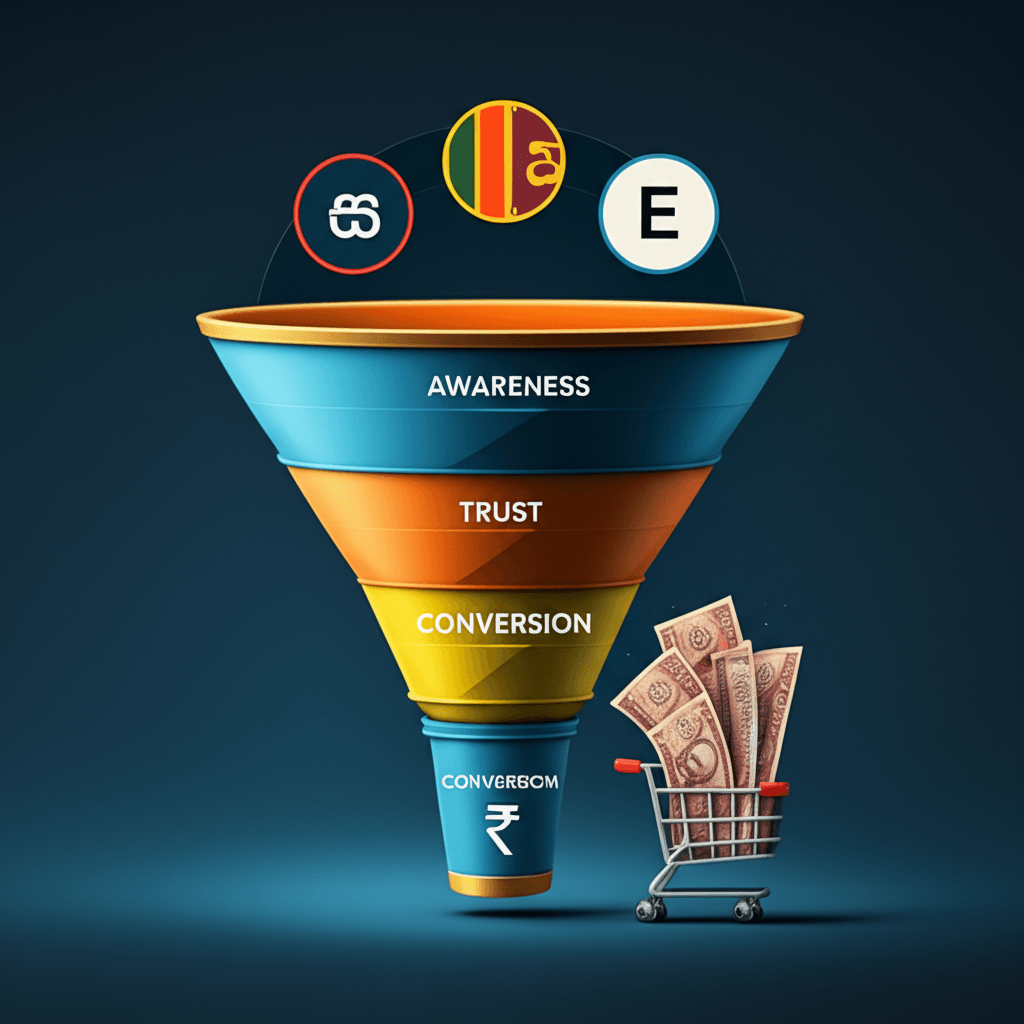
Inclusive Web Design Sri Lanka: Sinhala/Tamil/English Sites That Convert
Why Trilingual Design is Non-Negotiable for the Sri Lankan Market
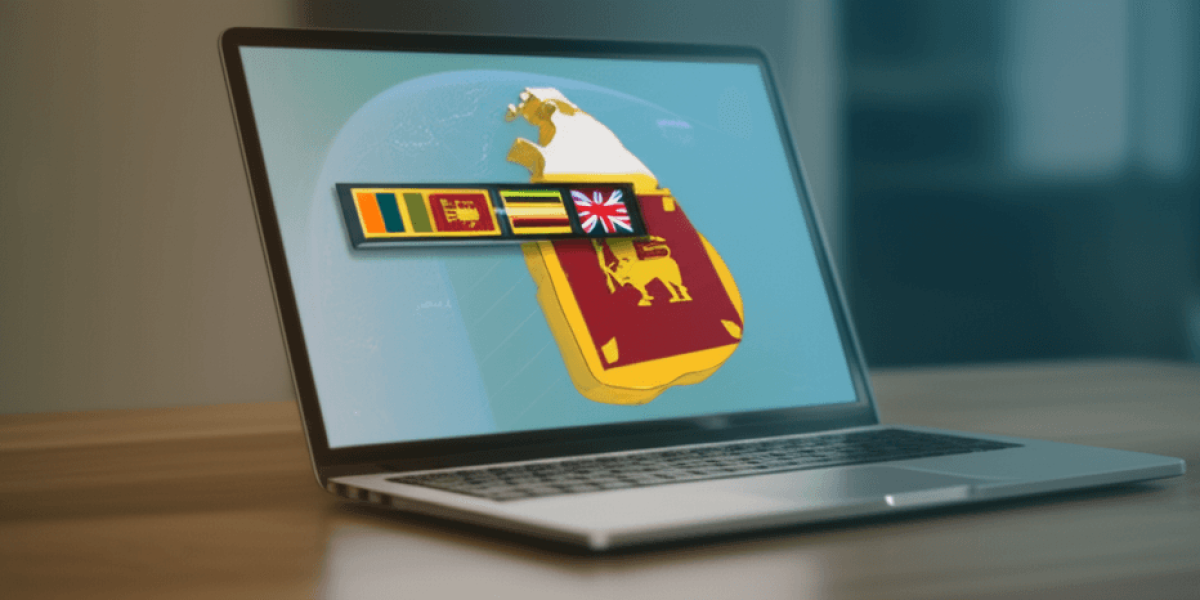
In Sri Lanka, a website that only speaks English ignores most of its potential customers. Our country is home to a rich mix of cultures, with Sinhala and Tamil as its official languages. While English is common in business, millions of Sri Lankans prefer to browse, shop, and read in their native tongue. An English-only approach leaves out a huge part of the market and fails to connect with the community.
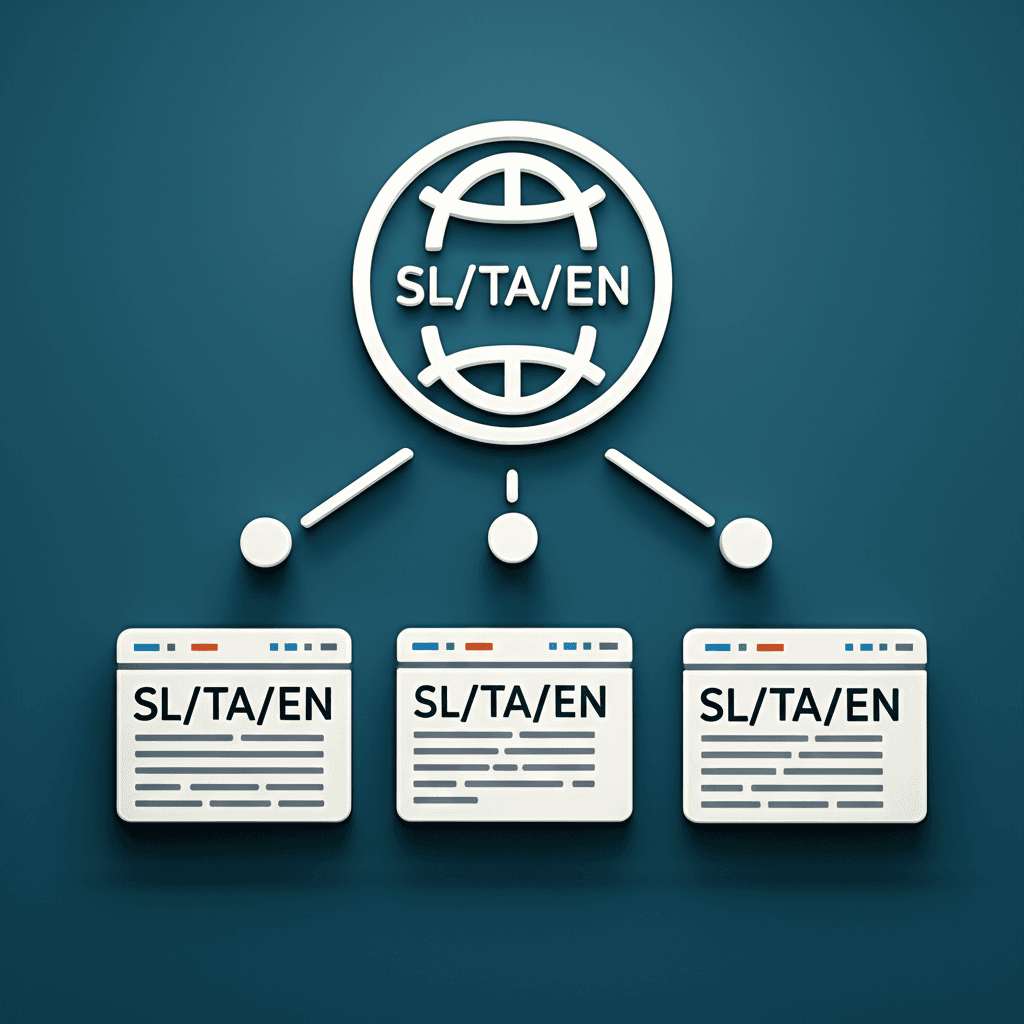
Choosing to build a trilingual website in Sinhala, Tamil, and English is not just about being inclusive. It is a smart business decision. When you speak your customer’s language, you build trust and show respect. This connection makes people more likely to choose your brand over a competitor’s. You instantly expand your reach to nearly every corner of the island, opening up new opportunities for growth.
A customer who fully understands your product descriptions and checkout process is a customer who is more likely to buy. Clear communication in their own language removes confusion and doubt, leading to higher conversion rates. For local businesses, providing information in all three languages is essential for building scalable WordPress portals that can serve the entire country effectively.
Ultimately, a trilingual website is a must-have for any business serious about succeeding in Sri Lanka. It shows you understand the local market. This approach works best when combined with other local-friendly features, such as offering localized payments for Sri Lankan brands. By meeting your customers where they are, you create a better user experience and pave the way for long-term success.
Beyond Translation: Nailing the UX for Sinhala and Tamil Scripts
Simply translating your website’s text is not enough to win over Sri Lankan audiences. To create a site that truly connects and converts, you must focus on the User Experience (UX) for Sinhala and Tamil speakers. A poor experience can frustrate users and cause them to leave, no matter how well your words are translated.
Fonts and Readability are Key
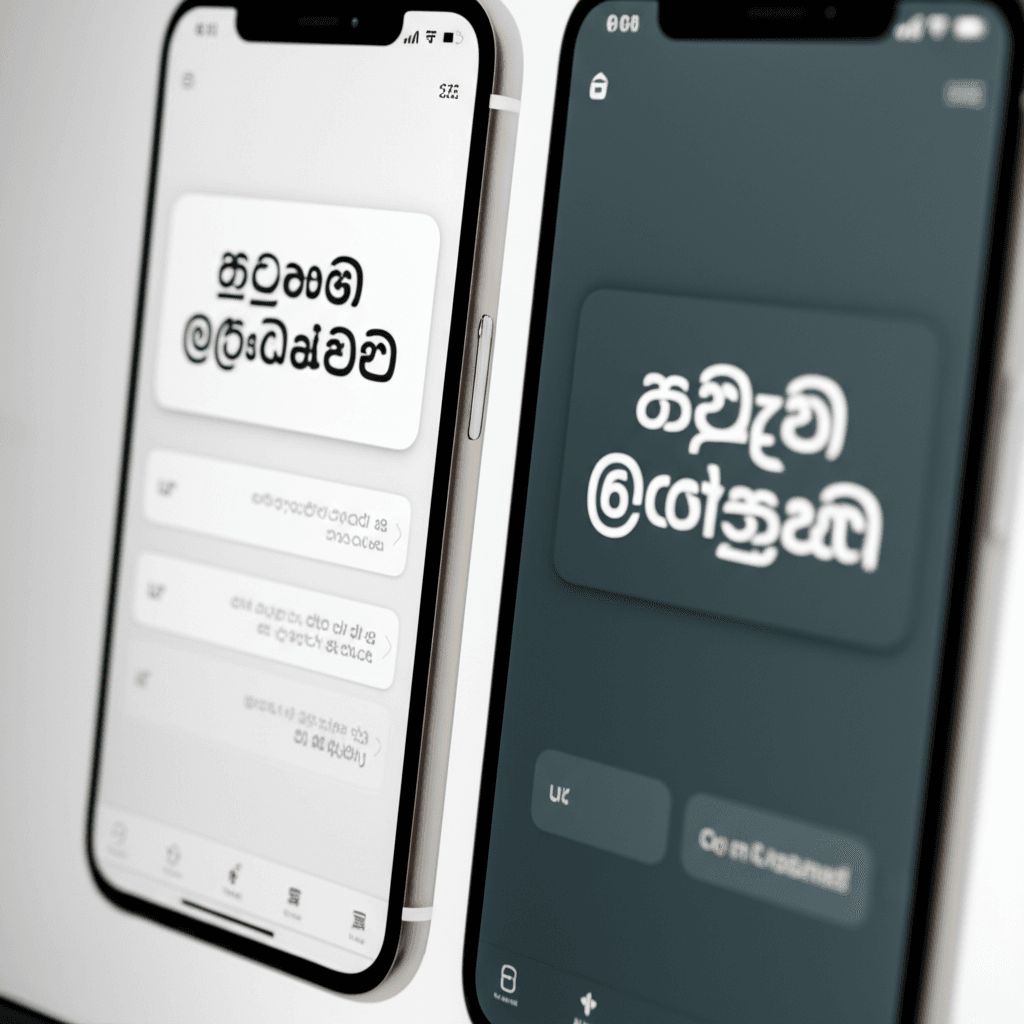
Sinhala and Tamil scripts have complex characters with unique curves and strokes. Using a standard English font can make them appear broken or unreadable. Choose web-safe fonts specifically designed for these languages, like Noto Sans Sinhala or Latha for Tamil. Ensure you adjust line height and font size to prevent text from looking cramped. This not only improves usability but is also a core part of making your site accessible to everyone, which is essential for WCAG compliance audits.
Design That Feels Natural
An effective design considers local user habits. This includes practical details that many businesses overlook:
Forms and Inputs: Can users type their names and addresses in their native script? Your contact forms and checkout fields must accept Sinhala and Tamil characters without errors.
Visuals and Imagery: Use images that reflect the diversity and culture of Sri Lanka. Seeing familiar faces and places helps build trust with your audience.
Button and Link Text: Translated call-to-action (CTA) text, like “මිලදී ගන්න” or “இப்போது வாங்கு,” can be longer than its English version. Your design must have flexible buttons that don’t break or look awkward.
By focusing on these details, you show respect for your users’ language and culture. This is crucial when building scalable WordPress portals designed to serve the entire Sri Lankan market effectively.
The Role of English: The ‘Bridge’ Language and Code-Switching
In Sri Lanka, offering your website in Sinhala and Tamil is a vital part of embracing inclusive web design. But we cannot forget the important role of English. It often acts as a ‘bridge’ language, connecting different communities across the island. English is widely used in business, higher education, and technology. For many Sri Lankans, it is the language of professional life and a window to the world.
This leads to a common practice called code-switching. This is when people mix English words into Sinhala or Tamil sentences. You hear it every day in phrases like “big discount eka” or “online order karanna.” This is not incorrect language; it is how many people communicate naturally and comfortably. Using this style in your website copy can make your brand feel more relatable and modern.
On your website, this means you don’t always have to translate every single word. For an e-commerce site, buttons like ‘Add to Cart’ or ‘Login’ are universally understood and often work better in English. Technical terms or brand names may also be clearer if left untranslated. The goal is to make the user’s journey smooth and easy, not to be overly strict with language rules.
By using English as a bridge and understanding code-switching, you show customers you get them. This approach is key for local success and essential for growth. For businesses aiming to sell products overseas, a solid English strategy is crucial for reaching global markets and keeping up with international e-commerce trends. It is a powerful tool for building a truly inclusive and high-converting website.
From Inclusivity to Conversions: A Practical Checklist
Making your website welcoming to everyone is not just a good idea—it is good for business. An inclusive website reaches more people, builds trust, and helps turn visitors into loyal customers. Here is a simple checklist to help you make your Sri Lankan website more inclusive and boost your sales.
Speak Their Language: Offer your website in Sinhala, Tamil, and English. A simple language switcher lets visitors choose what is most comfortable for them. This is the first step to making every potential customer feel welcome.
Keep It Simple: Use clear and simple words in all languages. Avoid technical jargon or complex sentences. Your message should be easy for everyone to understand, no matter their background or expertise.
Easy Navigation: Design your menus and buttons to be large, clear, and easy to tap. People should find what they need without getting frustrated. This is especially important for the growing number of users on mobile phones.
Show Everyone: Use images and videos that reflect the diversity of Sri Lanka. When people see themselves in your brand, they are more likely to connect with it. Also, add text descriptions (alt text) to your images. This helps visually impaired users and is a key part of any accessibility upgrade.
Offer Local Payments: Not everyone uses a credit card. Including localized payments like FriMi, EZ Cash, or bank transfers makes it easier for more Sri Lankans to buy from you. This simple step can greatly increase your checkout conversions.
Make Forms Friendly: Keep your contact and checkout forms short and simple. Only ask for the information you truly need. Clear labels and helpful error messages prevent users from giving up.
{“@context”:”https://schema.org”,”@type”:”FAQPage”,”mainEntity”:[{“@type”:”Question”,”name”:”What is inclusive web design in the Sri Lankan context?”,”acceptedAnswer”:{“@type”:”Answer”,”text”:”In Sri Lanka, inclusive web design means creating websites that are fully accessible and usable by the entire population by providing native-level support for Sinhala, Tamil, and English. This extends beyond simple translation to include culturally appropriate visuals, localized user experiences, and readable typography for all scripts.”}},{“@type”:”Question”,”name”:”Why is a trilingual website crucial for business conversions in Sri Lanka?”,”acceptedAnswer”:{“@type”:”Answer”,”text”:”A large percentage of the Sri Lankan online audience prefers to browse and conduct transactions in their native language, either Sinhala or Tamil. By providing a trilingual experience, you build trust, improve communication, and reduce friction in the user journey, which directly leads to higher engagement, lower bounce rates, and increased conversions.”}},{“@type”:”Question”,”name”:”What are the main technical challenges for Sinhala and Tamil web fonts?”,”acceptedAnswer”:{“@type”:”Answer”,”text”:”The primary challenges are ensuring font compatibility and readability across all devices and browsers. It’s crucial to use modern, Unicode-compliant web fonts that render all complex characters and vowel signs correctly. Poor font choice can lead to unreadable text, which destroys user experience and credibility.”}}]}