





Sri Lanka’s Apparel Sector Embraces the AI Revolution
Sri Lanka’s world-renowned apparel industry is stepping into the future. Companies are now using artificial intelligence (AI) to make smarter decisions and improve how they work. This change brings both exciting growth and serious challenges for the workforce.
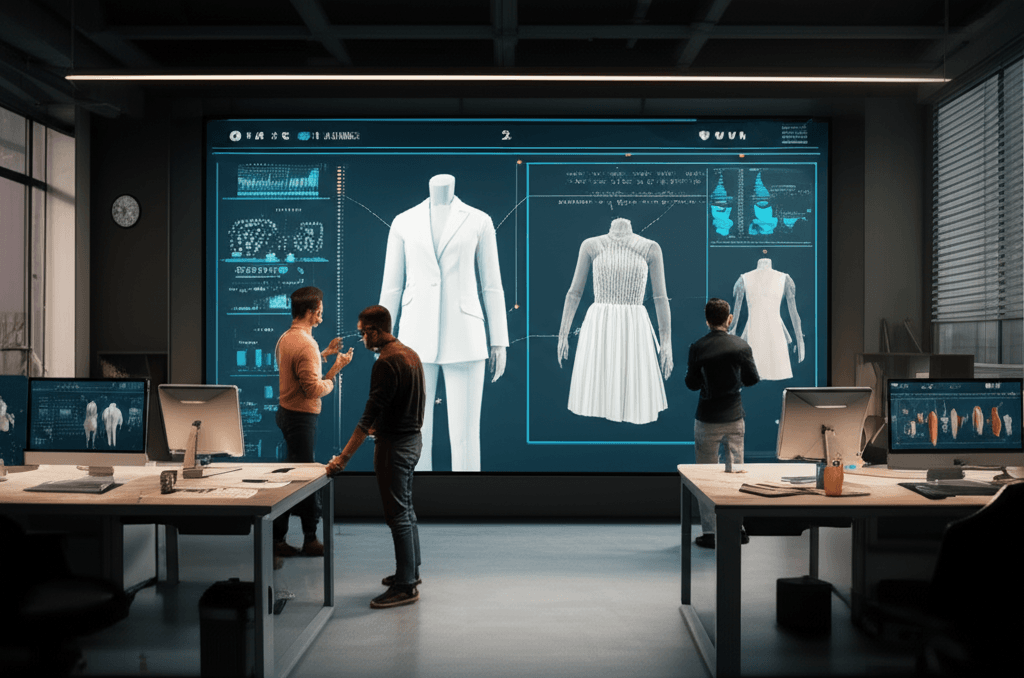
On one hand, AI is causing an export boom. Garment factories use predictive AI to forecast fashion trends months in advance. This means they produce clothes that people actually want to buy, which reduces waste and boosts profits. AI also helps manage supply chains more efficiently, ensuring materials arrive on time. This makes Sri Lankan companies more competitive on the global stage, leading to higher earnings from exports.
On the other hand, this progress comes at a cost for some workers. As AI and automation become common, routine factory jobs are declining. Tasks that were once done by hand, like cutting fabric and simple sewing, are now handled by machines. This has led to fewer jobs for workers who perform these repetitive tasks, creating uncertainty for a large part of the industry’s labour force.
This situation highlights AI’s double-edged impact on the job market. While traditional roles are disappearing, new, higher-skilled jobs are emerging. There is a growing need for people who can manage AI systems, analyze data, and maintain advanced machinery. The key challenge for Sri Lanka is to retrain its workforce for these new roles, ensuring that everyone can benefit from the AI revolution.
The Human Cost: Job Displacement on the Factory Floor
While Sri Lanka’s apparel exports are reaching new heights, this success has a downside. The same AI technology that boosts efficiency is also changing the factory floor. For many workers, this progress means their jobs are at risk. This is the human cost of automation.

For decades, the apparel industry relied on thousands of workers for routine tasks. These jobs included cutting fabric, stitching patterns, and checking garments for quality. Now, smart machines and AI systems can perform these tasks faster and more accurately. As factories adopt this new technology, they need fewer people. Many of those losing their jobs are women who have been the backbone of the industry for years.
The biggest challenge for these workers is finding new employment. Their skills are often specific to factory work that is now becoming automated. Without new training, it is difficult for them to switch careers. This creates a growing gap in the job market. While some jobs are disappearing, new high-skill roles are being created in the tech sector. This shows AI’s double edge, where progress for some means job loss for others. The challenge for Sri Lanka is to support its displaced workers so they are not left behind by this technological shift.
From Stitching to Data Science: The Evolving Skillset
The skills needed in Sri Lanka’s apparel industry are changing fast. For many years, the most important skill was operating a sewing machine. Now, as factories use more technology, the demand for new talents is growing. This shift moves jobs from the factory floor to the computer screen.
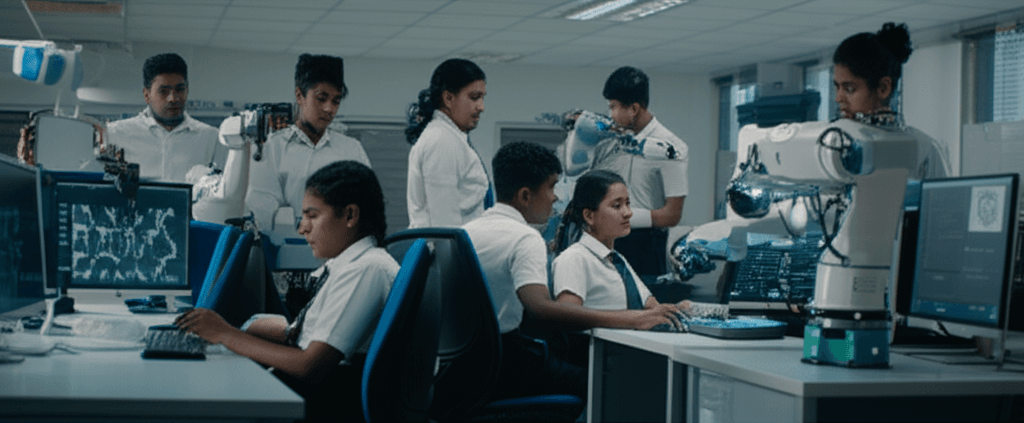
Routine tasks like cutting fabric and stitching are slowly being done by smart machines. This means fewer jobs for traditional machine operators. At the same time, it opens doors for people with tech skills. Companies now need workers who can understand and manage the data that powers this new technology. This represents a major change for the country’s workforce.
The new jobs are in fields like data analysis, supply chain logistics, and e-commerce management. Data analysts look at information from AI systems to help predict future fashion trends. These new positions require training in computers and data science, not sewing. This reflects a broader trend where technology presents AI’s double edge: creating new high-skill roles while replacing others.
E-commerce is also a major growth area. As Sri Lankan brands sell directly to customers online, they need people who understand digital marketing. They must manage online stores and use technology to improve the shopping experience. For example, knowing how AI personalization boosts online sales is now a valuable skill. To stay competitive, both the industry and its workers must adapt and learn these new digital skills.
A Blueprint for a Balanced Future: Policy and Strategy
Sri Lanka’s apparel industry is growing fast with the help of new technology. But this progress has a downside: many routine factory jobs are disappearing. To ensure this change benefits everyone, the country needs a clear plan. A smart strategy can balance the power of AI with the needs of the workforce.

First, education and retraining are key. Workers whose jobs are replaced by machines need new skills for the modern economy. Government and private companies can create training programs focused on digital literacy, AI system maintenance, and quality control. This approach helps people move from low-skill tasks to better-paying roles. This situation shows AI’s double edge, where job losses can lead to the creation of new high-skill opportunities.
Second, we must support small and medium-sized enterprises (SMEs). These smaller businesses are vital for creating jobs. By helping them use technology, they can grow and hire more people. For instance, providing them with tools and training for online sales can help Sri Lankan SMBs export their products internationally, opening up new markets and creating diverse jobs beyond the factory floor.
Finally, social safety nets are important. These are programs that give temporary help to workers while they train or look for new jobs. This support ensures families can stay stable during this economic shift.
By focusing on skills, supporting small businesses, and protecting workers, Sri Lanka can build a balanced future. The goal is to use AI to create prosperity that is shared by all citizens.
- Textile industry in Sri Lanka (Source: Wikipedia)
- Latest News & Export Performance Reports (Source: Joint Apparel Association Forum – JAAF, Sri Lanka)
- The Future of Work in the Garment Sector (Source: International Labour Organization)
- Revamping fashion S&OP: How AI can build a better model (Source: McKinsey & Company)