




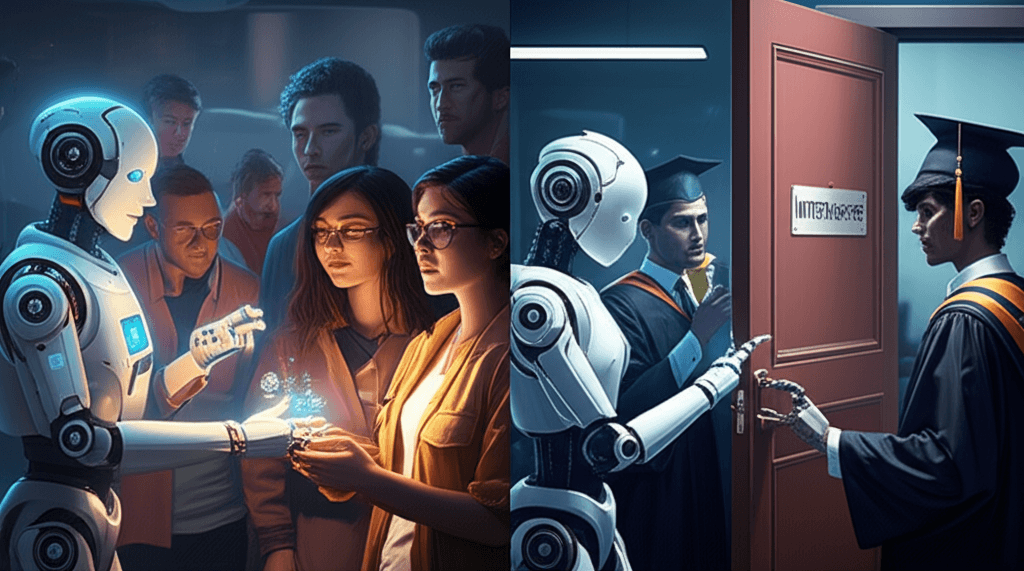
The AI Revolution in HR: A Cure for Youth Unemployment?
Artificial intelligence (AI) is changing how companies hire people, especially in the IT world. Many see this as a way to solve youth unemployment. AI tools can find talented young people who might be overlooked by human recruiters. However, this new technology has a downside that is hitting students and new graduates hard.
On one hand, AI hiring systems can be a great help. They focus purely on skills. An AI can scan thousands of applications and find a young coder with amazing skills, even if they have no formal work experience. It can look at their online projects, test scores, and certifications from programs like the free IT courses offered by Cisco. This process removes bias and gives skilled youth a direct path to good full-time jobs. For many, this looks like the perfect answer to getting young people into the workforce.
On the other hand, AI is also taking over the very jobs that used to be the first step into a tech career: internships. Basic coding, testing, and data entry tasks were perfect for interns. Now, companies use AI to do this work faster and cheaper. As a result, graduate coding internships are becoming rare. This leaves students without a way to get valuable real-world experience before they graduate.
This situation shows AI’s double edge. While it opens doors for some, it closes the traditional entry-level path for others. The challenge for the next generation of IT professionals is to build practical skills and strong portfolios to prove their worth to these new AI gatekeepers.
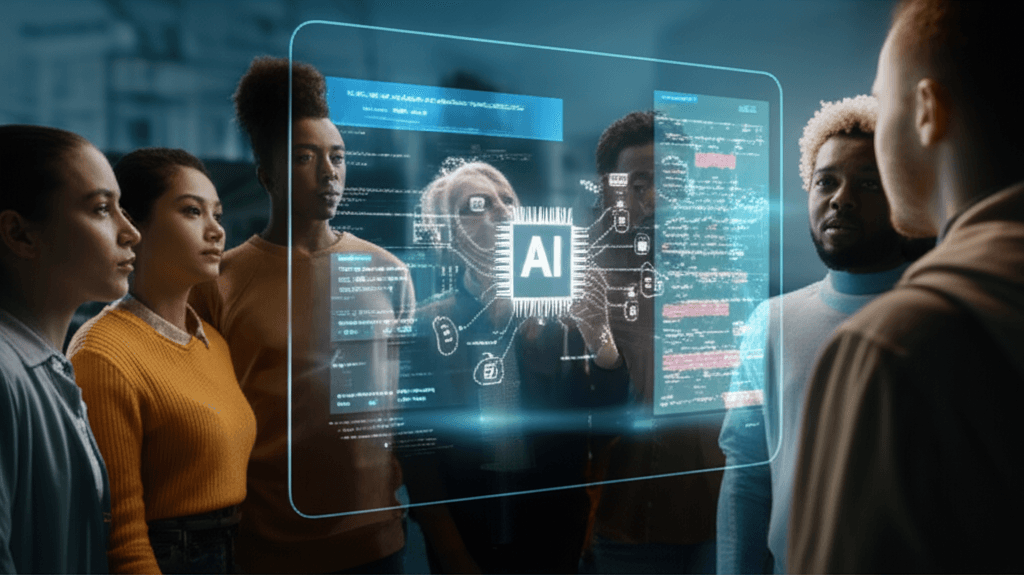
The Internship Squeeze: An Unintended Consequence
While AI-driven recruitment is a major victory against youth unemployment, it has created an unexpected problem. The traditional coding internship, long seen as a vital first step into the IT industry, is quickly disappearing. This change is creating a difficult situation for university students and recent graduates across Sri Lanka.

In the past, companies used internships to evaluate new talent on simple, entry-level tasks. It was a low-risk way to see if a student had potential. Now, AI can automate many of those basic coding and testing jobs. Advanced AI screening tools can also analyze a graduate’s skills so accurately that companies feel confident hiring them directly for junior roles, skipping the internship period entirely.
However, this new efficiency removes a crucial learning stage. Internships were never just about coding. They were the place where students learned to work in a team, communicate with project managers, and handle real-world deadlines. This hands-on experience is something a classroom cannot teach. This situation highlights AI’s double edge; as it creates new efficiencies, it also removes valuable training opportunities.
Without internships, the industry risks creating a gap between academic knowledge and practical workplace skills. While new hires may be technically proficient, they may lack the experience needed to contribute effectively from day one. This squeeze on internships could become a major challenge for building a well-rounded IT workforce in the future.
Adapting to the New Normal: Skills for the Post-Internship Era
The traditional path to an IT career is changing. With AI handling basic coding, companies no longer rely on interns for simple tasks. This means young professionals must build skills that AI cannot easily replace. The focus has shifted from just writing code to solving complex problems and adding real business value.

So, what skills should you focus on? First, learn to work with AI, not against it. This means understanding how to use AI tools to build better software, automate repetitive work, and analyze data. Mastering these tools is a key part of the new high-skill roles emerging in Sri Lanka’s IT sector. Instead of just coding, you will be guiding AI systems to create powerful solutions.
Soft skills are also more important than ever. An AI can generate code, but it cannot lead a team meeting, understand a client’s concerns, or think creatively to solve a unique challenge. Strong communication, teamwork, and critical thinking will make you stand out. These human-centric skills are vital as every field, including the web design industry, adapts to the age of AI.
Finally, consider specializing in a niche area. Fields like cybersecurity, data science, and advanced cloud infrastructure require deep expertise. By becoming an expert in a specific domain, you offer value that goes far beyond what a general AI tool can provide. The future belongs to those who can adapt, learn continuously, and combine human creativity with artificial intelligence.
The Future of Entry-Level Tech: Evolving Roles and Opportunities
The traditional path into the tech industry is changing fast. For years, a coding internship was the first step for a graduate. But with AI now able to write basic code and run simple tests, this entry point is shrinking. Companies no longer need large teams of junior coders for routine tasks. This means the nature of entry-level jobs must evolve.
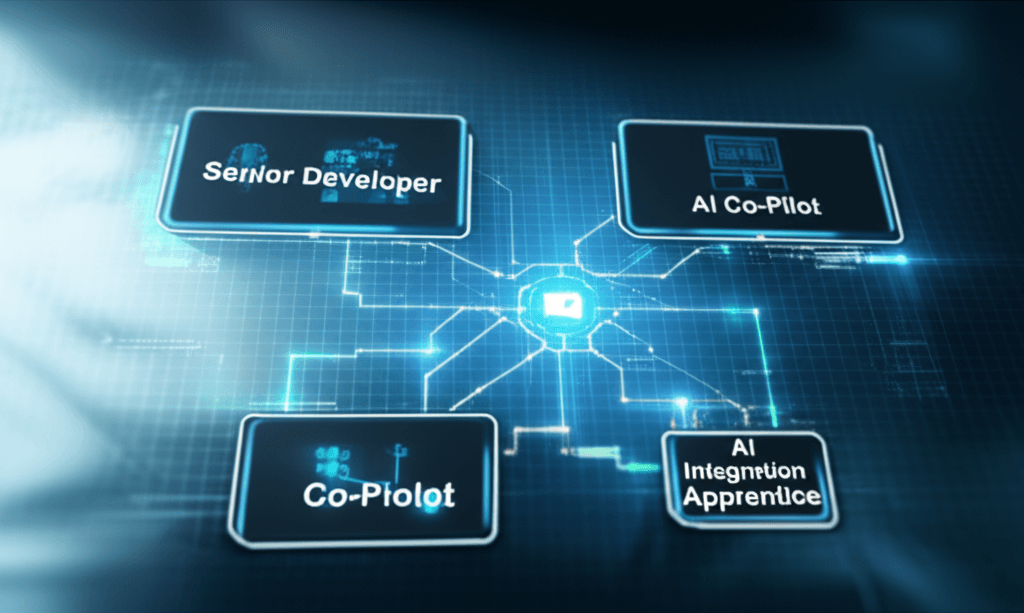
Instead of replacing humans, this shift is creating different kinds of opportunities. The focus is moving from writing simple code to solving complex problems. New roles will require a mix of technical knowledge and strong creative thinking. For example, an entry-level professional might specialize in using AI tools to build better systems. This could involve prompt engineering, where you learn how to give AI the perfect instructions to get the best results.
Future tech careers will be built on skills that AI cannot easily replicate. These include critical thinking, project management, and client communication. There will be high demand for people who can customize AI for specific business needs, such as creating AI-powered personalization for e-commerce stores. This is a double-edged sword, as it removes some jobs while creating new high-skill roles for those who adapt.
For young people entering the IT field, the message is clear. Continuous learning and adaptability are essential. The goal is not to compete with AI, but to learn how to use it as a powerful tool to build innovative solutions and drive business growth.
References
- “Your Guide to AI-Powered Recruiting Tools”, Harvard Business Review. – An analysis of how AI is being implemented in the hiring process, its benefits, and its potential pitfalls.
- “Tech’s internship crunch is leaving computer science students in the lurch”, TechCrunch. – Discusses the challenges and decreased availability of traditional internships for students in the tech sector.
- “The Future of Jobs Report 2023”, World Economic Forum. – A comprehensive report on global employment trends, including the growing importance of skills-based hiring over traditional credentials.
- “Algorithmic bias”, Wikipedia. – Provides background on how automated systems, including those used in recruitment, can create or perpetuate systematic biases.