



The Global Promise: AI as a Diagnostic Game-Changer
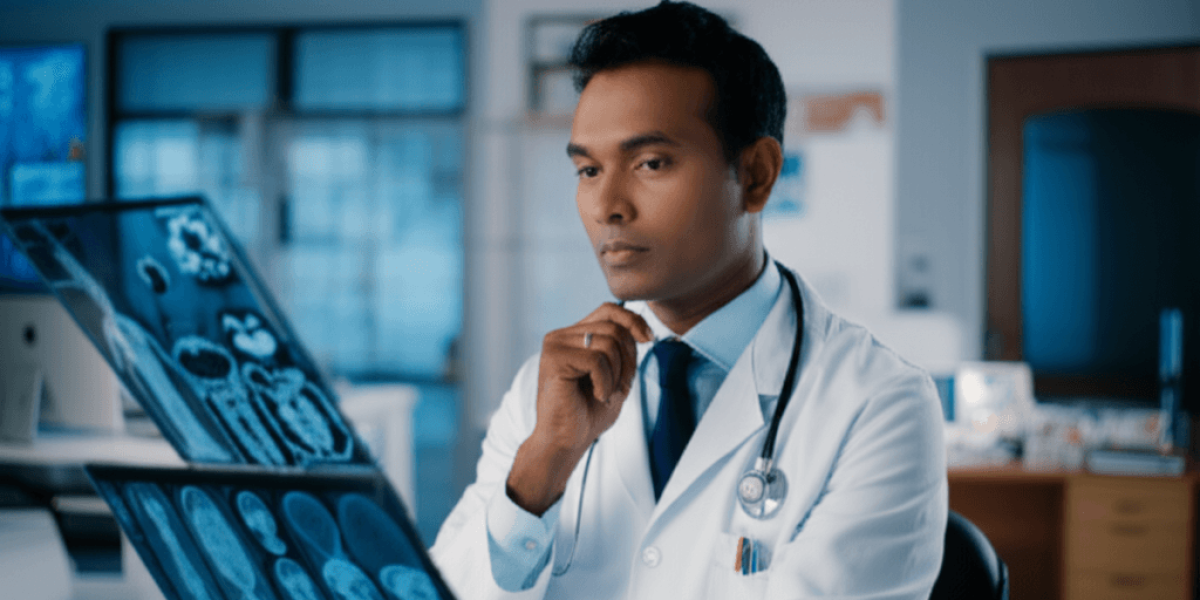
Around the world, Artificial Intelligence (AI) is changing the face of healthcare. It acts like a super-smart assistant for doctors, helping them diagnose diseases faster and more accurately. Think of AI as a powerful set of eyes that can look at medical scans, like X-rays and MRIs, and see things the human eye might miss. This technology can analyze huge amounts of data in seconds, a task that would take a person hours or even days.
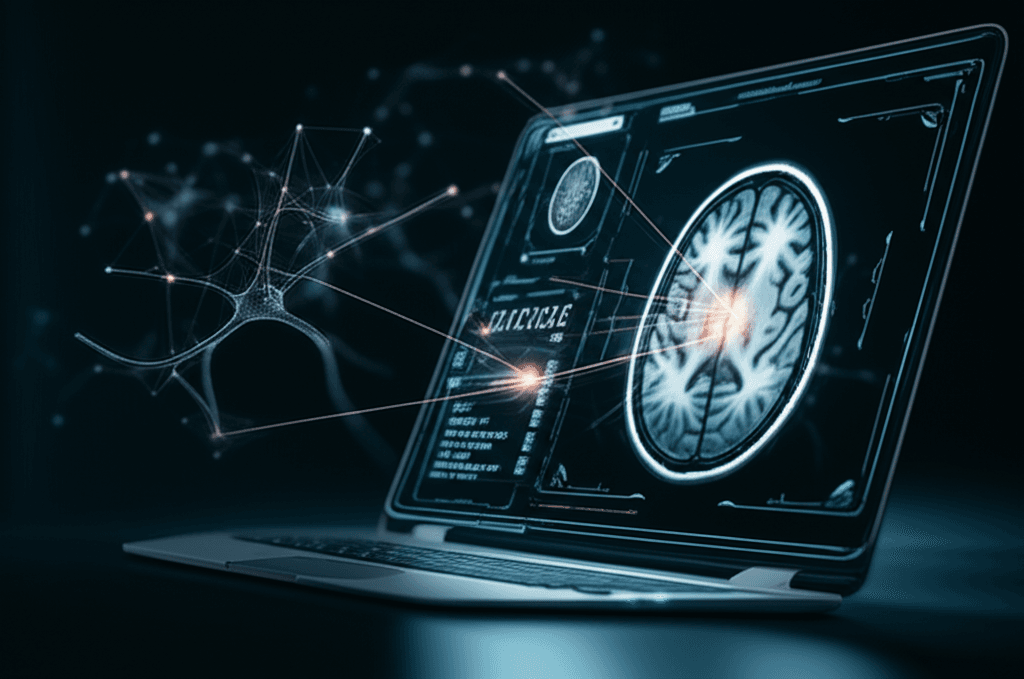
This new ability is a major breakthrough. For example, AI algorithms can spot early signs of cancer on a mammogram or detect diabetic retinopathy, an eye disease, from a simple retina scan. By finding these problems early, patients can get treatment sooner, which often leads to better outcomes. The goal is not to replace doctors but to give them better tools to make informed decisions. This support helps reduce human error and lets medical staff focus more on patient care.
One of the biggest benefits of AI is its power to reach remote areas. A small clinic in a village may not have a specialist radiologist. However, with an AI system, a local doctor can get an expert-level analysis of a scan almost instantly. This technology makes advanced diagnostic care more accessible to everyone, no matter where they live. Developing these kinds of AI solutions for healthcare requires special skills and knowledge.
This global revolution in diagnostics is now arriving in Sri Lanka, bringing with it the promise of a healthier future. As local hospitals begin to adopt these tools, it marks an exciting step forward in modern medicine. The potential for AI development in Sri Lanka is huge, but integrating this new technology into existing workflows presents its own set of challenges for local doctors.
AI’s Arrival in Sri Lanka: High Hopes Meet Reality
Artificial intelligence (AI) is entering Sri Lanka’s healthcare system with great promise. Many hoped it would change how doctors find and treat diseases. In some ways, it has. AI tools are now helping to revolutionize medical diagnostics, making them faster and more accurate.
For example, new AI software can look at X-rays and CT scans. It can spot tiny signs of diseases like cancer or tuberculosis that a human eye might miss. This technology is a huge help, especially in rural hospitals where there are fewer specialist doctors. It allows for earlier detection, which can save lives. This progress shows the potential of creating specific AI for healthcare solutions tailored to local needs. Patients can get a diagnosis faster, which means treatment can start sooner.
However, the reality for doctors on the ground is more complex. While AI offers powerful tools, it also brings new challenges to their daily work. Many doctors face disruptions to their established routines. First, using these new AI systems requires special training. Busy doctors must find time to learn how to operate the software and understand its results.
Furthermore, these new technologies do not always connect smoothly with the hospital’s existing computer systems. This can mean doctors have to switch between different programs, which slows down their workflow instead of speeding it up. There is also the challenge of trust. Doctors must learn when to rely on the AI’s suggestion and when their own experience tells them to look deeper.
In conclusion, while AI is bringing powerful diagnostic tools to Sri Lanka, its success depends on more than just the technology itself. For AI to truly help, hospitals must provide proper training, ensure new systems work well with old ones, and support doctors as they adapt to this new way of working.
The Workflow Crisis: Where Technology Clashes with Practice
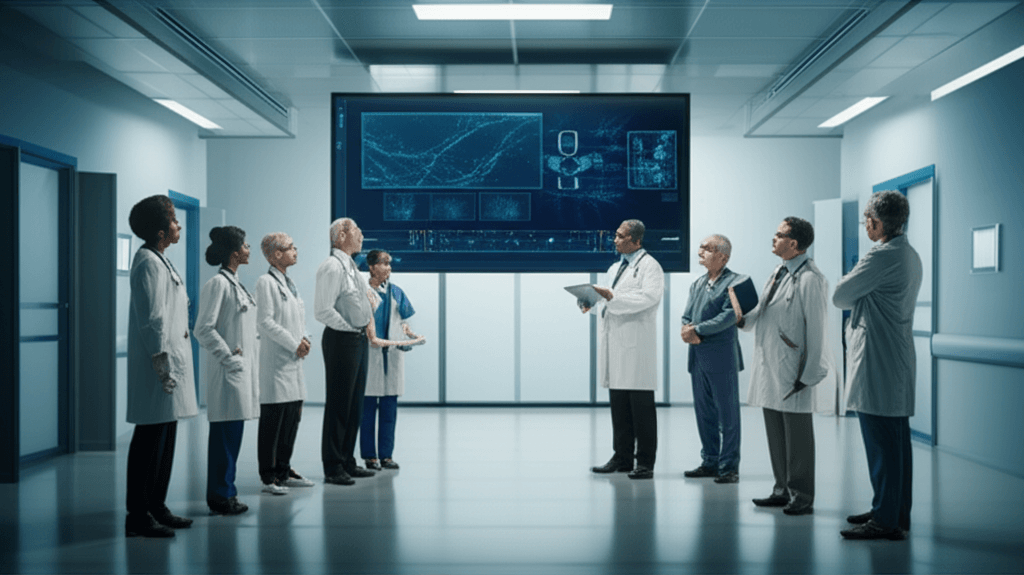
Artificial intelligence promises to make medical diagnosis faster and more accurate. These powerful tools can spot diseases in scans and tests that a human eye might miss. However, for many doctors in Sri Lanka, this new technology is creating unexpected problems in their daily routines. The dream of a high-tech assistant is clashing with the reality of a busy clinic.
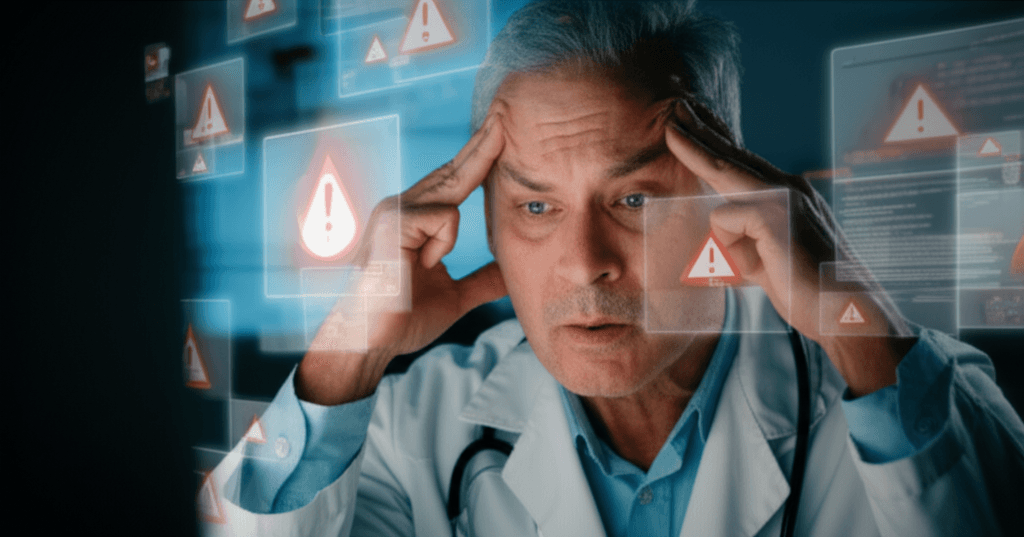
A major issue is that new AI software often stands alone. It does not connect with the hospital’s existing patient record systems. This forces doctors and nurses to juggle multiple programs at once. They may have to manually enter the same patient information into different systems, which wastes valuable time that could be spent with patients. Instead of speeding up the process, these disconnected tools can create digital roadblocks and add extra steps to a doctor’s workload.
Furthermore, doctors are medical experts, not IT specialists. Without good training, using a complex AI program can be confusing and slow. This challenge highlights how new technology demands new skills and adaptation from professionals in every field. Doctors also feel a great responsibility to their patients. They cannot simply trust a machine’s output without checking it first. This means they must review the AI’s analysis, adding another task to their workflow.
To truly revolutionize diagnostics, AI for healthcare must be designed for the people who use it. The technology needs to fit smoothly into the way clinics already operate. Without this focus on a seamless workflow, even the smartest AI can become more of a burden than a breakthrough.
Bridging the Gap: A Roadmap for Seamless AI Integration
Artificial intelligence offers great promise for diagnosing diseases faster and more accurately. However, for Sri Lankan doctors, new AI tools can sometimes feel like a burden instead of a help. When these tools don’t fit into the daily hospital routine, they can slow doctors down. To fix this, we need a clear plan to make AI a true partner in patient care.
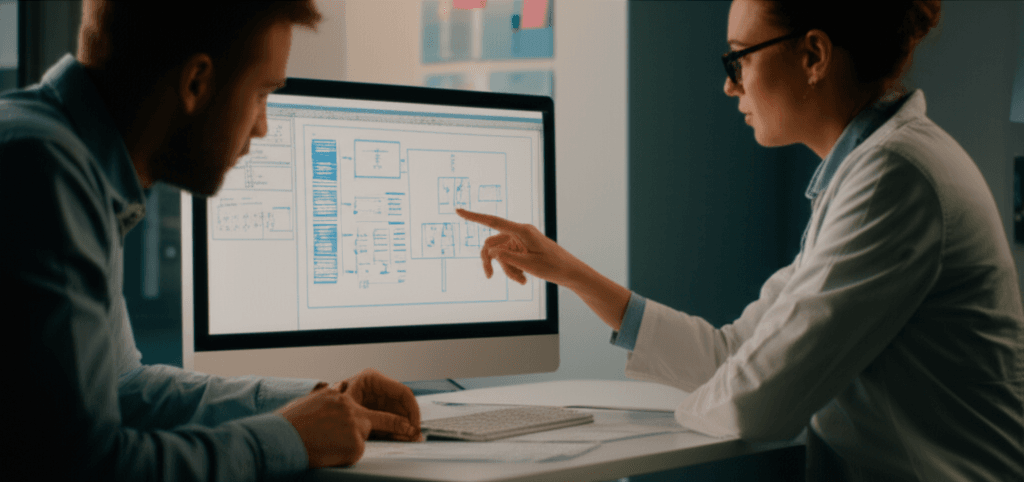
Creating a smooth transition requires a thoughtful approach. Here is a simple roadmap for hospitals and tech developers in Sri Lanka to follow:
1. Involve Doctors from Day One
Software creators must work closely with doctors and nurses. By understanding their real-world needs, they can build tools that are easy to use and solve actual problems. The goal is to create practical AI solutions for healthcare that fit perfectly into a doctor’s workflow, rather than disrupting it.
2. Provide Solid Training and Support
It is not enough to just install new software. Hospitals must offer hands-on training for all staff. This helps everyone feel confident using the new technology. Ongoing technical support is also key for answering questions and fixing issues quickly.
3. Start Small and Scale Up
Instead of changing everything at once, it is better to test AI tools in one department first. This allows the hospital to find and fix any problems on a small scale. Once the system works well, it can be introduced to other areas of the hospital.
4. Focus on Seamless Integration
New AI programs must connect with existing hospital systems, like electronic health records. If a doctor has to log into multiple different systems, it wastes valuable time. A single, connected platform makes the process much more efficient and encourages doctors to use the new tools.
References
- Ethics and governance of artificial intelligence for health – World Health Organization (WHO). A comprehensive report detailing the principles and challenges of implementing AI responsibly in global health systems.
- A guide to deep learning in healthcare – Nature Medicine. An academic review explaining the technical underpinnings of AI in diagnostics and outlining its potential and current limitations.
- Why clinical workflow is key to AI’s success in healthcare – Healthcare IT News. An industry article that explores the practical, real-world challenges of integrating AI tools into existing hospital and clinical workflows.
- Artificial intelligence in healthcare – Wikipedia. A broad, accessible overview of the various applications of AI in medicine, including diagnostics, drug discovery, and patient management.