Best Ecommerce Websites Sri Lanka 2026 for Gampaha
Have you ever scrolled through a slick online store and thought, “I could do that for my own business here in Gampaha”? It’s a common thought. And honestly? You absolutely can, but the path isn’t always obvious.
I’ve seen so many local business owners get stuck choosing a platform. They see the big names but don’t know what works on the ground, right here in Sri Lanka. I think WooCommerce is the best tool for the job, but it’s not just about installing it. It’s about knowing how to integrate it with local payment gateways like PayHere and figuring out a delivery system that actually works for the unique logistics of the Gampaha district, from Negombo down to Kiribathgoda.
So, forget the generic lists. We’re going to look at some of the best Sri Lankan sites that are already winning with WooCommerce. I’ll break down exactly what they’re doing right so you can get a clear, practical roadmap for building your own successful online store for 2026.
Why 2026 is the Year for Gampaha Sellers to Go Digital
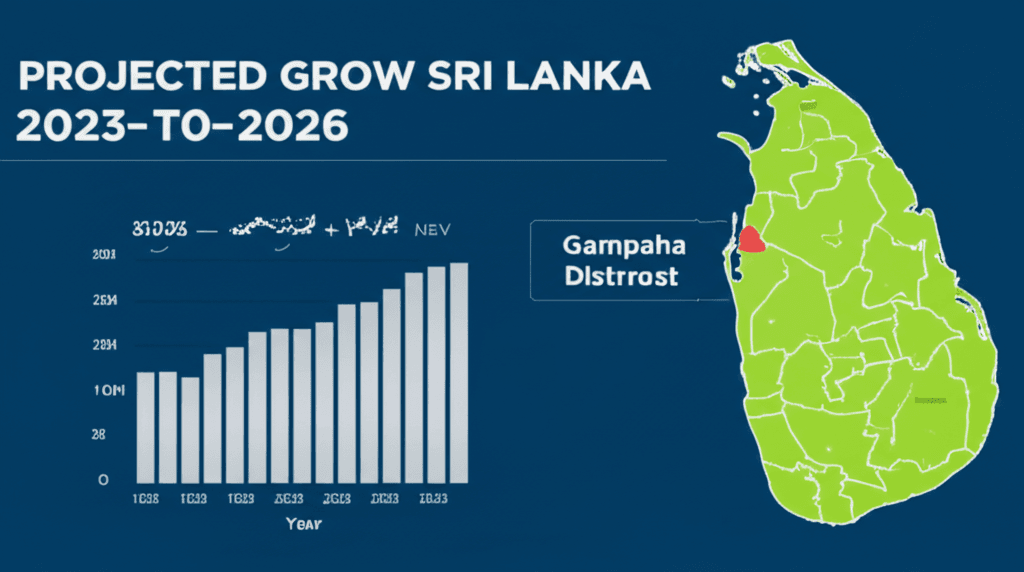
Alright, let’s have a straight talk. I’ve been watching the Sri Lankan ecommerce scene for years, and I think 2026 is going to be a tipping point, especially for business owners in Gampaha. The market reports I’m seeing suggest a serious spike in online spending, moving beyond just the early adopters in Colombo. We’re not just talking about growth; we’re talking about a fundamental shift in how people shop. And if you’re not online, you’re going to miss it. It’s that simple.
The Gampaha Advantage: More Than Just Proximity
I find that people often underestimate the Gampaha district. They see it as just a suburb of Colombo, but that’s a huge misread. Think about your unique position. You have major industrial zones like Katunayake and Biyagama right in your backyard. You’re sitting on the main highway network, which means your logistics for last-mile delivery are often faster and cheaper than for someone stuck in Colombo traffic. You can get a package to Kandy or Galle just as easily, if not more so, than a business in Kollupitiya. This geographic sweet spot is a massive, untapped advantage for ecommerce.
Your Customers Have Already Moved Online
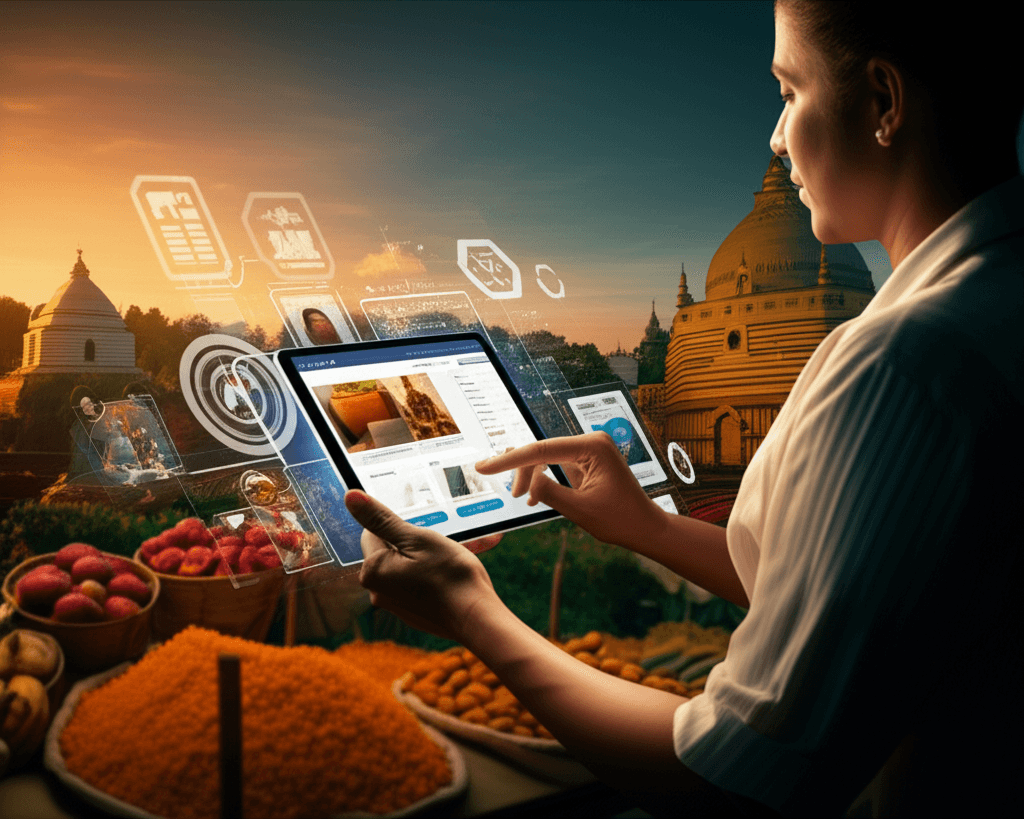
Here’s the thing: your customers are already buying things on their phones. The days of people being hesitant to enter their card details are fading fast. Now, it’s all about convenience. They see something they like on Instagram while sitting in a bus and they want to buy it right then. This is the rise of m-commerce, or mobile commerce, and it’s driven by the fact that nearly everyone has a smartphone. The question is, when they search for what you sell, will they find your store or your competitor’s?
Let me give you a practical example. Imagine you run a small shop in Ja-Ela selling unique home decor items. A customer in Nugegoda sees your products on Facebook. With a proper WooCommerce site, they can place an order in minutes. Because of your location near the highway, you can use a courier service to have it delivered the next morning, possibly faster than a store in Colombo Fort could manage. You’ve just captured a sale from a completely different district, all because you had a digital storefront. That’s the opportunity waiting for you.
WooCommerce: The Ultimate Toolkit for Gampaha’s Entrepreneurs
Now, you might be wondering, “With all the options out there, why are we focusing so much on WooCommerce, especially for us here in Gampaha?” I get it. The choices can feel overwhelming. But after years of seeing businesses succeed and fail online, I think WooCommerce offers a combination of power and freedom that’s just unmatched for a local Sri Lankan entrepreneur.
Control Your Costs, Own Your Store
Let’s talk money first, because it always matters. The software itself is free and open-source. Your main costs are hosting and a domain name. Compare this to a platform like Shopify, where you’re paying a monthly subscription fee that never ends. I like to think of it this way: with Shopify, you’re renting a beautiful apartment. With WooCommerce, you’re building your own house. It takes a bit more effort upfront, but you own it completely. Over the long run, especially as you grow, this ownership model almost always ends up being more cost-effective.
Customization That Fits Gampaha’s Unique Products
This is where WooCommerce truly shines. It’s incredibly flexible. Let’s imagine you’re selling beautiful terracotta pottery from the villages around Veyangoda. You don’t just need a simple “add to cart” button. You might need options for custom engravings, different glaze colours, or even a special calculator for bulk shipping costs. With WooCommerce, you can find a plugin for nearly anything or have a developer build a specific feature just for you. You aren’t stuck inside a rigid system; you can tailor the entire shopping experience to match your unique product and brand.
Built for the Sri Lankan Market
What good is a store if your customers can’t pay you? This is a huge hurdle many new online sellers face. WooCommerce makes it simple to integrate with the payment gateways that Sri Lankans actually know and trust. You can easily add options like:
PayHere
WEBXPAY
Direct Bank Transfers (BOC, Sampath, etc.)
More importantly, you can get found by local customers. Because it’s built on WordPress, WooCommerce is excellent for Search Engine Optimization (SEO). With a simple, free plugin like Yoast SEO, you can optimize your product pages to show up when someone in Colombo searches on Google.lk for “buy fresh mangosteen online” or “handloom sarees from Gampaha.” You have direct control over your titles, descriptions, and keywords, which is a massive advantage for ranking locally.
Case Studies: Top Sri Lankan WooCommerce Websites for Inspiration
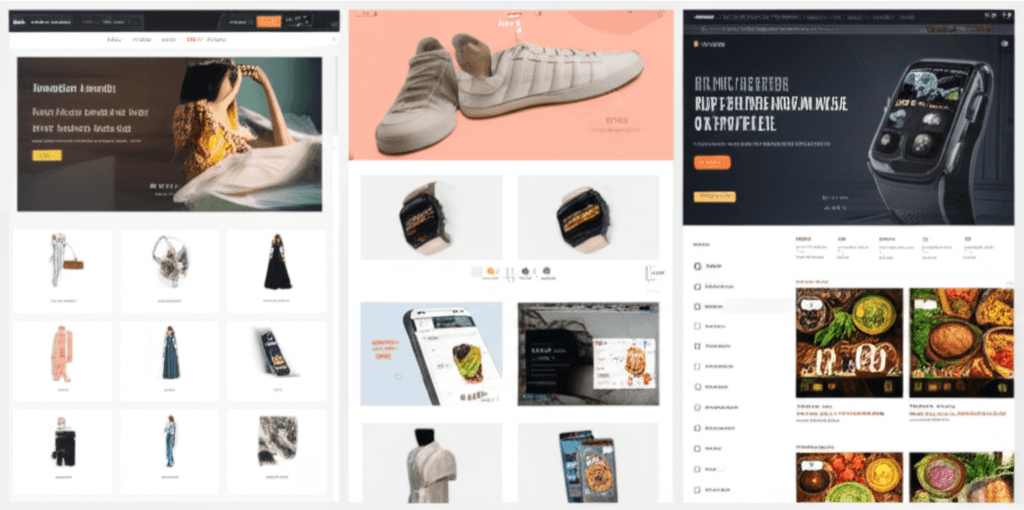
Talking about features and plugins is one thing. But here’s where it gets interesting. Seeing what other Sri Lankan businesses are actually building with WooCommerce can show you what’s possible. I think the best way to learn is by looking at who’s doing it right. These aren’t just Colombo-based giants; the principles they use are perfectly suited for any ambitious seller in Gampaha.
Let’s break down a few sites I admire and see what we can learn.
Kelly Felder: Nailing the Visuals
First up, check out the fashion brand Kelly Felder. The moment you land on their site, you’re hit with stunning, professional photography. Their products are shown on models, from multiple angles, and in lifestyle settings. This isn’t just about looking pretty; it’s about helping the customer imagine themselves wearing the clothes. Their mobile experience is also fantastic—simple to navigate with your thumb. What does this mean for you as a Gampaha seller? You don’t need a high-fashion budget. You just need a smartphone with a good camera and a clean, well-lit space. Focus on taking clear, crisp photos of your products. Show them in use. It builds desire and trust far more than a simple product shot on a plain background.
MD Gunasena: The Power of Organization
Next, let’s look at a completely different business: MD Gunasena, the bookstore. They have thousands of products. Imagine trying to find one specific book in a messy, unorganized shop. It would be a nightmare, right? Their website solves this with brilliant organization. They use clear categories, a powerful search bar, and filters for authors and publishers. I think their success comes down to a simple principle: they make it easy for the customer to find what they want. For your store, even if you only have 20 products, organize them into logical categories from day one. Use WooCommerce’s product tags to help customers discover related items. A well-organized shop feels more professional and keeps people from leaving in frustration.
Kapruka: Building Local Trust
Finally, there’s Kapruka. They are a masterclass in building trust with a local audience. Notice how they prominently display options like Cash on Delivery (COD) and have very specific delivery information. They understand that for many Sri Lankans, paying online can still feel a bit risky. By offering familiar, trusted options, they remove that barrier. They also have their social media pages clearly linked, showing they are an active and engaged business. You can do this easily. Make sure your Gampaha address or service area is visible. Offer COD if you can manage the logistics. Link to your Facebook or Instagram page to show there are real people behind the website. It’s a small detail that makes a huge difference.
Your 2026 Gampaha Ecommerce Launch Checklist
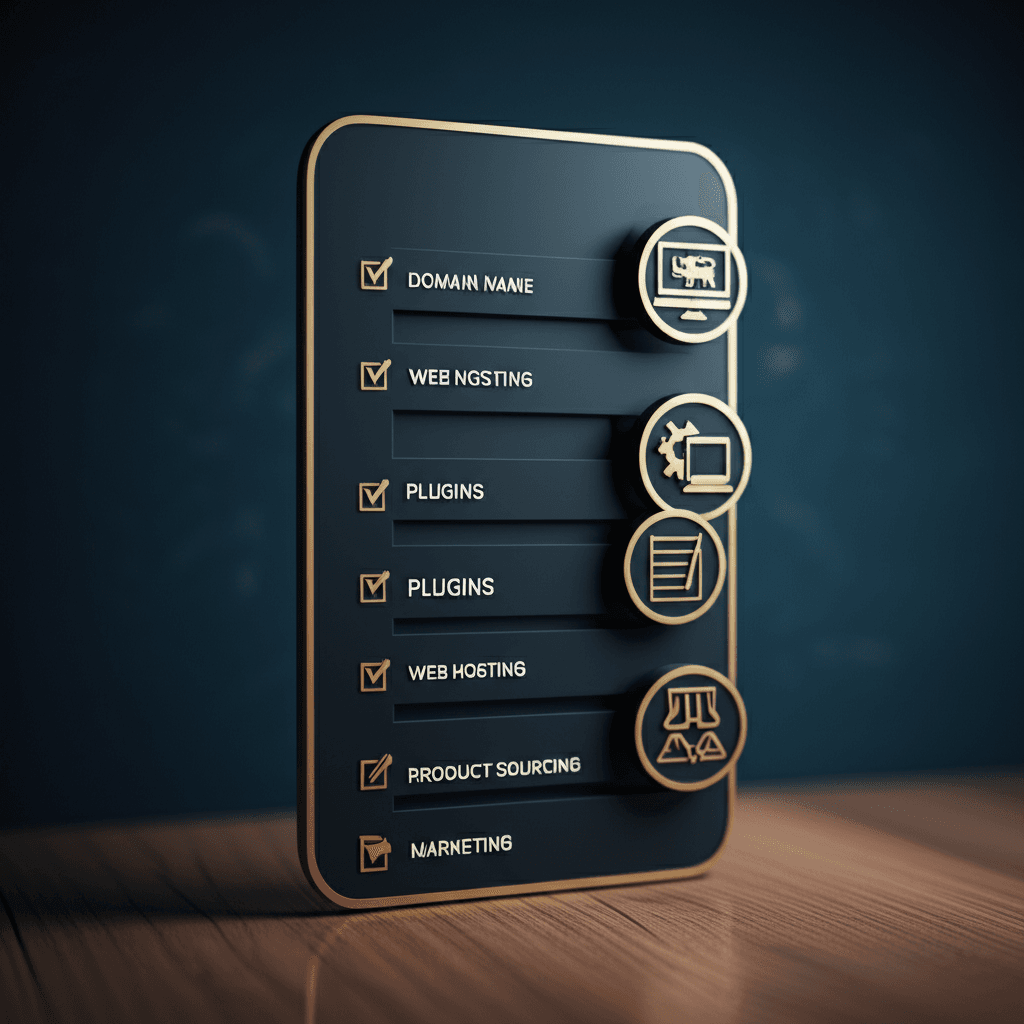
Alright, so you’ve decided to take the plunge with WooCommerce. Fantastic choice. But I know that initial “what do I do first?” feeling can be a bit much. So, let’s break it down into a simple, no-nonsense checklist. Think of this as your starting map.
Step 1: Get Your Digital Address
First things first, you need a home on the web. I’d strongly suggest grabbing a .lk domain name. It instantly tells customers you’re a local Sri Lankan business, which builds trust. For hosting, find a reliable Sri Lankan provider. Why local? Because when something goes wrong at 10 PM, you want support that’s in your time zone, not halfway across the world. It makes a huge difference, trust me.
Step 2: Add Your Sri Lankan Toolkit
A basic WooCommerce store is great, but you need to make it work for Sri Lanka. This is where plugins come in. You’ll absolutely need a local payment gateway. I’ve had good experiences installing plugins for PayHere or WEBXPAY. They let you accept everything from local credit cards to bank transfers. Then, think about shipping. You can get plugins that integrate directly with local couriers like Domex or Koombiyo to calculate shipping costs automatically. It saves so much manual work.
Step 3: Stock Your Shelves
Now for the fun part: your products. Let’s say you’re selling beautiful clay pots sourced from artisans in the Weke area. Instead of listing 100 different types, start with your 15 best-sellers. I think it’s smarter to test the market with a smaller, curated inventory. Use WooCommerce’s built-in stock management to track your items from day one. It helps you avoid that awkward moment of selling something you’ve just run out of.
Step 4: Let People Know You Exist
You’ve built it, but will they come? After all, what’s the point of a beautiful shop if no one can find it? Don’t overthink marketing at the start. Just do these two things: create a Facebook and Instagram page for your brand. Then, immediately set up a Google Business Profile. This is so important for a Gampaha-based seller. When someone nearby searches for your products, your business can pop up on Google Maps. It’s free, effective, and gets your first local customers through the digital door.
So, What’s the Real Takeaway?
Look, when you boil it all down, I think the most important thing is this: for a seller in Gampaha, choosing WooCommerce is about truly owning your online future. It’s not just about selling products; it’s about building a digital asset that belongs entirely to you, not some third-party marketplace. You get to call the shots, design the experience, and grow your brand without anyone else’s rules limiting you. Isn’t that what being an entrepreneur is all about?
Ready to build a store that’s 100% yours? The best next step is to contact our team for a free WooCommerce consultation and let’s start planning how to take your Gampaha business to the next level in 2026.
Frequently Asked Questions
How much does it cost to build a WooCommerce website in Sri Lanka?
The cost varies. A basic setup can range from LKR 50,000 to LKR 150,000, depending on customization and developer fees. WooCommerce itself is free, but you pay for hosting, a domain, and any premium plugins you need.
Can I use WooCommerce for my small shop in Gampaha?
Absolutely. WooCommerce is highly scalable, making it perfect for small home-based businesses in Gampaha as well as larger enterprises. You can start small and add more features as your business grows.
Which payment gateway is best for a Gampaha-based WooCommerce store?
PayHere and WEBXPAY are the most popular and reliable payment gateways in Sri Lanka. They support local credit/debit cards, mobile wallets, and online banking, making them ideal for serving Sri Lankan customers.