12 Web Design Trends Colombo Businesses Need in 2026 (Speed + AI Focus)
Trends 1-3: The Unforgiving Need for Speed in Colombo’s Digital Market
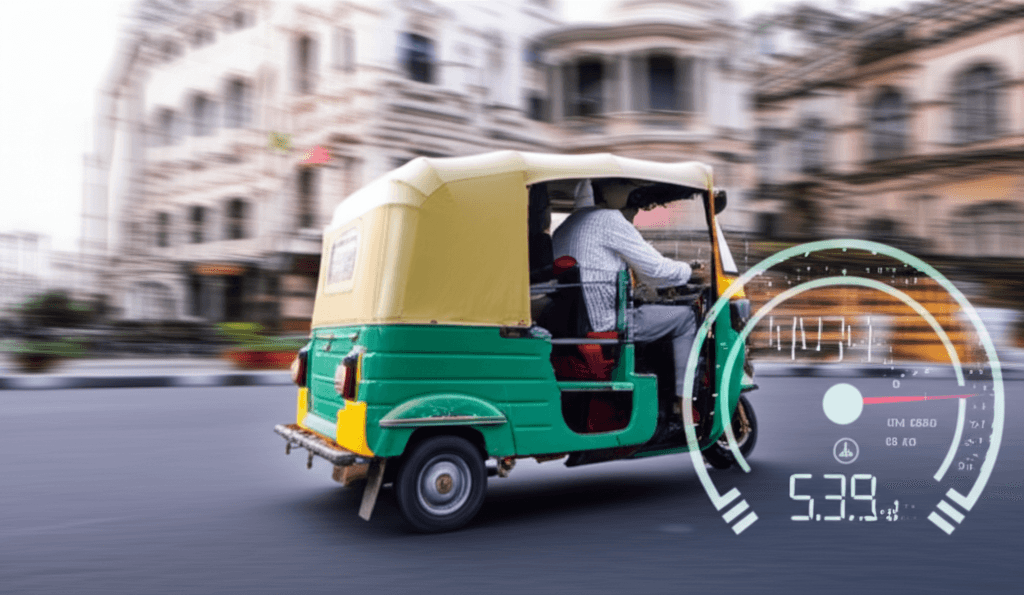
In Colombo’s fast-paced market, no one has time to wait for a slow website. If your site takes more than three seconds to load, potential customers will leave and find a competitor. For businesses in 2026, website speed is not just a technical detail; it is crucial for survival. A fast website leads to better user experience, higher search engine rankings, and more sales. Here are the three key trends focused on speed.
1. Core Web Vitals Become a Business Priority
Google uses Core Web Vitals (CWV) to measure how users experience a webpage. Think of it as a report card on your site’s performance. It checks three main things: how fast your content loads, how quickly users can interact with it, and how stable the layout is. In 2026, Sri Lankan businesses cannot afford to ignore these scores. A good CWV score helps you rank higher in Google search results, which means more free traffic. A poor score can make your website nearly invisible to potential customers. Optimizing these vitals is a direct investment in your online growth.
2. Rise of Lightweight and “Headless” Designs
Heavy, complex websites are on their way out. The new trend is using lightweight frameworks that deliver content without a heavy backend slowing things down. This approach, sometimes called “headless” or “Jamstack,” makes websites incredibly fast. The idea is simple: instead of building a page every time someone visits, the pages are pre-built and ready to serve instantly. This is perfect for building scalable online portals and e-commerce stores that must be reliable for a growing customer base.
3. Predictive Loading with AI
Imagine your website could predict what your visitor wants to see next. That is the power of predictive prefetching. Using simple AI, a website can analyze a user’s mouse movements and browsing patterns. Based on this data, it starts loading the page they are likely to click on before they even click. When the user finally clicks the link, the new page appears instantly. This creates a seamless and impressive user experience that keeps customers engaged and happy with your brand.
Trends 4-6: AI-Powered UX for a Tailored Customer Journey
In 2026, a one-size-fits-all website will no longer be effective. Customers in Colombo expect online experiences that understand their needs. Artificial Intelligence (AI) is the key to creating a personal journey for every visitor. This makes them feel valued and more likely to buy from you. Here are three ways AI is changing the User Experience (UX).
4. Hyper-Personalization That Converts
Personalization is more than just using a customer’s first name in an email. Modern AI tools can analyze a visitor’s browsing history, past purchases, and even how they move their mouse. With this data, your website can show them unique product recommendations, special offers, and content that perfectly matches their interests. This custom approach is proven to boost conversions for Sri Lankan retailers by making shopping easier and more relevant.
5. Intelligent Chatbots and Virtual Assistants
Forget the old, clunky chatbots that could only answer basic questions. By 2026, AI-powered virtual assistants will be essential for great customer service. They can work 24/7 to help users find products, guide them through the checkout process, and solve complex problems instantly. For Colombo businesses, this means you can provide immediate support to your customers without needing a large team working around the clock.
6. Predictive Analytics to Improve the Journey
What if your website could know what a customer wants before they do? AI makes this possible with predictive analytics. It studies user behavior to predict their next move. For example, if the AI detects a user is about to leave your site, it can automatically show a pop-up with a special discount to encourage them to stay. This proactive approach helps reduce abandoned carts and improves the overall user experience, which is key for how to retain customers in Sri Lanka’s booming e-commerce landscape.
Trends 7-9: Immersive & AI-Generated Visuals that Captivate
In 2026, a flat, static website will feel outdated. Colombo businesses must use dynamic visuals to capture attention and tell a story. The focus is shifting from simple photos to interactive experiences that draw users in, powered by new and accessible technology.
7. Immersive 3D Graphics
Static product images are no longer enough. Immersive 3D graphics allow customers to view products from every angle. Imagine a potential buyer in Kandy rotating a 3D model of a handbag from a Colombo boutique or a property investor taking a virtual walkthrough of a new apartment complex. This technology builds trust and helps customers make buying decisions with confidence, bringing the in-store experience directly to their screen.
8. AI-Generated Imagery
High-quality, custom visuals used to be expensive and time-consuming. Now, Artificial Intelligence (AI) can create stunning and unique images, icons, and background textures in minutes. A small business can generate creative branding assets without hiring a large design team. This trend is a game-changer for startups and SMEs, allowing them to compete with larger companies by producing professional visuals quickly and affordably. Learning how the web design industry adapts to the AI age is crucial for staying competitive.
9. Augmented Reality (AR) Integration
Augmented Reality bridges the gap between online shopping and the real world. Using just a smartphone, customers can see how products look in their own space. A furniture store in Colombo could let users place a virtual sofa in their living room, while an e-commerce brand could offer a “try-on” for sunglasses or watches. This interactive experience reduces uncertainty for the buyer and has been proven to boost sales and lower product return rates.
Trends 10-12: Winning the Local Game with Smart SEO & Accessibility
While AI and global speed are important, your most valuable customers are often right here in Colombo. In 2026, success means being easy to find and use for your local community. These final trends focus on connecting with customers in your neighbourhood, turning online searches into real-world sales.
# 10. Hyper-Local SEO
Think beyond general keywords. Hyper-local SEO is about showing up when someone nearby searches for what you offer. This means optimising for phrases like “bookshop in Bambalapitiya” or “best lunch deals near me.” A key step is to complete your Google Business Profile with your address, hours, and photos. Adding local landmarks and neighbourhood names to your website content also helps. This strategy tells search engines you are a key part of the local community, helping you attract customers who are ready to visit.
# 11. Voice Search Readiness
More Sri Lankans are using voice commands on their phones to find information. They ask questions like, “Hey Siri, where can I get a haircut in Wellawatte?” Your website needs to provide the answers. To prepare, write your content in a natural, conversational way. Using a question-and-answer format on FAQ pages is very effective. When your site answers these questions clearly, voice assistants are more likely to recommend your business. For more strategies, see the top SEO trends for 2026.
# 12. Accessibility for Everyone (WCAG)
A great website is one that everyone can use, including people with disabilities. This is called web accessibility. It involves simple but important design choices: adding text descriptions to images (alt text), using colours that are easy to read, and ensuring your site works without a mouse. An accessible site opens your business to more customers. It also improves the experience for all users and can boost your search rankings. Following the Web Content Accessibility Guidelines (WCAG) is the best way to ensure your site is inclusive. For businesses expanding abroad, WCAG compliance audits are essential.
{“@context”:”https://schema.org”,”@type”:”FAQPage”,”mainEntity”:[{“@type”:”Question”,”name”:”Why is website speed so important for a business in Sri Lanka?”,”acceptedAnswer”:{“@type”:”Answer”,”text”:”With the rapid growth of mobile internet users in Sri Lanka, patience for slow websites is extremely low. A fast-loading site directly improves user experience, reduces bounce rates, and is a major ranking factor on Google. For a Colombo business, speed is a critical competitive advantage to capture and convert online customers.”}},{“@type”:”Question”,”name”:”Is implementing AI on my website too expensive for a small Colombo business?”,”acceptedAnswer”:{“@type”:”Answer”,”text”:”Not anymore. Many powerful AI tools, such as intelligent chatbots and personalization engines, are now available as affordable subscription services (SaaS). The return on investment from enhanced customer engagement and sales often makes it a cost-effective strategy. You can start small with one feature and scale up. See our [AI solutions pricing].”}},{“@type”:”Question”,”name”:”What is ‘Hyper-Local SEO’ and why do I need it?”,”acceptedAnswer”:{“@type”:”Answer”,”text”:”Hyper-Local SEO is the practice of optimizing your online presence to attract customers in a specific, small geographic area, like a single neighborhood in Colombo. It involves targeting keywords like ‘bakery in Bambalapitiya’ and ensuring your Google Business Profile is fully optimized. It’s essential for any brick-and-mortar business to compete for local foot traffic.”}}]}