


Sri Lanka’s eCommerce market is entering a more mature, data‑driven phase where growth is still strong but competition and customer expectations are far higher than during the early‑pandemic boom. For any business planning a serious online store in 2026 and beyond, understanding the numbers, behaviour and infrastructure behind this shift is essential.
Size of the eCommerce market
- According to B2C market forecasts, Sri Lanka’s eCommerce revenue is estimated at around USD 2.6–2.7 billion in 2025, with projections to pass USD 3.2 billion by 2029 at a compound annual growth rate close to 5%.
- Broader digital commerce estimates that include travel, online services and digital goods suggest even higher values, with some reports placing Sri Lanka’s digital commerce market above USD 4.5 billion in 2024, highlighting how quickly online transactions are becoming part of everyday life.

Internet, mobile and social backdrop
- As of 2025, Sri Lanka has a high rate of mobile phone connections relative to population, and the majority of internet users access the web primarily through smartphones, which explains why most online orders now originate from mobile devices.
- Social media penetration is also strong, with platforms such as Facebook, Instagram, TikTok and WhatsApp driving product discovery, reviews and direct messaging, making them critical traffic sources for eCommerce brands.

Consumer behaviour and expectations
- Recent analyses of online consumer behaviour in Sri Lanka show that convenience, trust and price are the three main drivers of purchase decisions, with buyers heavily influenced by reviews, word of mouth and visible guarantees on websites.
- Even in 2025, cash‑on‑delivery remains important, but digital payments via LankaQR, debit cards, mobile wallets and internet banking are rapidly gaining share, especially among younger urban shoppers who now expect seamless, instant checkout flows.
Hyperlocal delivery and logistics
- Hyperlocal eCommerce has grown quickly, with neighbourhood‑level delivery networks and same‑day courier services enabling groceries, pharmaceuticals and daily essentials to be ordered online and delivered within hours.
- This shift has changed shopper expectations; customers now assume accurate delivery timelines, real‑time tracking and proactive communication via SMS, email or messaging apps as part of a professional online store experience.

Category trends and popular niches
- Store databases show that fashion and apparel, electronics, beauty and personal care, groceries and niche speciality products make up a large proportion of Sri Lankan online stores, illustrating how both essentials and lifestyle items are shifting online.
- Many merchants also operate in hybrid models, using their eCommerce website alongside marketplaces and social selling, but still treating the website as the central hub for branding, catalog management, SEO and long‑term customer retention.
Payments, security and trust signals
- Reports on the digital market emphasise that security concerns, fear of fraud and lack of standardised payment experiences still hold back some potential shoppers, especially outside major cities.
- Clear trust signals such as SSL certificates, visible payment partner logos, transparent return and refund policies, and published physical contact details significantly increase conversion rates and reduce cart abandonment for Sri Lankan stores.

Regulatory, policy and infrastructure context
- National digital economy initiatives aim to improve connectivity, promote eCommerce, protect consumer rights and strengthen cybersecurity, reflecting government recognition that online trade is a key growth pillar for the next decade.
- At the same time, businesses still face challenges such as uneven high‑speed internet coverage, data privacy concerns and the need to comply with evolving regulations for data protection, taxation and cross‑border trade.
Key challenges for merchants
- Studies of the Sri Lankan digital market highlight issues including limited digital skills, fragmented logistics, inconsistent customer service and under‑investment in professional web design and UX, all of which can reduce trust and repeat purchases.
- Many small businesses also treat eCommerce as a side project, running outdated product information, slow websites and manual inventory processes, which leads to poor reviews and lost revenue opportunities in an increasingly competitive landscape.
Opportunities in 2026 and beyond
- Forecasts for 2026–2031 suggest that rising smartphone adoption, a growing middle class and increasing comfort with digital payments will keep pushing more categories online, from education and healthcare to B2B procurement.
- There is also a strong opportunity for Sri Lankan brands to sell regionally and globally by combining export‑ready products with professional eCommerce websites, integrated shipping calculators and multi‑currency payment options.

Strategic priorities for serious eCommerce players
- To compete in this maturing landscape, merchants need fast, mobile‑first websites, structured product data, SEO‑friendly category architecture and advanced analytics that track not just traffic but lifetime value and cohort behaviour.
- Integrating local payment gateways, automating shipping workflows, investing in content and technical SEO, and partnering with an experienced eCommerce web design team in Sri Lanka are becoming baseline requirements rather than nice‑to‑have features.
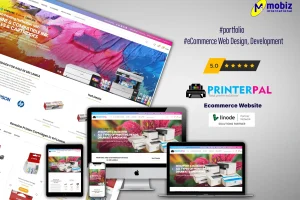
For businesses that want to launch or upgrade a high‑performing online store with modern design, secure payments and local market expertise, working with a specialised eCommerce website design partner in Sri Lanka such as the team behind https://www.joomlasrilanka.com/ecommerce-website-design-development-in-sri-lanka/ can provide a strong long‑term foundation.
Suggested references
- https://www.trade.gov/country-commercial-guides/sri-lanka-ecommerce
- https://datareportal.com/reports/digital-2025-sri-lanka
- https://www.lankawebsites.com/tech-news/the-future-of-e-commerce-web-design-in-sri-lanka-in-2026/
- https://lankafix.com/e-commerce-boom-hyperlocal-shopping-in-sri-lanka/
- https://www.dhl.com/discover/en-lk/e-commerce-advice/e-commerce-trends/top-5-ecommerce-trends-in-2024
- https://www.dhl.com/discover/en-lk/e-commerce-advice/e-commerce-best-practice/digital-payments-sri-lanka-online-shopping
- https://www.researchandmarkets.com/reports/6191231/sri-lanka-b2c-ecommerce-market-size-and-forecast
- https://www.6wresearch.com/industry-report/sri-lanka-digital-market
- https://www.aftership.com/ecommerce/statistics/regions/lk
- https://shoprank.com/countries/sri-lanka
- https://www.linkedin.com/pulse/online-consumer-behaviour-sri-lanka-amith-jayasinghe-yo6vc
- https://www.linkedin.com/pulse/rise-e-commerce-sri-lanka-impact-e-money-ajith-watukara-mgyec
- https://fcms.kln.ac.lk/dep/dmm/index.php/dmm-publications/digital-outlook-sri-lanka
- https://www.lankawebsites.com/tech-news/digital-marketing-trends-in-sri-lanka-for-2026/
- https://www.joomlasrilanka.com/blog/14-key-benefits-of-e-commerce-for-sri-lankan-businesses-in-2025/
be sure to check our Mobiz International : Your are one click away from the best company for web design in sri lanka