



The AI Disruption: A New Challenge for Sri Lanka’s Creative Economy
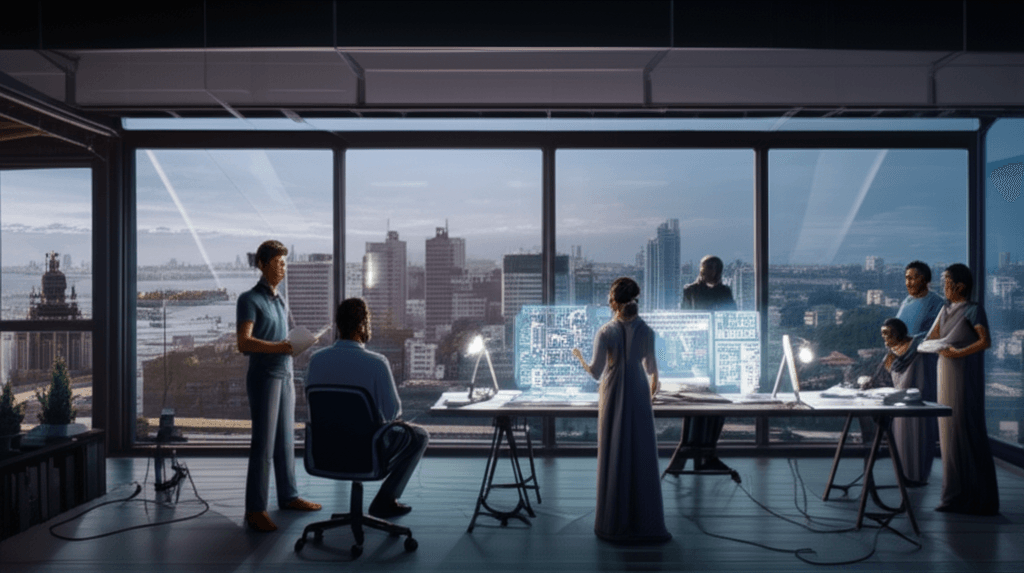
Artificial Intelligence (AI) is no longer a futuristic idea. It is here now, and it is changing industries around the world. For Sri Lanka’s vibrant creative economy, this technology presents a major challenge. Graphic designers, writers, photographers, and video editors are seeing AI tools that can create high-quality content in seconds. This has led to a real fear of becoming obsolete.
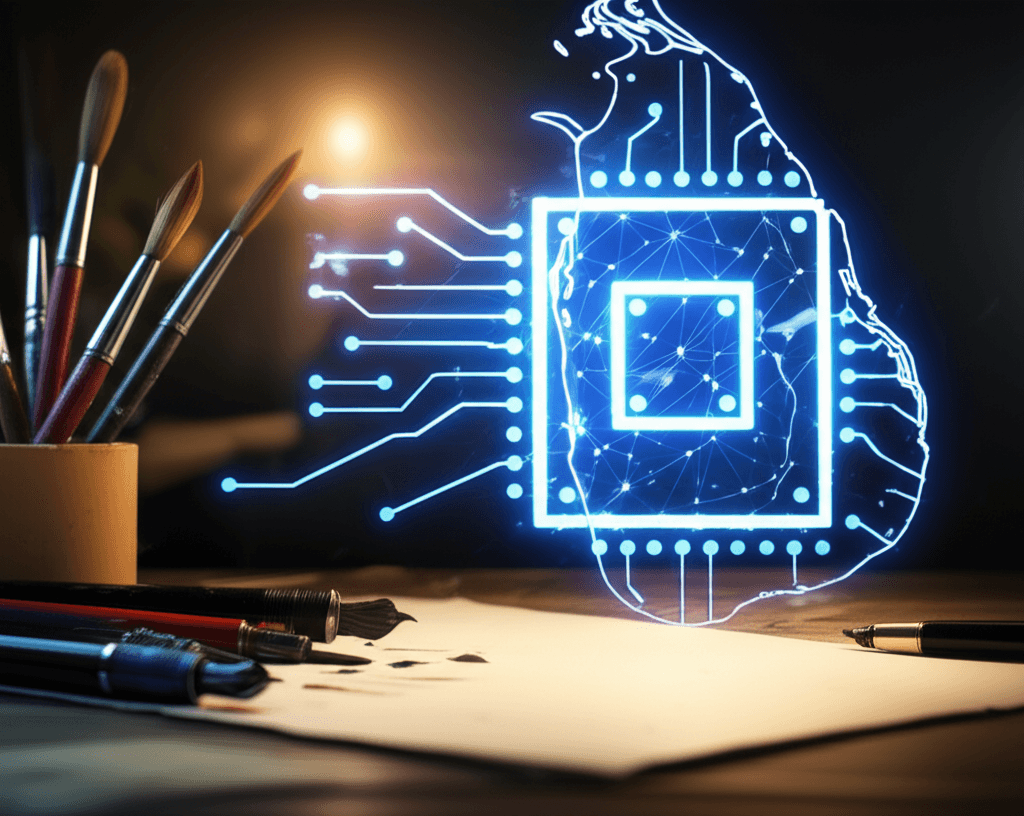
For years, creative skills were seen as uniquely human. They required imagination, emotion, and technical expertise. Now, AI can generate images from a simple text prompt or write entire articles. This automation threatens to devalue the hard-earned skills of many Sri Lankan professionals. The concern is that businesses might choose cheaper, faster AI solutions over human talent, leading to job losses and lower pay for creative work.
This situation is not unique to the creative sector. Across the tech industry, professionals are facing similar questions about the future of their roles. There is an ongoing debate about AI’s double edge of causing job losses while creating new high-skill roles. For creatives, this means the landscape is shifting dramatically. The old ways of working may not be enough to stay competitive in the years ahead.
However, this disruption also brings an opportunity. Instead of being replaced by AI, creatives can learn to work alongside it. By using AI as a powerful assistant, they can boost their productivity and focus on strategy and originality. The key is to adapt. Understanding how different industries like web design are adapting to the AI age shows a clear path forward. The challenge for Sri Lanka’s creatives is to embrace new skills and redefine their value in an automated world.
Beyond Prompt Engineering: The Imperative of Ethical AI Reskilling
Many Sri Lankan creatives are learning “prompt engineering.” This means learning how to write good instructions for AI tools. While this is a great first step, it is not enough to secure a long-term career. To truly stay valuable, professionals must look beyond basic commands and embrace a deeper, more responsible set of skills.
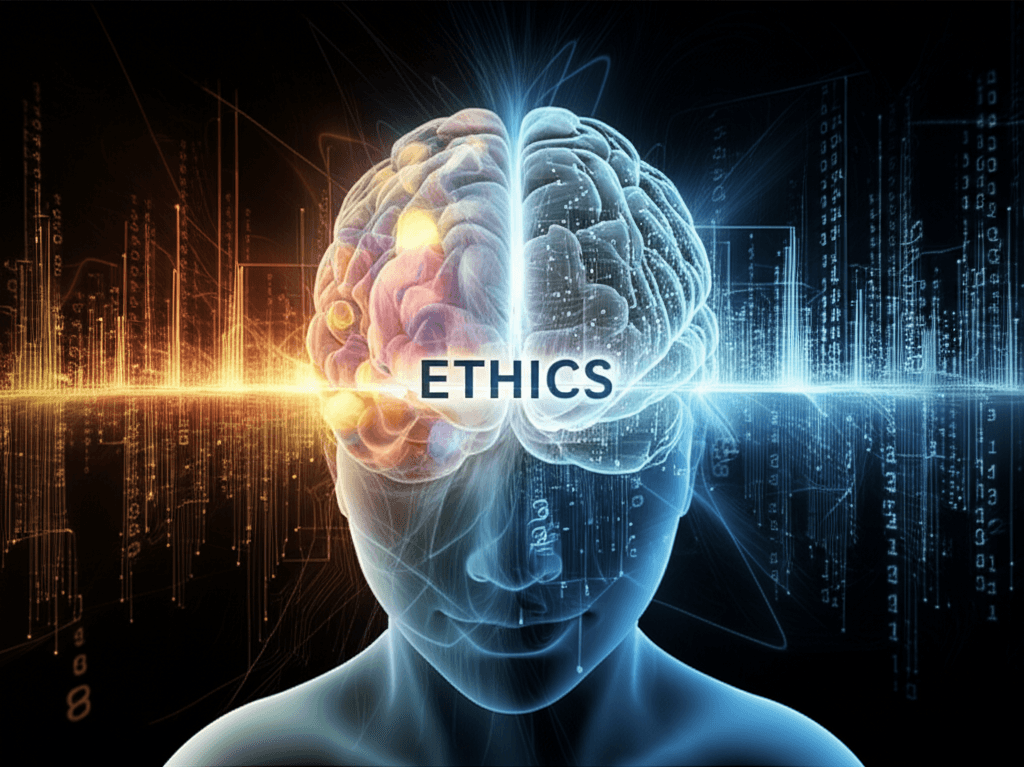
The real challenge is not just using AI, but using it ethically. AI tools can create content that is biased, unfair, or accidentally copied from other sources. For a creative professional, this is a serious risk that could harm clients and damage your reputation. Ethical AI reskilling is the answer. It moves you from being a simple user to a responsible expert who can guide clients safely through this new technology.
This advanced training focuses on key areas that go beyond writing prompts:
- Bias and Fairness: Learning to identify and correct biases in AI-generated content to ensure it is inclusive and fair.
- Copyright and Ownership: Understanding the complex legal rules around who owns AI-created work and how it can be used commercially.
- Data Privacy: Protecting client confidentiality by knowing how AI tools process and store the information you provide.
- Authenticity and Voice: Mastering the art of blending AI-generated elements with your unique human creativity to produce original, high-quality work.
By developing these skills, you do more than just protect yourself. You create new value. You become a trusted advisor who understands the AI’s double edge of job risks and new opportunities. This strategic upskilling ensures technology enhances your talent instead of replacing it, turning a potential threat into your greatest career advantage.
Practical Pathways: How Lankan Creatives Can Future-Proof Their Careers
The rise of AI can feel scary for writers, designers, and other creative professionals in Sri Lanka. It’s easy to worry that machines will take over creative jobs. However, this change also brings new opportunities to grow. Instead of becoming obsolete, you can adapt your skills to work alongside AI. Here are practical steps to secure your creative career for the future.
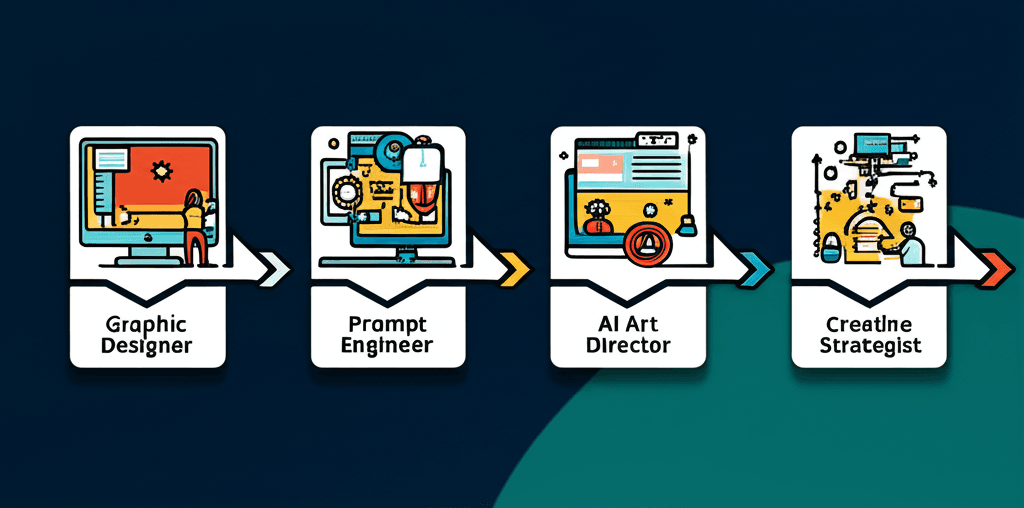
1. Learn to Work with AI Tools
Think of AI not as a rival, but as a helpful assistant. Learn to use AI programs to handle simple tasks like brainstorming ideas or creating basic drafts. This frees up your time for the most important work: strategy, complex problem-solving, and adding your unique human touch. By mastering AI tools, you become more efficient and valuable to your clients.
2. Focus on Skills AI Cannot Copy
AI is good at processing data, but it lacks empathy, cultural understanding, and true creativity. Focus on strengthening these human skills. Great storytelling, understanding a client’s true needs, and leading a creative project are abilities that will always be in demand. These skills help you create work that connects with people on a deeper level.
3. Become an Expert in a Niche Area
Instead of being a general creative, specialize in a specific field. For example, you could become the go-to web designer for wellness brands or spice exporters in Sri Lanka. Combining your creative talent with deep industry knowledge makes you an expert that AI cannot replace. Clients will seek you out for your specialized insights and understanding.
4. Understand AI Ethics and Strategy
As AI becomes more common, companies need experts who can use it responsibly. Learn about the ethical side of AI, such as avoiding bias and protecting data. This knowledge positions you as a strategic partner, not just a content creator. You can guide businesses on how to use AI effectively, creating new high-skill roles for yourself in the process.
By taking these steps, Sri Lankan creatives can turn the challenge of AI into a major career opportunity. The future belongs to those who adapt and grow.
The Augmented Creative: Sri Lanka’s New Competitive Advantage
Many creative professionals in Sri Lanka worry about Artificial Intelligence (AI). They fear that automation will take their jobs. But what if AI is not a threat, but a powerful tool? The future is not about humans versus machines. It’s about humans working with machines. This partnership creates what we call the “Augmented Creative.”
An augmented creative is a designer, writer, or marketer who uses AI to boost their skills. They don’t let AI do all the work. Instead, they use it to handle boring tasks, generate ideas quickly, and analyze data. This frees them up to focus on what humans do best: strategy, critical thinking, and genuine creativity. For example, a web designer can use AI to create basic layouts, then spend more time perfecting the user experience.
This new approach is a huge opportunity for Sri Lanka. By focusing on ethical AI reskilling, our creative workforce can stand out. They can offer services that are both fast and high-quality. This is different from services that rely only on AI, which can lack a human touch. Understanding how the web design industry adapts to the AI age is the first step.
The key is to learn how to guide AI tools properly and ethically. This means checking for errors, avoiding bias, and adding unique insights. This creates a powerful competitive advantage. Instead of being replaced, Sri Lankan creatives can lead the way. They will move into new high-skill roles that blend technology with human talent, ensuring they are essential in the automation era.
References
- The Future of Jobs Report 2023 – World Economic Forum. An in-depth analysis of how technology, including AI, is transforming the labour market and the critical need for reskilling and upskilling.
- Ethics of artificial intelligence – Wikipedia. A comprehensive overview of the ethical dilemmas and frameworks surrounding AI, relevant to its application in creative and other professional fields.
- How Generative AI Is Starting To Transform The Creative Economy – Forbes. An industry perspective on the specific ways generative AI is impacting creative professionals and workflows, highlighting both challenges and opportunities.
- The economic potential of generative AI: The next productivity frontier – McKinsey & Company. A report detailing the widespread impact of generative AI on productivity and the workforce, reinforcing the urgency for adaptation.