



The Automation Wave: A Tsunami or a Tide to Ride for Lankan Creatives?
For many Sri Lankan creatives, the rise of Artificial Intelligence feels like a giant wave. Tools can now write articles, create logos, and even build simple websites in minutes. This change causes real worry. Many graphic designers, writers, and web developers fear their jobs are at risk. It is easy to see this wave as a destructive tsunami that could wash away careers.
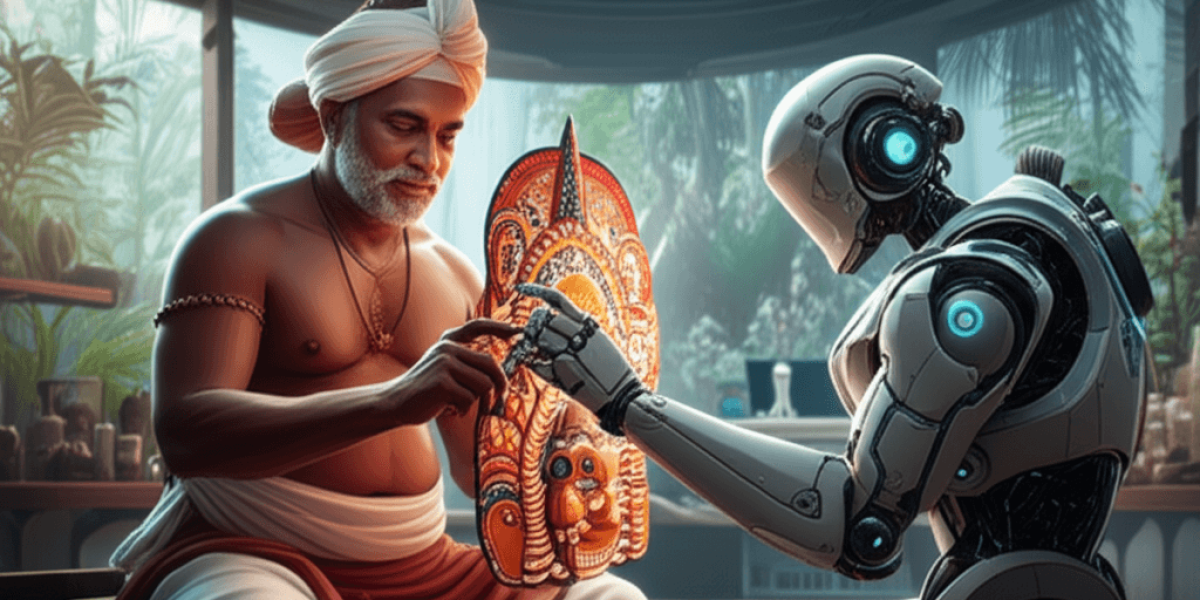
But what if we see it differently? Instead of a tsunami, this automation wave could be a powerful tide we can learn to ride. AI is a tool, not a replacement for human creativity. It can handle the boring, repetitive parts of a project. Imagine an AI generating basic design options while you focus on the big idea and client strategy. This frees you up to do the work that truly matters: understanding people, solving complex problems, and adding a unique Sri Lankan touch that no machine can copy.
The key to riding this tide is reskilling. This means learning how to use AI tools effectively and ethically. Your role will shift from being just a creator to a creative director. You will guide the AI, check its work for bias, and add the final human polish. By learning how the web design industry adapts to the AI age, you can lead the change instead of being left behind.
The future for Lankan creatives is not about competing with AI. It is about partnering with it. Those who adapt will not just survive; they will find new opportunities to offer more value to their clients. The challenge is to use these tools without feeling like we are losing our creativity. By embracing new skills, you can turn a potential threat into your greatest advantage.
The Reskilling Blueprint: Moving from AI User to AI Strategist
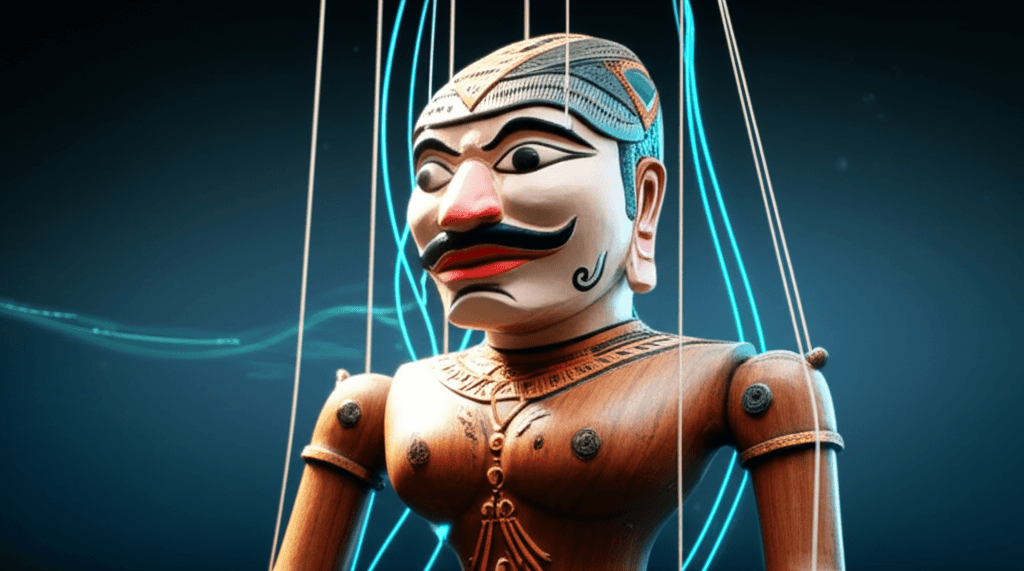
Using AI tools is easy. But simply generating images or text makes you a user, not a leader. The real path to job security is becoming an AI strategist. This means moving from just doing tasks to planning how AI can solve bigger problems for businesses. An AI user follows commands, but a strategist directs the technology with purpose.
So, how do you make this shift? It starts with learning more than just prompts. Understand the basics of how different AI tools work. This knowledge helps you create smart plans. For example, a strategist doesn’t just ask AI to write an ad. They use AI to research the target audience, analyze competitor ads, and then guide the AI to create content that truly connects. This is how you can use tools for powerful results like AI personalization that boosts sales.
Next, a strategist always thinks about ethics. They ask important questions. Is the AI’s output fair and unbiased? Are we respecting copyright? Is it honest to use AI for this project? This ethical oversight is a high-value skill that clients will pay for. A strategist also knows that AI is not perfect. They provide the final human touch. They add cultural understanding and creative judgment that machines lack.
By following this blueprint, you are not just keeping up with technology. You are learning how the creative industry can adapt to the AI age. You become the person who directs the tools, ensuring they are used responsibly and effectively. This strategic role is what will protect Sri Lankan creatives from becoming obsolete.
Success Stories: How Early Adopters are Thriving, Not Just Surviving
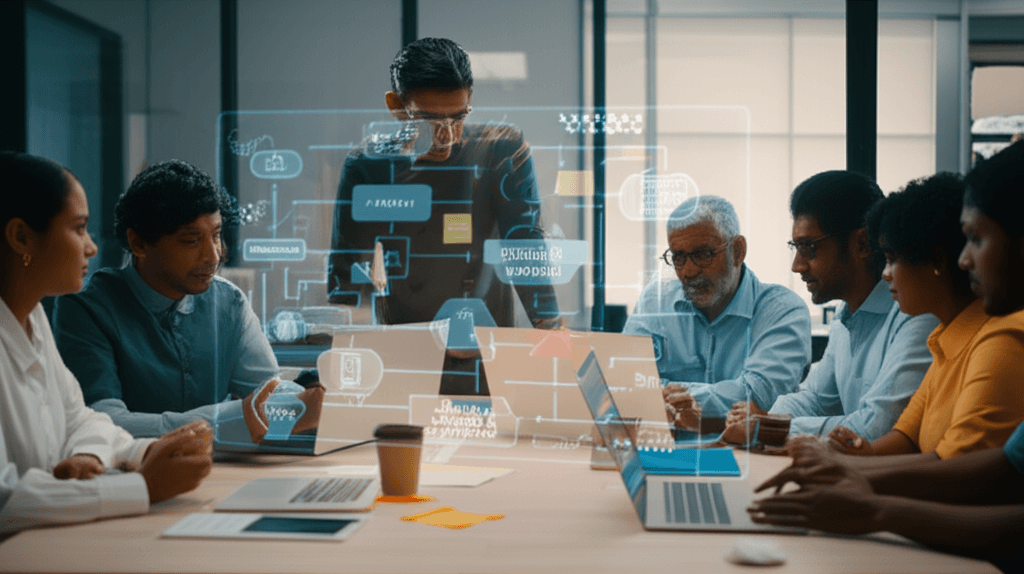
The fear of AI replacing creative jobs is real, but many Sri Lankan professionals are proving that a different future is possible. Instead of becoming obsolete, they are using ethical AI skills to become more valuable than ever. Their stories show that with the right training, AI is a powerful tool, not a threat.
Take Nayani, a freelance graphic designer from Kandy. A few years ago, she worried that AI image generators would make her skills worthless. Instead of giving up, she enrolled in a workshop on AI prompt engineering and digital art. Today, she uses AI to generate dozens of initial concepts for clients in a fraction of the time it used to take. She then applies her expert design sense to refine the best ideas into unique, polished final products. Her clients get more options, and she can handle more projects, boosting her income significantly.
Similarly, Ravi, a content writer in Colombo, saw many businesses experimenting with AI-written articles. He decided to learn how to master these tools rather than compete with them. He now uses AI to handle research, create outlines, and draft basic content. This frees up his time to focus on what humans do best: editing for tone, adding unique insights, and developing complex content strategies. He has become a consultant who helps e-commerce companies use AI for better marketing, including learning how AI personalization boosts conversions.
These professionals are not just surviving; they are thriving. They show that the key is to work alongside AI, using it to automate repetitive tasks and save time for high-level creative and strategic work. By embracing reskilling, Sri Lanka’s creatives are securing their place in the future of work.

A Call to Action: Building a Future-Proof Creative Ecosystem in Sri Lanka
The age of AI is not on the horizon; it is already here. For Sri Lanka’s talented writers, designers, and artists, this is a critical moment. We cannot ignore this technological shift. The only path forward is to adapt and embrace AI as a powerful tool for creativity. This requires a shared effort from everyone involved in our nation’s creative industries.
Individual creatives must take the lead in their own reskilling. Start by learning how to use AI tools to speed up workflows, brainstorm new concepts, and handle repetitive tasks. At the same time, businesses and agencies must invest in their people. Training your current team in ethical AI practices is smarter than replacing them. This strategy combines the efficiency of technology with the unique insight and emotional intelligence that only a human can provide. As seen in the tech industry, AI presents a double edge of job losses and new high-skill roles, and the creative sector will follow a similar path.
Educational institutions also have a vital role. They must update their courses to include AI literacy, prompt engineering, and digital ethics. This ensures that the next generation enters the workforce with relevant, future-proof skills. Government support through training grants and clear ethical guidelines can further strengthen this transition.
By working together, we can build a resilient and innovative creative ecosystem. Let’s treat AI not as a threat, but as a partner. By doing so, we can ensure Sri Lankan creatives continue to thrive and lead in the global marketplace.
References
- The Future of Jobs Report 2023, World Economic Forum. An in-depth analysis of how AI is reshaping the global labour market and the critical need for reskilling and upskilling across industries.
- “Generative artificial intelligence”, Wikipedia. A comprehensive overview of the technology driving automation in creative fields, its capabilities, and the ongoing societal and economic discussions.
- “Ethics of artificial intelligence”, Wikipedia. Provides foundational knowledge on the key ethical challenges in AI development, including bias, accountability, and intellectual property—central themes in the ethical reskilling of creatives.
- “SLASSCOM unveils AI blueprint for Sri Lanka”, Daily FT. Industry news highlighting the local push in Sri Lanka to build a national AI strategy, reinforcing the urgency and context for upskilling the nation’s workforce.