Global Web Design Trends for Sri Lankan Agencies Serving Overseas
Beyond the Clutter: Why Minimalism & Bold Typography Win Global Clients
When you serve clients overseas, your designs need to speak a universal language. Today, that language is clean, simple, and direct. Minimalism is more than just empty space. It is about creating a focused experience that guides users to what matters most. A simple website cuts through the noise of the internet, showing respect for the visitor’s time.
A minimalist approach has clear benefits. First, it makes websites easier to navigate. Visitors can find information quickly without getting lost in flashy effects. Second, simple designs load faster. With fewer elements on the page, performance improves greatly. A fast-loading site is crucial for keeping international audiences engaged, which is key to Optimizing Core Web Vitals for High-Performance WordPress Sites Serving Sri Lankan Tourism Businesses. This technical excellence shows potential clients that you build professional, high-quality websites.
Paired with minimalism, bold typography makes a strong statement. Large, clear headings act as design elements themselves. They grab attention and establish a clear order of importance on the page. Your client’s most important message becomes impossible to miss. The right font can also convey a brand’s personality, whether it is modern, trustworthy, or creative. This clean and clear presentation is a core part of Embracing Inclusive Web Design, as it ensures text is readable and easy to understand for everyone.
For Sri Lankan agencies, adopting this “less is more” mindset is a winning strategy. It proves you understand global design standards that prioritize clarity, speed, and user experience. By delivering clean, bold, and effective websites, you build trust and attract high-value international projects.
The AI Revolution: Integrating Smart Features and Immersive Interaction
Artificial Intelligence (AI) is no longer just a futuristic concept; it’s a practical tool changing modern web design. For Sri Lankan agencies building sites for overseas clients, integrating AI is crucial for staying competitive. This trend focuses on creating websites that are smarter, more helpful, and deeply personal for each visitor.
One of the most powerful uses of AI is in personalization. An AI-driven website can analyze a user’s behavior, such as the pages they view and the items they click on. Based on this data, the site can instantly show them relevant products, articles, and recommendations. This makes the user feel understood and significantly improves their experience. For online stores, learning how AI personalization boosts conversions is essential for driving sales.
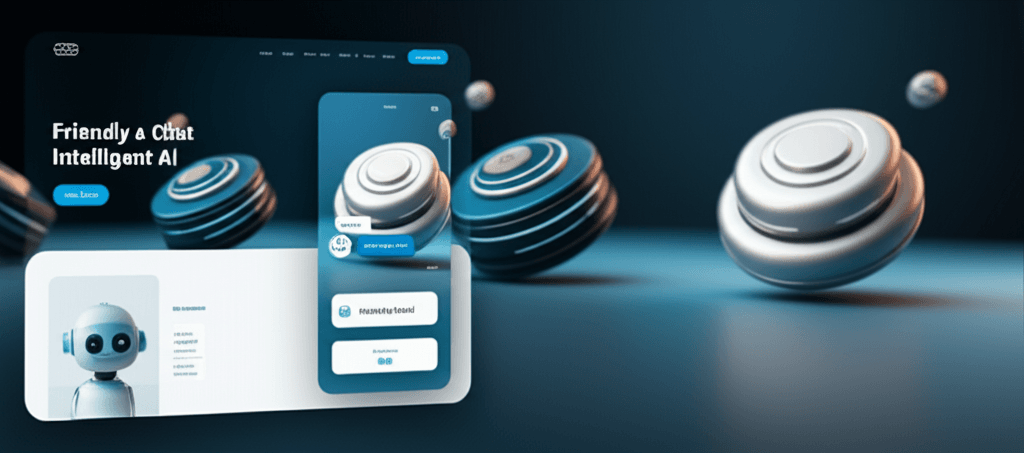
AI-powered chatbots have also evolved. They are no longer simple bots that give robotic answers. Today’s smart chatbots can handle complex customer queries, guide users through a sales process, and offer instant support 24/7. This improves customer satisfaction and allows human teams to focus on more complex issues.
By using these smart features, Sri Lankan agencies can deliver websites that do more than just look good. They can build interactive and intelligent platforms that anticipate user needs, leading to higher engagement and better business outcomes for their international clients. Understanding how the web design industry adapts to the AI age will be key to success.
Designing for Everyone: Why Accessibility (a11y) is a Commercial Imperative
Web accessibility, often shortened to “a11y,” is the practice of making your website usable by everyone, including people with disabilities. For Sri Lankan agencies serving overseas clients, this is no longer a niche feature—it is a core business requirement. Designing for accessibility means your client’s website can reach a wider audience and avoid serious legal problems.
The business case for accessibility is clear. First, it expands the potential market. Over one billion people worldwide live with some form of disability. An inaccessible website shuts the door on these potential customers, limiting your client’s revenue. Second, many countries, including the US, UK, and EU nations, have strict laws requiring digital accessibility. Non-compliance can lead to expensive lawsuits and damage a brand’s reputation. By building accessible sites, you protect your clients from these risks.
Furthermore, many accessibility practices improve Search Engine Optimization (SEO). Search engines like Google prefer websites with clear structures, descriptive image tags (alt text), and readable content—all of which are key parts of accessibility. This means an accessible site is more likely to rank higher in search results, driving more traffic.
For Sri Lankan agencies, offering services like WCAG compliance audits is a powerful way to add value. By embracing inclusive web design, you position yourself as a forward-thinking partner who understands the demands of the global market. It’s not just good ethics; it’s smart business that leads to better, more successful websites for your clients.
Peak Performance: Headless CMS and Core Web Vitals
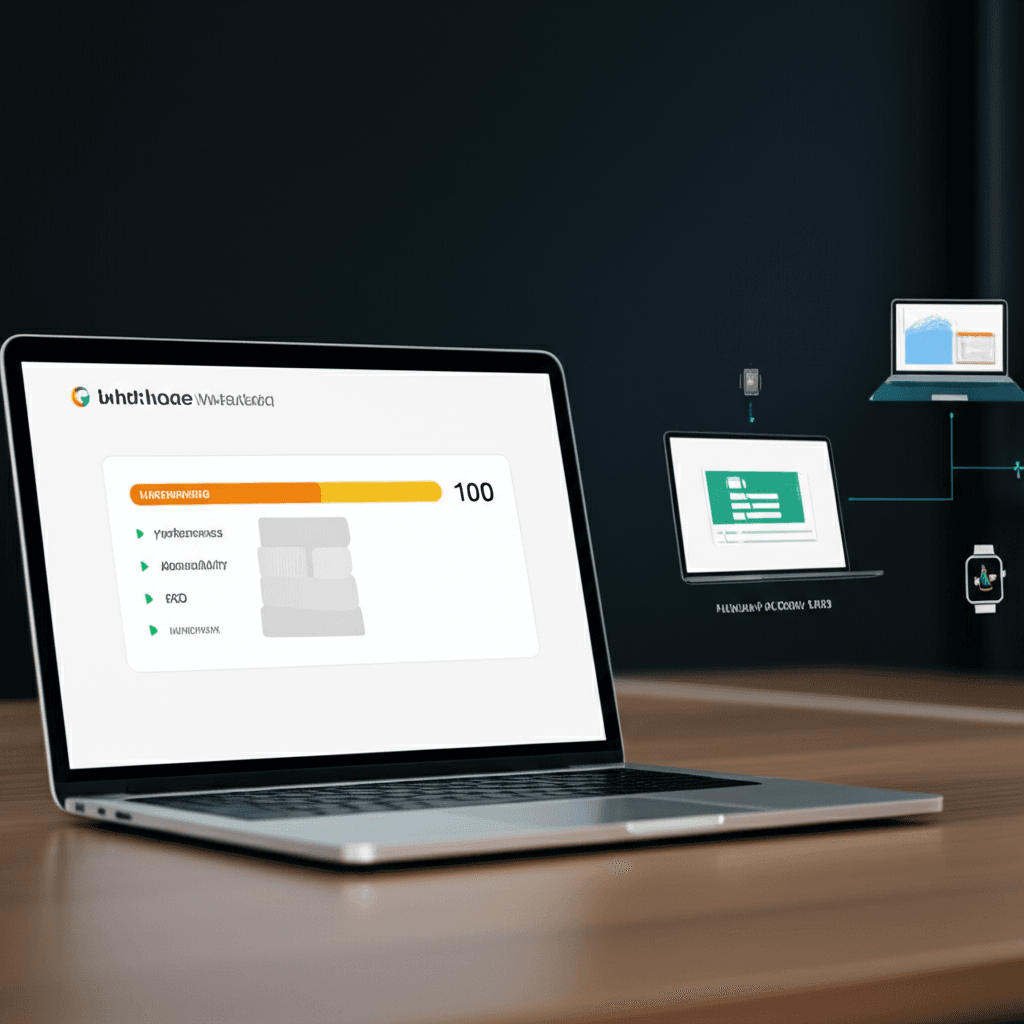
For overseas clients, website speed is not a luxury; it is a necessity. A slow website loses customers and damages search engine rankings. Google measures a site’s user experience with signals called Core Web Vitals. For Sri Lankan agencies serving international markets, mastering these signals is a powerful way to stand out. Achieving great scores shows your commitment to quality and performance.
Core Web Vitals focus on three key areas:
Loading (LCP): How quickly the main content loads on the screen.
Interactivity (INP): How fast the site responds to a user’s click or tap.
Visual Stability (CLS): Whether elements on the page shift around unexpectedly while loading.
A major trend that helps improve these scores is the headless Content Management System (CMS). Unlike a traditional CMS where the content back-end and the design front-end are tied together, a headless CMS separates them. This gives developers the freedom to build the visible part of the website with very fast, modern technologies. The front-end simply pulls content from the back-end when it needs it.
This approach directly improves site performance. Websites built this way load faster, feel more responsive, and are visually stable. By offering headless solutions, Sri Lankan agencies can deliver the high-performance sites that international clients expect. Learning to optimize Core Web Vitals is a vital skill for proving your agency can meet global standards and for building scalable portals that support your clients’ growth.
{“@context”:”https://schema.org”,”@type”:”FAQPage”,”mainEntity”:[{“@type”:”Question”,”name”:”What is the most important web design trend for Sri Lankan agencies to attract overseas clients?”,”acceptedAnswer”:{“@type”:”Answer”,”text”:”Beyond visual aesthetics, the most critical trends are technical performance and accessibility (a11y). International clients prioritize fast-loading websites that meet global accessibility standards (WCAG). This directly impacts their SEO, user experience, and legal compliance, making it a top priority.”}},{“@type”:”Question”,”name”:”How can a Sri Lankan agency effectively compete with agencies from Europe or the US?”,”acceptedAnswer”:{“@type”:”Answer”,”text”:”Sri Lankan agencies can compete by offering exceptional value through technical excellence, mastery of global trends, and proactive communication. Highlighting expertise in advanced areas like Headless CMS, AI integration, and accessibility compliance can be a powerful differentiator that goes beyond pricing.”}},{“@type”:”Question”,”name”:”Is dark mode still a relevant web design trend for international clients?”,”acceptedAnswer”:{“@type”:”Answer”,”text”:”Yes, dark mode remains a popular and highly requested feature. It is considered a modern web standard. Offering a user-selectable dark/light mode toggle is a best practice that improves user experience, especially for tech-focused audiences and users in low-light environments.”}}]}