



The Dawn of AI-Powered Diagnostics
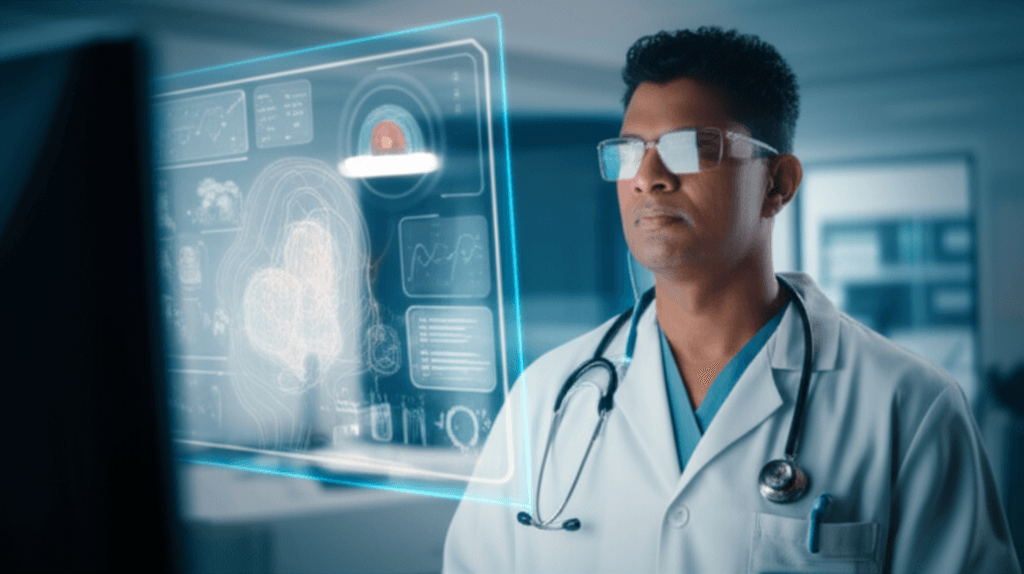
Artificial intelligence, or AI, is beginning to transform healthcare in big ways. In Sri Lanka, this technology is slowly entering hospitals and clinics, promising a new era of medical diagnosis. Think of AI as a powerful assistant for doctors. It is trained to see things in medical scans that the human eye might easily miss.
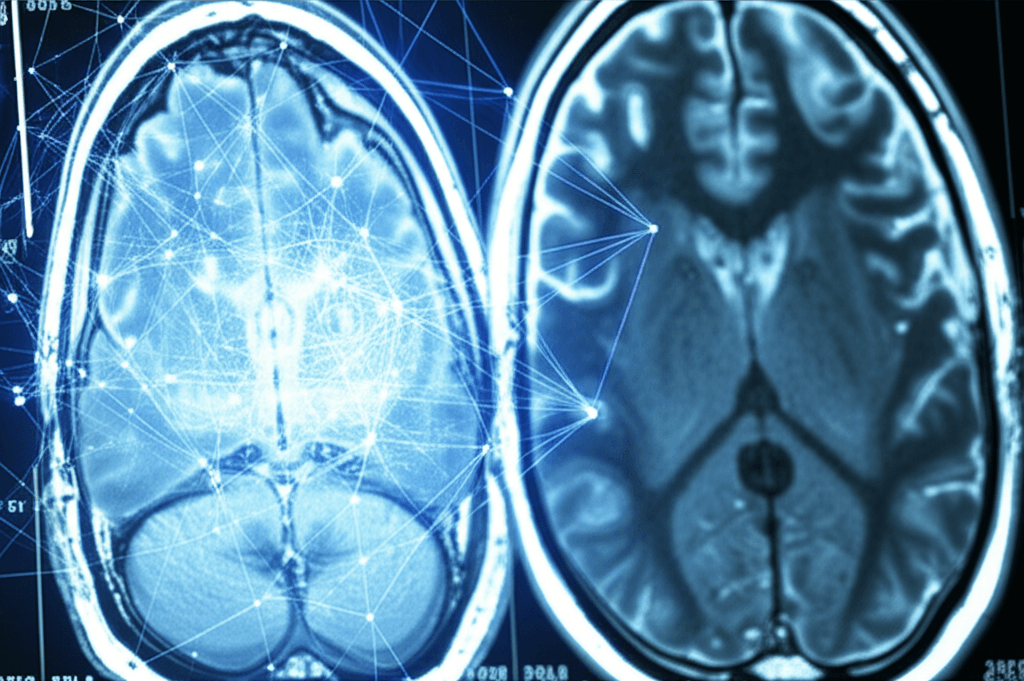
For example, AI algorithms can analyze X-rays, CT scans, and MRIs with incredible speed and accuracy. After studying thousands of images, these systems learn to identify early signs of diseases like cancer or heart conditions. This can lead to earlier detection, which often means better outcomes for patients. The goal is not to replace doctors, but to give them better tools to make faster, more informed decisions. These tools are part of a wider push for developing specific AI for healthcare solutions.
Beyond image analysis, AI can also review patient data and lab results to find subtle patterns. This helps doctors predict health risks before they become serious problems. By adopting these new tools, the entire healthcare and medical sector stands to benefit from improved efficiency and patient care. While this technology brings great hope, it also introduces new challenges for medical staff learning to work alongside it.
AI Adoption in the Sri Lankan Healthcare Landscape
Artificial intelligence (AI) is beginning to change healthcare in major ways. In Sri Lanka, this technology holds great promise for improving how doctors diagnose illnesses. AI systems can analyze medical images like X-rays and CT scans with incredible speed and accuracy. They can spot patterns that a human eye might miss, leading to earlier detection of diseases. This means patients could get the right treatment sooner, which can save lives.
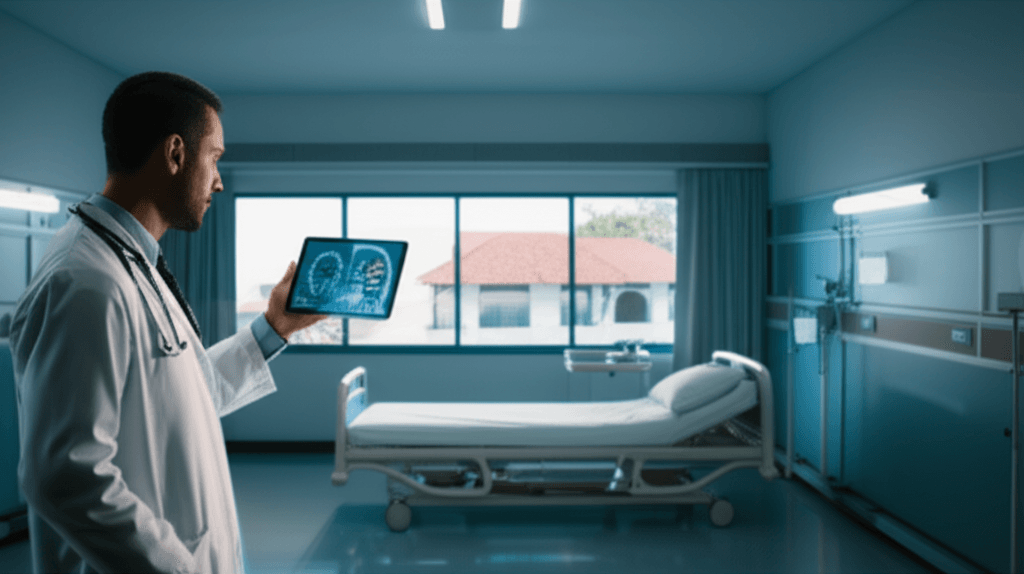
However, this new technology is not without its challenges. While AI offers powerful diagnostic tools, it is also causing disruptions in doctors’ daily routines. Many hospitals in Sri Lanka use older systems for patient records. New AI software often does not connect smoothly with this existing technology. This can force doctors to spend extra time entering data into different systems, which takes them away from patient care.
Another major issue is the need for proper training. Doctors must learn how to use these complex tools and understand their limitations. Without this knowledge, they might not trust the AI’s suggestions or could use them incorrectly. The goal is for AI to act as a helpful assistant, not another complicated task. To truly benefit, Sri Lanka must focus on integrating these tools carefully. This includes providing better training and ensuring new systems are compatible with current hospital workflows. Developing tailored AI for healthcare is key to a smooth transition.
The Workflow Quagmire: When Innovation Disrupts
Artificial intelligence promises to make medical diagnostics faster and more accurate. For Sri Lankan healthcare, this is a major step forward. But introducing powerful new technology is not as simple as plugging in a new computer. For many doctors and clinics, this innovation has created new problems, disrupting their daily routines and creating workflow challenges.

The core issue is integration. Most hospitals and labs already have digital systems for managing patient records. New AI diagnostic tools often don’t communicate well with this older software. This forces doctors to switch between multiple programs, manually re-enter data, and piece together information. This process is slow, inefficient, and increases the risk of human error. To be effective, healthcare providers need custom AI for healthcare solutions that fit smoothly into their existing environment.
Other hurdles include:
- The Steep Learning Curve: Doctors, nurses, and technicians need proper training to use and trust AI-powered tools. This takes time away from patient care. Without it, the full potential of the technology is wasted.
- Data Management Issues: AI systems need high-quality data to work correctly. Many Sri Lankan medical records are still on paper or stored in outdated formats, making it hard to feed the necessary information into the AI.
- Alert Fatigue: AI algorithms can flag dozens of potential issues in a single scan. While thorough, this can overwhelm doctors with too many alerts, making it difficult to spot the truly critical warnings.
While AI is revolutionizing diagnostics, its practical implementation requires careful planning. Overcoming these workflow disruptions is essential for ensuring that this powerful technology truly helps doctors and improves patient outcomes across Sri Lanka. Building a bridge between the new tools and old systems through smart AI-enhanced software development & integration is the key to success.
Forging a Path Forward: Towards Seamless Integration
AI offers great promise for healthcare in Sri Lanka. However, its real power is unlocked only when it works smoothly with doctors, not against them. The current disruptions show a gap between the technology and its practical use. To move forward, we must focus on building a bridge between AI developers and medical staff. The goal is to make AI a helpful partner in the daily workflow of a clinic or hospital.
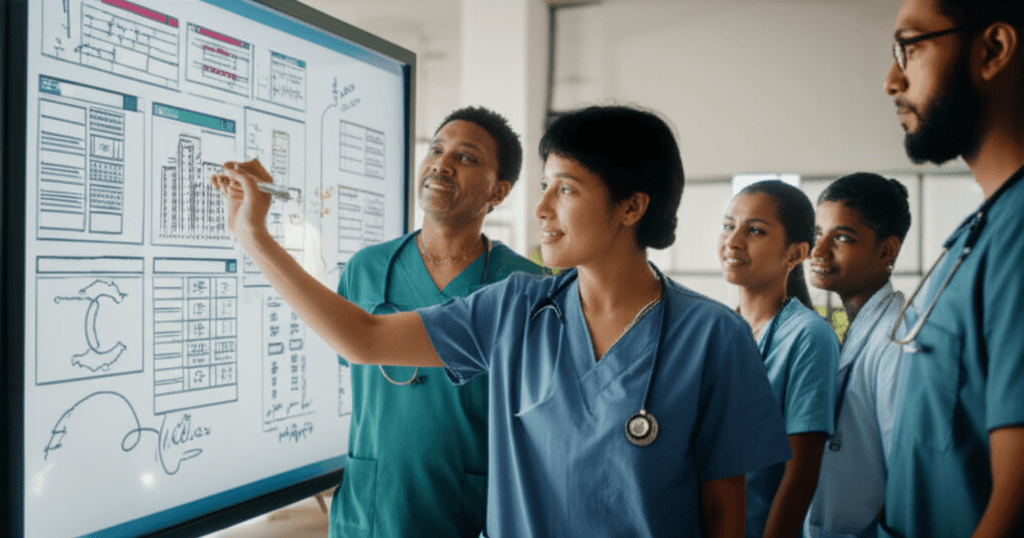
The first step is to involve doctors in the design process. Software developers must understand a doctor’s day-to-day tasks. This means creating tools that are easy to use and fit naturally into their routines. Instead of complex new steps, the AI should simplify their work. Proper training is also key. Doctors need to feel confident using these new systems and trust the results they provide. Building AI for healthcare and industry-specific solutions requires this deep collaboration from the very beginning.
Next, technical integration is vital. A new AI diagnostic tool should not be a separate island of technology. It must connect directly with existing hospital systems, like Electronic Health Records (EHRs). When systems talk to each other, doctors do not have to enter patient data multiple times. This seamless flow of information saves valuable time and reduces errors. True progress comes from smart AI-enhanced software development and integration that puts the user’s needs first.
By focusing on user-friendly design, providing solid training, and ensuring systems connect smoothly, Sri Lanka can overcome these early challenges. A joint effort between the tech industry and healthcare professionals will ensure that AI tools support doctors, improve patient care, and truly revolutionize medicine across the country.
- Ethics and governance of artificial intelligence for health (World Health Organization) – A comprehensive report outlining the principles and challenges of implementing AI technologies ethically and effectively in global health settings.
- Artificial intelligence in healthcare (Wikipedia) – A broad overview of the applications, benefits, and risks of using AI for diagnostics, treatment, and administrative workflows.
- AI in health care: What it takes to get it right (American Medical Association) – An industry perspective on the practical steps and considerations needed to successfully integrate AI into clinical practice without disrupting physician workflows.
- How AI is shaping the future of healthcare in Sri Lanka (Readme.lk) – An article detailing the specific progress and adoption of AI within the Sri Lankan healthcare sector, highlighting local initiatives and challenges.