Payment Gateways Sri Lanka: Secure Integration for Colombo Online Stores
Why a Secure Payment Gateway is a Game-Changer for Colombo eCommerce
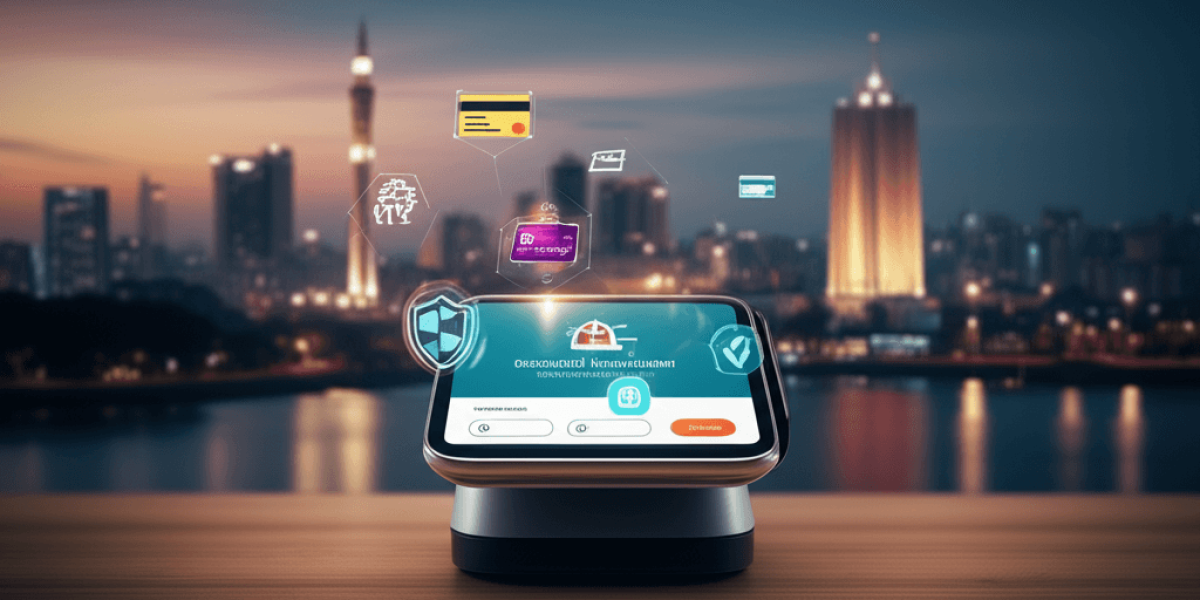
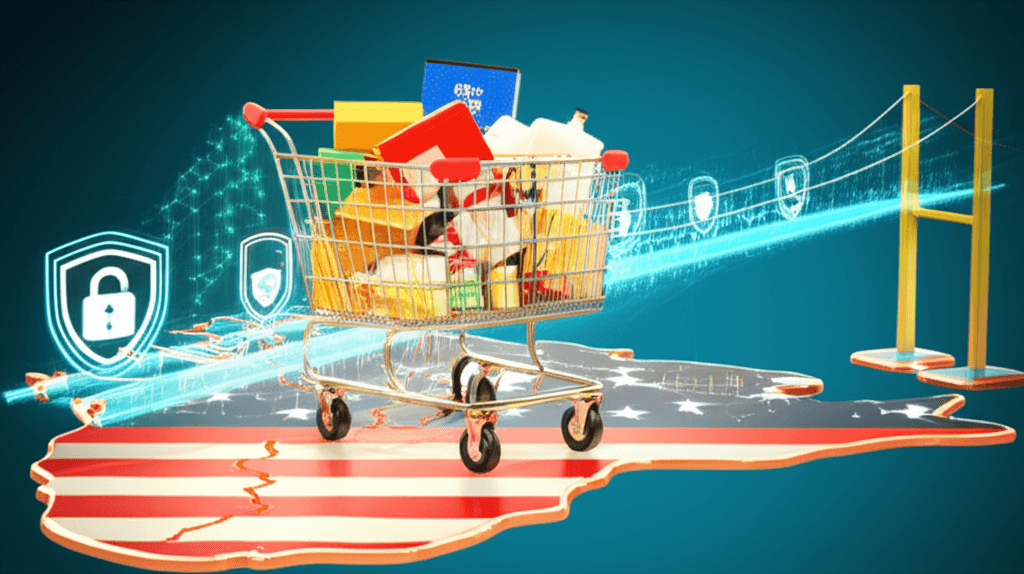
For any online store in Colombo, building trust with customers is the key to success. A secure payment gateway acts like a digital bodyguard for your business. It is the safe bridge that connects your website, your customer, and the bank to process payments. When shoppers know their credit card information is protected, they feel confident enough to click the “buy” button.
A reliable gateway does more than just keep data safe; it directly boosts sales. A complicated or untrustworthy checkout process is a major reason why customers abandon their shopping carts. By offering a smooth and simple payment experience, you encourage more visitors to complete their purchase. This includes providing popular local payment options. Supporting localized payments like FriMi and Dialog Axiata can make a huge difference in converting Sri Lankan shoppers.
Beyond customer trust, a good payment gateway makes your business operations easier. It automates payment collection, which saves you valuable time and reduces costly errors. This allows you to focus on growing your business instead of manually tracking payments. For businesses with ambitions beyond Sri Lanka, the right gateway is essential. It can help you set up a multi-currency store to serve international customers, opening up a world of new opportunities.
In today’s competitive market, a secure payment gateway is not an optional extra. It is a fundamental tool that protects your customers, increases your revenue, and prepares your Colombo eCommerce store for future growth.
Comparing the Top Payment Gateways in Sri Lanka
Choosing the right payment gateway is a big step for your Colombo online store. It is a key part of building scalable WordPress portals. The right choice affects your costs, the payment options you can offer, and how easy it is for customers to buy from you. Let’s look at some popular choices in Sri Lanka to help you decide.
PayHere
PayHere is a popular choice, especially for new businesses and startups. It is known for its quick and easy setup process. They accept many payment types, including Visa, Mastercard, Amex, FriMi, and ezCash. This gives your customers a lot of flexibility. PayHere has clear pricing with a small fee for each successful transaction and no setup costs for their basic plan.
WEBXPAY
WEBXPAY is another strong option for Sri Lankan stores. They offer a wide range of services beyond just payments, such as tools for invoicing and creating simple online stores. They support local and international cards, making them a good choice if you plan to sell overseas. Their fee structure is also based on transactions, and they provide good support for integration with platforms like Shopify and WooCommerce.
Direct Bank Gateways
Major banks like Sampath Bank, HNB, and Commercial Bank also offer their own payment gateways. These can sometimes have lower transaction fees if you have a high sales volume. However, the setup process can be longer and may require more paperwork. They are often a good fit for larger, more established businesses that already have a strong relationship with the bank.
A Step-by-Step Guide to Secure Gateway Integration
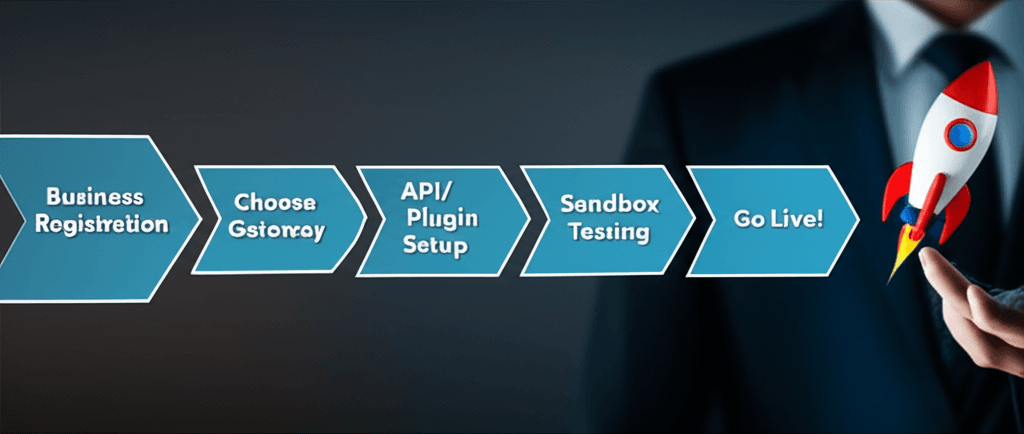
Adding a payment gateway to your Colombo online store is a big step. Doing it securely is crucial for protecting your customers and your business. A wrong move can put sensitive data at risk. Follow these simple steps to ensure a safe and smooth integration for your website.
Choose a Trusted Gateway: Start by selecting a reputable payment gateway provider in Sri Lanka. Look for one that is well-known, offers strong security features like fraud detection, and supports local payment methods.
Get Your API Keys: After you sign up, the gateway will give you API keys. Think of these as a secret username and password that let your website talk to the payment service. Keep your “secret key” safe and never share it publicly.
Use Official Plugins: If your e-commerce store runs on a platform like WordPress with WooCommerce, always use the official plugin provided by the payment gateway. These plugins are built to work securely with platforms like the ones discussed in building scalable WordPress portals, reducing the risk of errors and security gaps.
Set Up SSL Encryption: Your entire website must have an SSL certificate. This makes your URL start with “https://” and shows a padlock icon in the browser. SSL encrypts customer data, like credit card numbers, making it unreadable to hackers.
Test in a Safe Environment: Before going live, test everything on a staging (test) site, not your live one. Run test transactions to check for successful payments, failed payments, and refunds. This confirms everything works correctly without affecting real customers.
Go Live and Monitor: Once you are confident that everything works, you can activate the gateway on your live store. Keep a close eye on the first few transactions to catch any unexpected issues early on.
Proper integration is just the beginning. Regular security checks and updates are vital to keep your store protected. Ongoing care ensures your payment system remains secure against new threats, which is a key part of any good e-commerce maintenance package.
Optimizing Payments for the Sri Lankan Market
Choosing the right payment gateway is only the first step. To truly succeed, your Colombo online store must tailor its payment options to the habits of Sri Lankan shoppers. Understanding local preferences can significantly reduce abandoned carts and increase your sales.
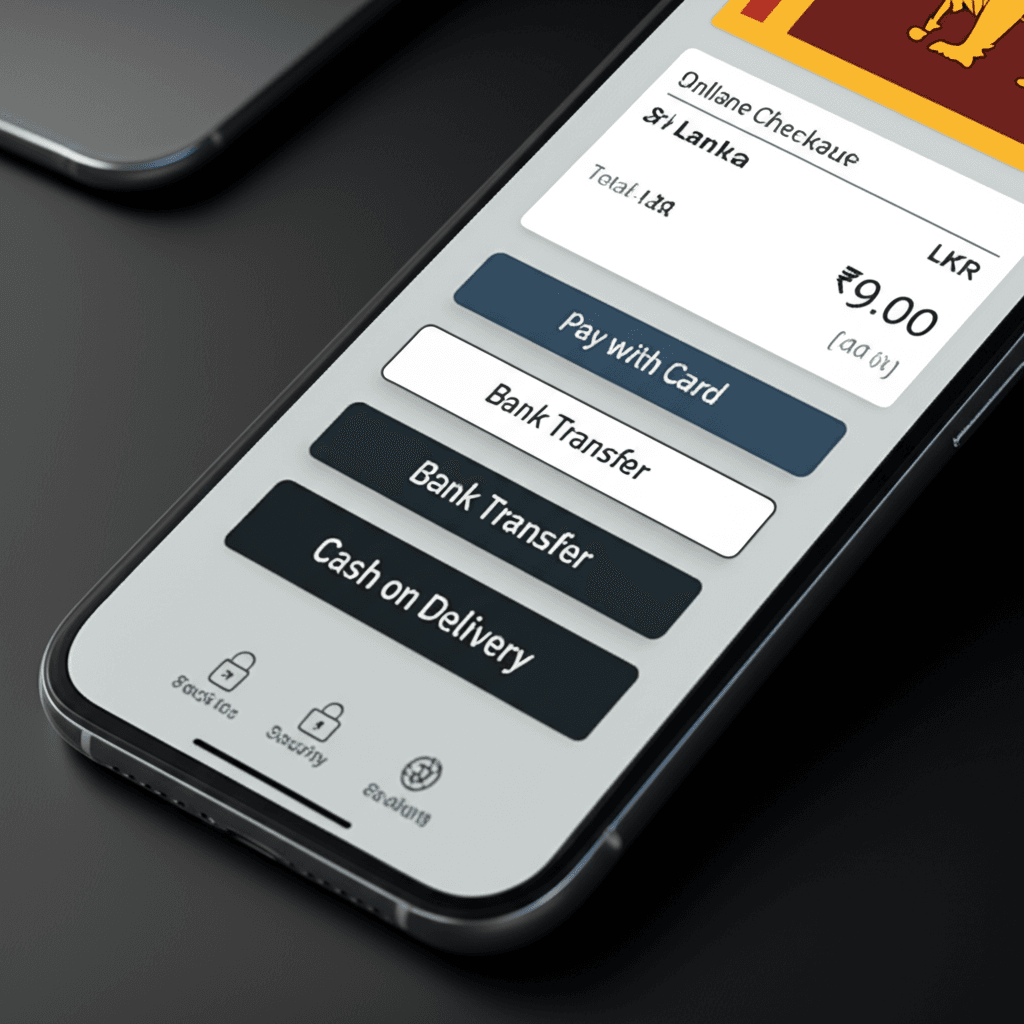
While accepting international credit cards like Visa and Mastercard is essential, many local customers prefer other methods. Integrating popular mobile wallets and online banking systems builds trust and reaches a wider audience. Options like FriMi, EZ Cash, mCash, and direct bank transfers are familiar and widely used across the country. Meeting these emerging client needs for localized payments shows customers you understand the local market.
Here are key areas to focus on for optimization:
Offer a Mix of Options: Provide a balanced checkout that includes credit/debit cards, mobile payments, and bank transfers. For higher-priced items, offering installment plans through local banks like HNB, Sampath, or Commercial Bank can be a powerful sales tool.
Prioritize Mobile Experience: Most Sri Lankans browse and shop on their phones. Your payment process must be smooth and simple on a small screen. Complicated forms or too many steps will cause users to leave.
Be Transparent with Costs: Always display prices clearly in Sri Lankan Rupees (LKR). If you sell to international customers, consider a multi-currency WooCommerce setup, but make LKR the default for local shoppers. Avoid surprising customers with hidden fees at the final step.
By optimizing your payment system for local behaviors, you create a seamless and trustworthy shopping experience that encourages both first-time buyers and repeat customers.
{“@context”:”https://schema.org”,”@type”:”FAQPage”,”mainEntity”:[{“@type”:”Question”,”name”:”What is the best payment gateway in Sri Lanka for a small business?”,”acceptedAnswer”:{“@type”:”Answer”,”text”:”For small businesses and startups in Colombo, Payhere and WebXPay are highly recommended. They generally have no or low setup fees, transparent transaction rates, and offer easy integration options, making them ideal for getting started quickly.”}},{“@type”:”Question”,”name”:”Do I need a registered business to get a payment gateway in Sri Lanka?”,”acceptedAnswer”:{“@type”:”Answer”,”text”:”Yes, all major payment gateways in Sri Lanka require a valid Business Registration Certificate (BRC) to open a merchant account. This is a standard requirement to ensure compliance and security.”}},{“@type”:”Question”,”name”:”What are the typical transaction fees for payment gateways in Sri Lanka?”,”acceptedAnswer”:{“@type”:”Answer”,”text”:”Transaction fees, also known as the Merchant Discount Rate (MDR), typically range from 2.5% to 4% per transaction. The exact rate depends on the gateway provider, your monthly transaction volume, and the type of card used (e.g., Amex cards often have a higher rate).”}},{“@type”:”Question”,”name”:”What is PCI DSS compliance and why is it important?”,”acceptedAnswer”:{“@type”:”Answer”,”text”:”The Payment Card Industry Data Security Standard (PCI DSS) is a set of security standards for organizations that handle credit card information. Using a PCI DSS compliant gateway is crucial as it ensures that your customers’ sensitive data is protected against fraud, which is vital for building trust and credibility for your Colombo online store.”}}]}