




The Crisis Brewing in Ceylon Tea
For over 150 years, Ceylon tea has been a symbol of Sri Lanka. Known for its rich flavor and bright color, it is famous around the world. The tea industry provides jobs for millions of people and brings vital income to the country. But today, this historic industry faces serious trouble. A perfect storm of problems is threatening its future.
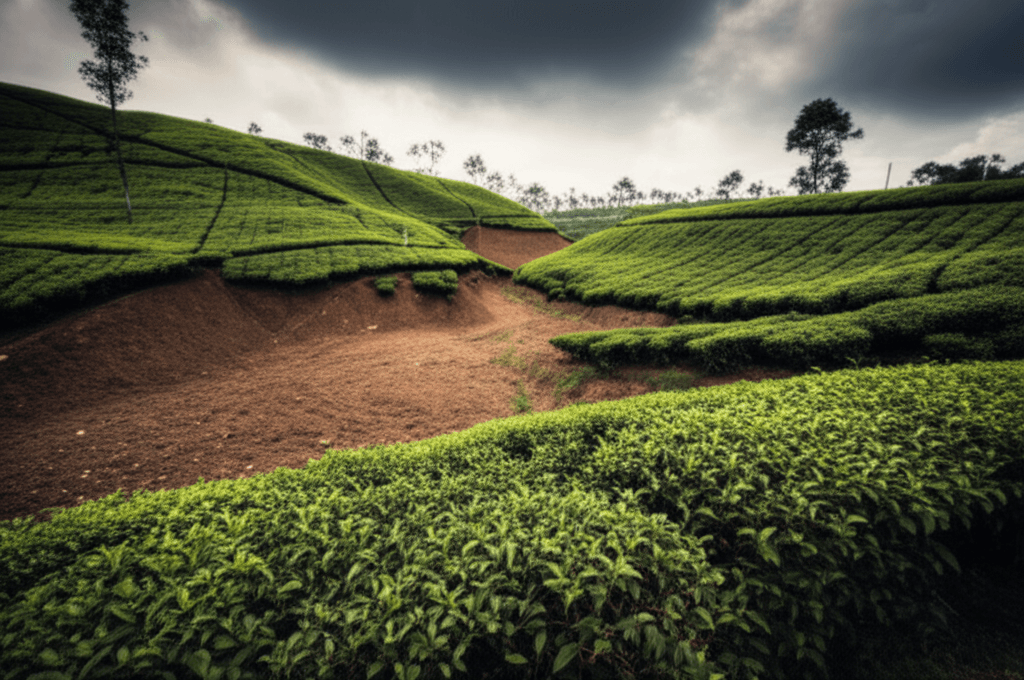
One of the biggest issues is the rising cost of labor. Tea picking is hard work, and finding people willing to do it is becoming more difficult. The workforce is getting older, and younger generations often seek jobs in cities instead. At the same time, the cost of fertilizer and other supplies has gone up, squeezing the profits of plantation owners. Unpredictable weather, caused by climate change, also hurts the tea bushes with long droughts and sudden, heavy rains. This leads to smaller harvests and lower quality tea.
These challenges make it hard for Sri Lankan tea to compete in the global market. With shrinking profits and inconsistent quality, the entire industry is at risk. This affects everyone from the workers in the fields to the companies that manage tea and spice export businesses. The old ways of farming are no longer enough to keep Ceylon tea on top. Plantation owners know they must find new solutions to survive, or risk losing a national treasure.
Precision Agriculture: A Technological Infusion
Precision agriculture brings modern technology into farming. Think of it as farming with data. Instead of treating a whole field the same, farmers can now care for small parts of it differently. This smart approach is changing Sri Lanka’s tea plantations, helping them become more efficient and sustainable.

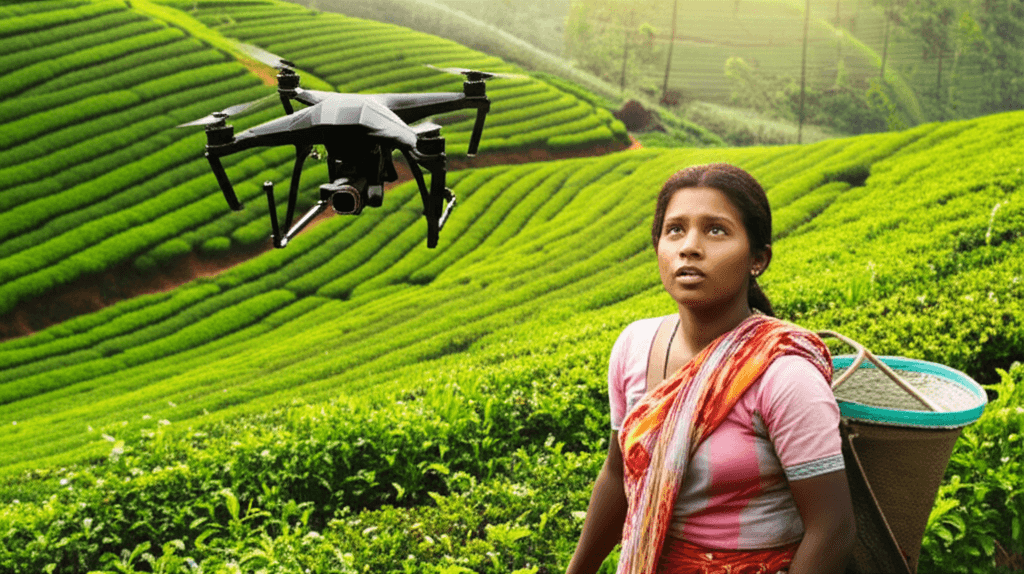
Drones now fly over the rolling hills of tea bushes. They carry special cameras that can spot sick plants or pest attacks early. Sensors in the soil tell planters exactly when and how much to water the crops. This means less wasted water and fertilizer. As a result, tea estates get higher yields and better quality leaves. This technology helps the industry survive challenges like climate change and rising costs.
However, this progress has a human cost. The new tools are replacing jobs that have existed for generations. A drone operator now does the work that a team of field walkers once did. This shift creates a difficult situation for traditional laborers, reflecting a wider trend of AI’s double edge across many sectors. While technology can empower an agricultural business, it also forces a painful change for its workforce. The main challenge is finding new ways for these skilled laborers to contribute in a modern tea industry.
The Human Cost of Automation
While new technology is helping tea estates survive, it comes at a high price for many people. For generations, the hills of Sri Lanka have been home to skilled tea pluckers. Their hands, quick and precise, have been the heart of the world-famous Ceylon tea industry. This work is more than just a job; it is a way of life passed down through families.
Now, drones and automated harvesters are changing the landscape. These machines can do the work of many people, often faster and with more consistency. But for every machine added to the fields, many workers may lose their source of income. Families who have only known tea work suddenly face an uncertain future. They have deep knowledge of the tea plants, but these traditional skills are not needed to operate the new machines.
This shift from human skill to machine efficiency is a difficult one. Finding new jobs in rural areas is not easy, especially for older workers. The change affects entire communities that were built around the rhythm of the tea harvest. This situation highlights the two sides of progress. While it creates new, high-skill roles in some areas, it can also leave traditional workers behind. This challenge is not unique to farming; it shows AI’s double edge across many industries. Sri Lanka must find a way to support these displaced workers as the world of work continues to change.

Forging a Sustainable Path Forward
The move to precision farming in Sri Lanka’s tea plantations presents a major challenge. While new technology helps save water and increase crop yields, it also means that many traditional jobs, like hand-picking tea leaves, are disappearing. This creates a difficult situation for workers who have spent their lives in the fields. Ignoring this human cost is not an option for a truly sustainable industry.
The solution is not to avoid technology, but to embrace the change with careful planning. The tea estates of the future will need new types of workers. Instead of manual laborers, they will need skilled technicians who can operate drones, maintain soil sensors, and analyze data to make smart farming decisions. This shift from physical work to technical knowledge opens up new opportunities for the next generation.
To make this transition successful, both the government and plantation owners must invest in people. Retraining programs can help displaced workers learn the skills needed for these new, higher-paying jobs. This challenge is not unique to agriculture. Across Sri Lanka, technology is reshaping industries and creating a similar need for new skills, as seen in the software development field with the rise of artificial intelligence. You can learn more about how [AI’s Double Edge: Job Losses vs New High-Skill Roles](https://www.joomlasrilanka.com/blog/ais-double-edge-job-losses-vs-new-high-skill-roles-for-sri-lankan-software-engineers-in-2026/) is affecting other sectors.
By focusing on education and creating clear pathways to new careers, Sri Lanka can ensure its tea industry thrives without leaving its workforce behind. This balanced approach will protect both the heritage of Ceylon tea and the livelihoods of the people who produce it.

References
- Precision agriculture – Wikipedia
- “Sri Lanka Tea Sector 2024 Outlook: Modernization and Market Challenges.” Asia Development Bank.
- “The Future of Work in Rural Economies: Automation’s Impact on Agricultural Labor.” International Labour Organization (ILO) Report, 2023.
- “Drones and AI Sensors Boost Yields in Sri Lankan Tea Estates.” Global Farming Technology News.