Redesigning Tourism Websites Sri Lanka: Boost Bookings with Modern Design
The Conversion Killer: Why Outdated Sri Lankan Tourism Websites Fail
Sri Lanka offers amazing experiences, from sunny beaches to ancient cities. But many local tourism websites are stuck in the past. This old-fashioned design is a “conversion killer.” It stops excited travelers from becoming paying customers. Your website is your digital front door. If it is slow, confusing, and broken, visitors will leave before they ever book.
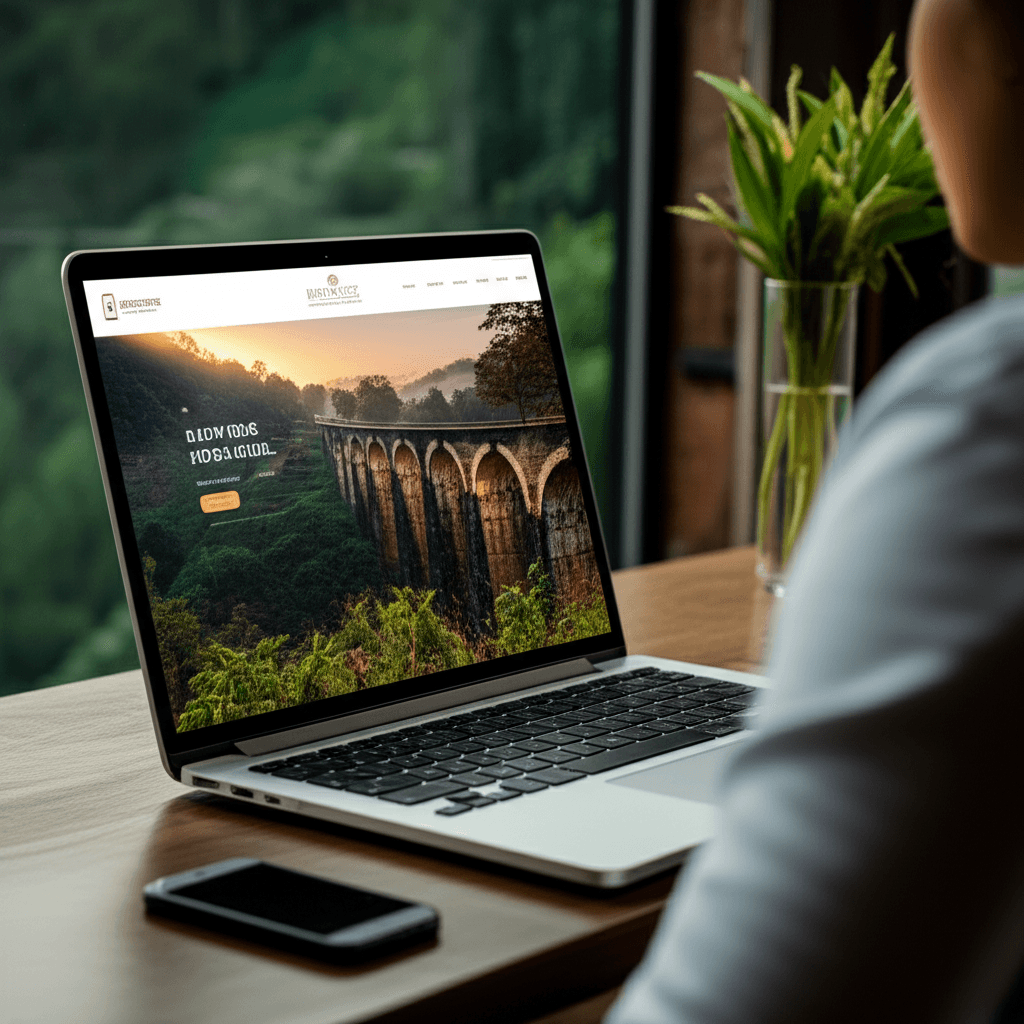
The first problem is speed and mobile use. Most tourists plan trips on their smartphones. If your website loads slowly or looks terrible on a small screen, you lose their interest in seconds. A modern website must be fast and responsive. Focusing on technical health, such as optimizing Core Web Vitals, is no longer optional—it is essential for ranking on Google and keeping users happy.
Beyond speed, outdated sites destroy trust. Low-quality, pixelated photos fail to show the beauty of your hotel, tour, or location. Confusing navigation makes it hard for users to find prices, itineraries, or a contact number. When a customer struggles to find basic information, they assume your business is unprofessional. They will quickly move on to a competitor with a cleaner, more modern site.
Finally, a difficult booking process is the last nail in the coffin. If a user decides to buy, but your booking form is complicated or you lack secure payment options, they will abandon their cart. A seamless and secure checkout is key to turning interest into income. By ignoring modern web design trends, you are actively turning away business and letting your competitors win.
The Blueprint for Success: Core Principles of Modern Travel Web Design
A great website is like a skilled tour guide. It shows visitors the best sights and makes the journey simple and enjoyable. To turn website visitors into paying customers, your Sri Lankan tourism site must be built on a solid foundation. These core principles are the blueprint for a website that boosts bookings.
* Powerful Visual Storytelling: Travel is sold on dreams and emotions. Use high-quality, stunning photos and videos of Sri Lanka’s golden beaches, misty mountains, and vibrant culture. Show visitors the experiences they can have. Your website should be a visual invitation that makes them want to pack their bags immediately.
* Mobile-First Design: Today, most travelers plan and book their trips on smartphones. Your website must look amazing and function perfectly on a small screen. If users have to pinch and zoom to read text or tap tiny buttons, they will quickly leave for a competitor’s site.
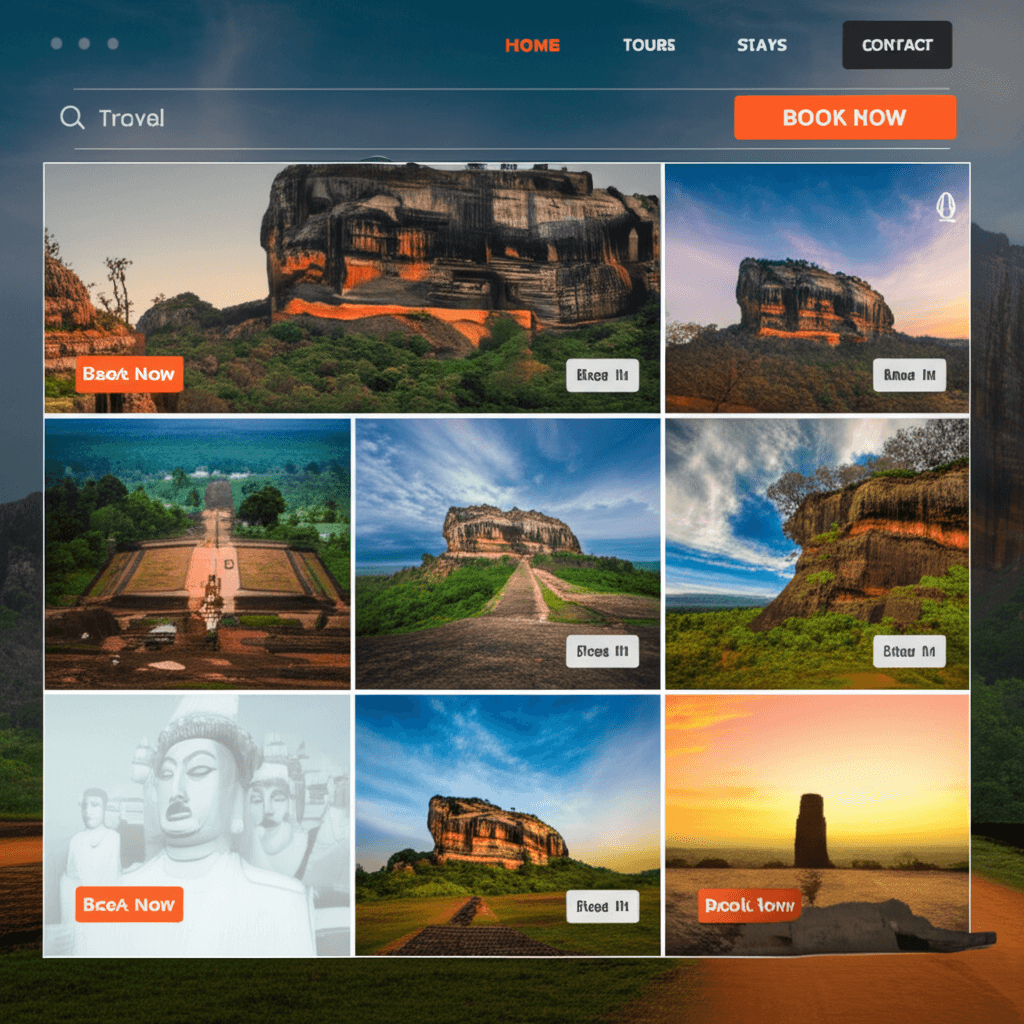
* Simple and Clear Booking Process: Your main goal is to secure bookings. The path from browsing your tours to final payment must be fast and easy. Use obvious “Book Now” buttons and a clean, simple checkout form. A complicated process is the fastest way to lose a sale. Integrating localized payment methods can also build trust and simplify transactions.
* Speed and Performance: A slow website kills interest. Modern users expect pages to load in under three seconds. A fast, responsive website keeps visitors engaged and encourages them to explore more. This is why optimizing your site for high performance is critical for success.
* Build Trust with Social Proof: Travelers need to trust you before they book. Display genuine reviews and testimonials from happy customers. Be transparent with your pricing and avoid hidden fees. A professional design with clear contact information makes visitors feel confident and secure.
From Looker to Booker: Essential Features to Drive Conversions
A beautiful website gets attention, but smart features get bookings. To succeed, a modern Sri Lankan tourism website must do more than just show pretty pictures. It needs to guide visitors smoothly from browsing to booking. Turning a “looker” into a “booker” depends on a few essential elements that build trust and make the process easy.
Seamless Booking and Payment System
The most important step is the booking itself. If it’s confusing or slow, you will lose customers. Your site needs a simple booking engine with a clear calendar showing available dates. Prices should be upfront, with no surprise fees at the end. To build confidence, offering secure and diverse payment options is vital. Integrating localized payments for Sri Lankan users and trusted international gateways makes everyone feel secure.
Trust Signals and Social Proof
Travelers trust other travelers. Displaying genuine reviews, testimonials, and ratings from past guests is powerful. Seeing that others had a wonderful experience reduces hesitation and encourages new bookings. Clear contact information, an FAQ page, and transparent policies also show that your business is trustworthy and professional.
Clear Calls-to-Action (CTAs)
Finally, you must tell users exactly what to do next. Strong, visible CTA buttons like “Book Now,” “Check Availability,” or “Plan Your Trip” should be placed throughout your site. These buttons guide users along their journey and make it simple for them to take the final step. A fast, responsive website is crucial, as a slow page can stop a booking in its tracks. Ensuring your site has optimized core web vitals keeps the booking process quick and frustration-free.
Ready for a Revamp? Your Sri Lanka Website Redesign Checklist
A website redesign can feel like a huge task. But with a clear plan, you can create a site that attracts more visitors and increases bookings. This simple checklist will guide you through the key steps for your Sri Lankan tourism business.
Define Your Goals: What is the main purpose of your new website? Do you want more direct bookings, more tour inquiries, or to showcase your hotel’s unique features? Knowing your goals helps guide every design decision.
Know Your Audience: Who are you trying to reach? Are they backpackers, luxury travelers, or families? Design your site with their needs and preferences in mind.
Focus on Stunning Visuals: Travel is visual. Use high-quality, professional photos and videos of Sri Lanka’s beautiful landscapes, your property, and happy guests. Poor images can turn potential customers away.
Prioritize Mobile Users: Most travelers plan and book trips on their smartphones. Your website must look great and be easy to use on a small screen. A mobile-first approach is essential.
Simplify the Booking Process: Your booking engine should be simple, fast, and secure. A complicated process leads to abandoned carts. Make it easy for visitors to give you their business.
Ensure Fast Loading Speeds: A slow website frustrates users and hurts your search engine ranking. A fast site provides a better experience and keeps visitors engaged. Focus on optimizing core web vitals for the best performance.
Plan for the Future: A new website needs care after it launches. Regular updates, security checks, and backups are vital. Consider a website maintenance plan to keep your site running smoothly and securely.
{“@context”:”https://schema.org”,”@type”:”FAQPage”,”mainEntity”:[{“@type”:”Question”,”name”:”How much does it cost to redesign a tourism website in Sri Lanka?”,”acceptedAnswer”:{“@type”:”Answer”,”text”:”The cost varies greatly depending on the complexity, features like a booking engine, and the amount of custom design work. A simple redesign might start from a few hundred thousand LKR, while complex, bespoke sites can cost significantly more. We offer [custom quotes](/get-a-quote/) based on your specific needs.”}},{“@type”:”Question”,”name”:”How long does a website redesign take?”,”acceptedAnswer”:{“@type”:”Answer”,”text”:”Typically, a standard tourism website redesign project takes between 6 to 12 weeks, from initial strategy and design to development and launch. This timeline depends on the project’s scope and the speed of providing content and feedback.”}},{“@type”:”Question”,”name”:”Why is a mobile-friendly website so important for Sri Lankan tourism?”,”acceptedAnswer”:{“@type”:”Answer”,”text”:”The majority of travelers now research and even book their trips on smartphones. A website that is difficult to use on a mobile device will lose potential customers to competitors with a better mobile experience, directly impacting your bookings and revenue.”}}]}