Website Security for Ecommerce Sites in Gampaha: SSL + Beyond
The Foundation: Why SSL is Non-Negotiable for Gampaha Businesses
Imagine sending your credit card details on a postcard for everyone to see. Running an e-commerce website without an SSL certificate is just like that. For any business in Gampaha selling online, SSL is not just a feature; it is the essential foundation of trust and security.
SSL stands for Secure Sockets Layer. It is a technology that creates a secure, encrypted link between your customer’s browser and your website. You can tell a site has SSL in two ways: a small padlock icon appears next to the web address, and the address itself starts with “https://” instead of just “http://”.
Here’s why this is non-negotiable for your Gampaha online store:
It Protects Customer Data: When a customer enters their name, address, or credit card number, SSL scrambles this information. This makes it unreadable to hackers who might try to steal it. Protecting this data is critical, especially when handling localized payments or international transactions.
It Builds Trust: Modern shoppers are smart. They look for the padlock. If they don’t see it, they won’t trust your site with their money. That padlock is a powerful signal that tells customers your business is professional and cares about their safety.
It’s Required by Google: Google actively warns users when they visit a site without SSL, displaying a “Not Secure” message. This warning can scare potential customers away before they even see your products. Furthermore, Google ranks secure sites higher in search results.
In short, SSL is a basic requirement. It is a key part of what it really takes to create a successful website that attracts and keeps customers. Without it, your business is losing sales and putting its reputation at risk.
Beyond the Padlock: Hardening Your Ecommerce Platform
An SSL certificate puts a padlock in your customer’s browser. It shows that the connection between them and your website is private. But for a Gampaha e-commerce store, real security is more than just that padlock. Hackers are always looking for ways to attack online shops. You need to build stronger defenses to protect your business and your customer’s important data.
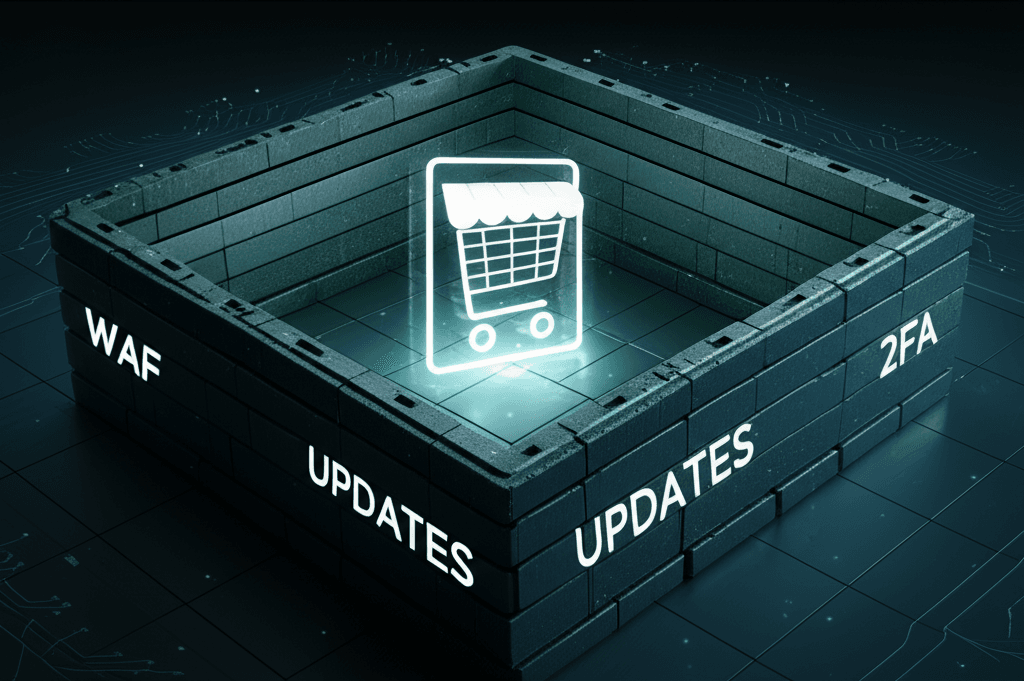
Think of your website’s security as layers of protection. Here are key steps to harden your platform beyond the basics:
Keep Everything Updated: Your e-commerce system (like WordPress and WooCommerce), themes, and plugins need regular updates. These updates often fix security holes that hackers could use to break in. Outdated software is one of the most common reasons websites get hacked.
Use Strong Passwords and User Roles: Simple passwords are easy to guess. Make sure all admin and user passwords are long and complex. Limit who has administrator access to your site. Not every employee needs full control.
Install a Web Application Firewall (WAF): A WAF acts like a security guard for your website. It filters and blocks bad traffic and common hacking attempts before they can do any damage to your store.
Choose Secure Payment Gateways: Never handle credit card information directly on your server. Always use trusted payment processors that are secure and compliant. Integrating reliable localized payments for Sri Lankan DTC brands is a smart and safe way to handle transactions.
Protecting your online store is an ongoing job, not a one-time task. Consistent security checks and updates are vital for success. Investing in a professional website maintenance package can handle these technical tasks for you, giving you peace of mind to focus on growing your business.
Protecting Payments: Secure Gateways for Sri Lankan Transactions
While an SSL certificate protects data traveling to and from your website, the actual payment process needs another layer of security. This is where a secure payment gateway comes in. Think of it as the digital version of a credit card machine for your Gampaha-based online store. It safely handles your customer’s sensitive credit card information.
A payment gateway connects your website to the bank to approve transactions. By using a trusted gateway, you never have to store credit card details on your own server. This greatly reduces your risk and liability. These services are built to meet high security standards, like PCI DSS compliance, which are rules designed to prevent fraud.
For Sri Lankan businesses, choosing a reliable local gateway is key to building customer trust. Companies like PayHere and WEBXPAY are popular choices. They integrate smoothly with e-commerce platforms like WooCommerce and support various payment methods. This includes not just credit cards but also popular localized payments for Sri Lankan brands. Offering familiar options makes customers more likely to complete their purchase.
Choosing the right gateway also prepares your business for growth. If you plan to sell products internationally, you will need a system that can handle different currencies. A robust payment gateway is a core part of a successful multi-currency WooCommerce setup. In short, a secure gateway protects your customers, builds your reputation, and simplifies the most important part of your business: getting paid.
Be Prepared: Monitoring, Backups, and Recovery Planning
Even with the best security, problems can still happen. A strong defense includes being ready for the worst. For any e-commerce business in Gampaha, this means watching your site closely, keeping copies of it, and having a plan to fix things quickly if they go wrong.
Constant Monitoring: You need to watch your website for any strange activity. This includes checking for hacking attempts, malware, and unexpected downtime. Many tools can automatically scan your site 24/7 and alert you to problems. Catching issues early can prevent major damage and protect your customer data.
Regular Backups: Think of backups as an insurance policy for your online store. If your site is hacked or breaks, a recent backup can get you back online fast. Your backups should be automatic, happen daily, and be stored in a separate, secure location—not on the same server as your website. This ensures you always have a clean copy to restore.
A Clear Recovery Plan: What will you do if your site goes down? A disaster recovery plan answers this question before you are in a panic. It should list the steps to take, who to contact, and how to use your backup to restore the site. This plan saves valuable time and money by reducing how long your store is offline.
Managing these tasks can be time-consuming. Many Sri Lankan business owners work with web agencies that offer website maintenance packages. These services handle monitoring, backups, and security updates so you can focus on growing your business.
{“@context”:”https://schema.org”,”@type”:”FAQPage”,”mainEntity”:[{“@type”:”Question”,”name”:”What is the most important first step to secure my ecommerce website in Gampaha?”,”acceptedAnswer”:{“@type”:”Answer”,”text”:”The absolute first and most critical step is to install an SSL certificate. This enables HTTPS, encrypts data between your customers and your server, builds essential trust with the padlock icon, and is a basic requirement for accepting online payments.”}},{“@type”:”Question”,”name”:”How often should I back up my online store?”,”acceptedAnswer”:{“@type”:”Answer”,”text”:”For an active ecommerce website with regular orders, daily automated backups are the standard. This ensures that in the event of a security issue or data loss, you can restore your site with minimal disruption and loss of transaction data.”}},{“@type”:”Question”,”name”:”Is an SSL certificate enough to protect my website from hackers?”,”acceptedAnswer”:{“@type”:”Answer”,”text”:”No. While SSL is essential for encrypting data in transit, it does not protect your website from other vulnerabilities. You need a layered approach that includes a Web Application Firewall (WAF), regular software updates, strong passwords, and secure hosting. [Our security services] offer a comprehensive solution.”}}]}