Have you ever spent a whole afternoon replying to “how much?” comments and DMs on your Facebook page, only for the customer to ghost you? It’s frustrating, right? I think that’s the moment many Gampaha business owners realize they need something more professional—their own online store where the price is clear and a sale can happen in just a few clicks.
While marketplaces are an option, building your own site with WooCommerce gives you total control. You aren’t just another seller; you’re building a brand. Plus, from my experience, it integrates so well with essential local payment gateways like PayHere and WebXPay, which is a huge win over some international platforms that have higher transaction fees and settlement delays.
So, what does a great Sri Lankan ecommerce site actually look like in 2026? Instead of just giving you a generic list, I’m going to show you some of the best local examples. We’ll break down exactly what makes their WooCommerce setup work so you can borrow their best ideas for your own Gampaha-based business.
The 2026 Sri Lankan Ecommerce Landscape: Why Gampaha is a Rising Star
I’ve been watching the Sri Lankan market for years, and honestly, the digital shift we’ve seen since the economic reset is staggering. By 2026, I think we’re not just looking at recovery; we’re looking at a completely rewired consumer culture. People got a crash course in online shopping, and they’re not going back. Forget the big picture for a moment and let’s talk about where the real opportunity is. It’s not just in Colombo anymore. The smart money is on Gampaha.
The Gampaha Advantage
So, why Gampaha? For me, it comes down to a perfect storm of three factors that you just don’t find anywhere else in the country, not even in Colombo proper.
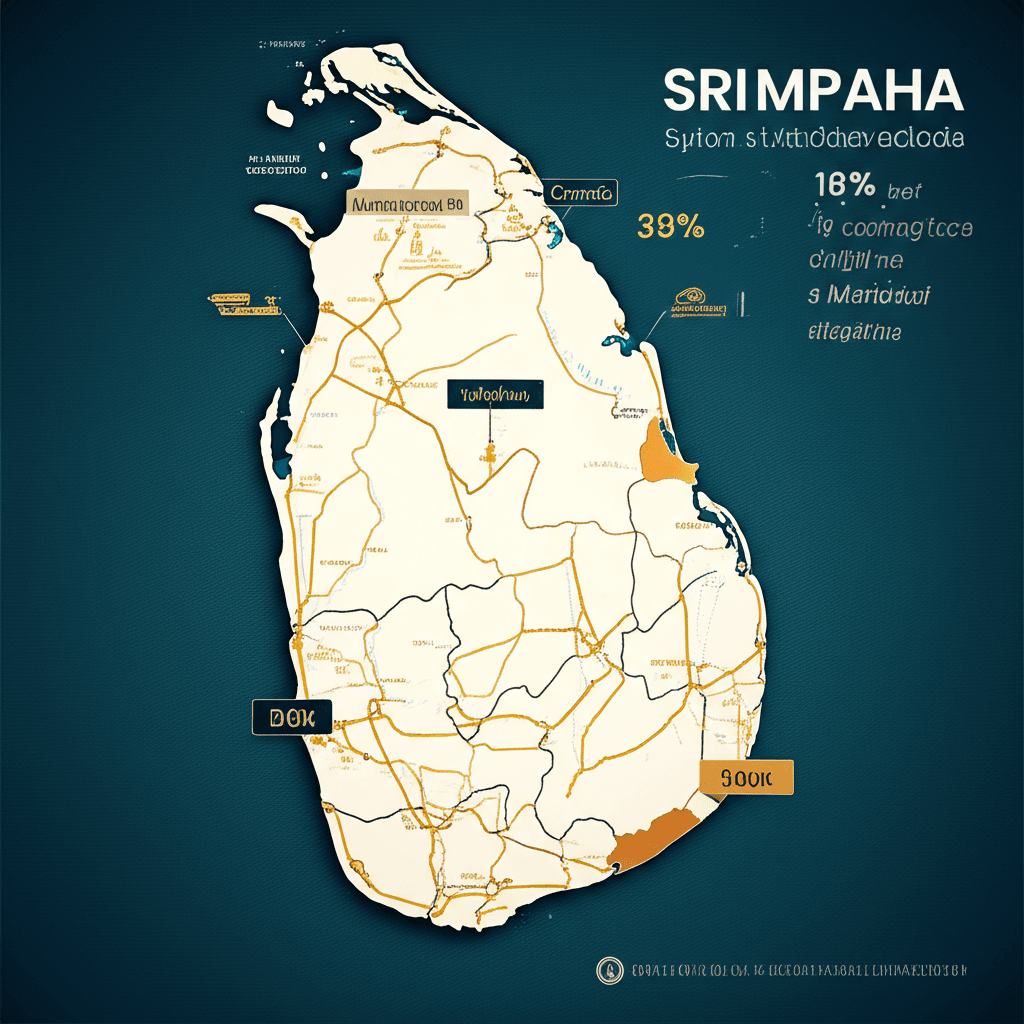
Unbeatable Logistics: You’re sitting on a goldmine. You have the Bandaranaike International Airport (BIA) in your backyard, you’re a stone’s throw from the Port of Colombo, and you’re connected by the main expressways. This means faster, cheaper shipping for your customers. In ecommerce, last-mile delivery is everything, and Gampaha’s geography gives you an incredible head start.
A Dense, Hungry Market: Gampaha is the second-most populous district. That’s a massive, concentrated audience of potential buyers. These aren’t just numbers; they’re an emerging middle class with growing disposable income and an appetite for quality goods they can’t always find locally.
Lower Operating Costs: Let’s be practical. Setting up a base in Gampaha—whether it’s a small workshop or a packing station—is significantly more affordable than doing so in the heart of Colombo. This lets you invest more into your products and marketing.
From Local Crafts to Global Clicks
I’ve seen this play out firsthand. Think about a small apparel business based in Minuwangoda. For years, they might have supplied larger Colombo-based stores. Now, with a simple WooCommerce site, they can sell their high-quality export surplus directly to customers in Kandy, Galle, or even internationally. They control their brand, their pricing, and their customer relationships. The same goes for someone selling unique clay pottery from Divulapitiya or artisanal coconut products. Before, their market was limited to whoever drove past their shop. Today, their market is anyone with an internet connection. Isn’t that an incredible shift in power for the small seller?
Why WooCommerce is the Top Choice for Gampaha Sellers
And this is where things get practical. We can talk about platforms all day, but what really matters is what works for your business, right here in Gampaha. I’ve seen so many entrepreneurs get stuck on this, so let me break down why I genuinely think WooCommerce is the smartest move you can make.
It’s All About the Money (Your Money)
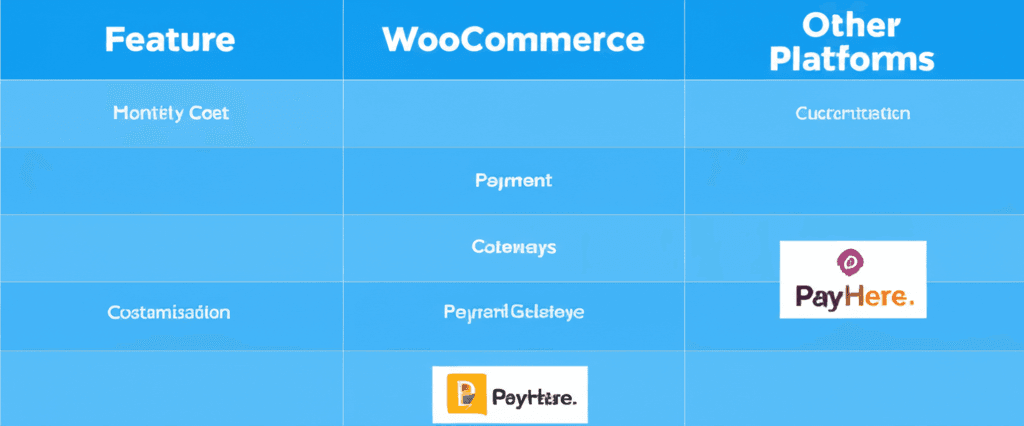
Let’s talk numbers, specifically Sri Lankan Rupees. When you look at platforms like Shopify, you’re signing up for a recurring monthly fee. Their basic plan is often around $29 USD, which is close to LKR 9,000 every single month. That adds up to over LKR 100,000 a year, and that’s before they take a percentage of your sales if you don’t use their payment system. With WooCommerce, the software itself is free. Your main cost is web hosting, which you can get from a good local provider for maybe LKR 20,000 for the entire year. You own the platform. You control the costs. For a new business, that difference is massive.
Making it Truly Sri Lankan
Your online shop shouldn’t look like it was made for someone in another country. It needs to connect with your customers. This is where WooCommerce shines. You have total freedom. Want to add a Sinhala or Tamil language option? There are plugins for that. Want to create special delivery zones with different rates for Kadawatha, Negombo, and Ja-Ela? You can do that easily. You can pick a design that reflects Sri Lankan culture or your unique brand, not just a generic template everyone else is using. You’re not stuck in someone else’s box; you’re building your own store, exactly how you want it.
Connecting with Local Payment Gateways is Simple
How do you get paid? This is a huge question, and WooCommerce has the best answer for Sri Lanka. I’ve helped business owners set this up, and it’s surprisingly straightforward. Integrating with local gateways like PayHere or WEBXPAY is a breeze because they have dedicated WooCommerce plugins. You install the plugin, enter your account details, and you’re ready to accept credit cards, mobile payments, and even bank transfers. Imagine you sell homemade spice blends from your home in Kiribathgoda. A customer can visit your site, add items to their cart, and pay instantly using their local bank card through PayHere. The money goes directly to your account. No fuss, no complicated international systems.
Sure, you have to manage your own updates and security, but is that small effort worth the incredible savings and total control? I think for any smart Gampaha seller looking to build a long-term, profitable online business, the answer is a clear yes.
Step-by-Step: Launching Your Gampaha-Based WooCommerce Store
Speaking of which, let’s get down to the practical side of things. It’s one thing to talk about WooCommerce, but it’s another to actually build your store from your home in Kadawatha or your workshop in Nittambuwa. I think the best way to approach this is by breaking it down into a simple, logical flow. Don’t worry, it’s more straightforward than you might think.
Getting Your Foundation Right: Domain and Hosting
First, you need a digital address. I strongly recommend getting a .lk domain name. It immediately tells customers you’re a local business, which builds instant trust. You can register it through the official LK Domain Registry. For hosting, you could go with a local provider for local support, but I’ve found that a good international host with servers in Singapore offers fantastic speed for Sri Lankan users. The lower latency really makes a difference to your site’s loading time. Get your foundation right.
Making It Work for Sri Lanka: The Right Plugins
This is where your standard WooCommerce install becomes a truly Sri Lankan store. You’ll need a few key plugins to handle payments and our unique delivery challenges. Forget about the dozens of options you see online; focus on these two areas first:
Payment Gateway: Install the official plugin for a Sri Lankan provider like PayHere or WEBXPAY. This allows you to accept credit/debit card payments and even mobile money, which is essential for local buyers.
District-Based Shipping: You need a way to charge different delivery fees for Gampaha, Colombo, and outstation areas. A plugin like “Table Rate Shipping for WooCommerce” lets you set these rules up perfectly. You can set a low fee for Ja-Ela, a medium one for Colombo 7, and a higher one for Kandy.
From Gampaha to Your Customer: Products and SEO
Now for the fun part: your products. Let’s say you sell beautiful clay pots sourced from artisans in Warijapola. When you list them online, your website’s inventory must be your single source of truth. If you sell a pot in your physical shop, you must update the stock online immediately. The WooCommerce mobile app is fantastic for managing this on the go. As for getting found, start with basic local Search Engine Optimization (SEO). Think about what your customers are typing into Google. They aren’t just searching for “clay pots,” are they? They’re searching for “handmade clay pots delivery Gampaha” or “large plant pots near Colombo.” Use these phrases in your product descriptions and page titles. Finally, set up a Google Business Profile and link it to your new website. It’s free, and it’s probably the single most effective thing you can do to attract local buyers.
Case Studies: Gampaha’s WooCommerce Success Stories & Future Trends for 2026
Okay, let’s talk about what actually works. It’s one thing to discuss plugins and themes, but it’s another to see how real Gampaha businesses are making money with WooCommerce. I think the best way to learn is by looking at others who are already a few steps ahead.
Take a small, family-run spice exporter I know of, based just outside Ja-Ela. They sell curated boxes of cinnamon, cardamom, and heirloom peppers. Their WooCommerce site isn’t flashy, but it’s smart. They use a simple currency switcher plugin and have direct API integration with DHL. Because they’re so close to the Bandaranaike International Airport (BIA), they can promise and deliver extremely fast international shipping. That’s their unique selling point, and their website is built to support it perfectly.
Then there’s a modern batik clothing brand in the Kiribathgoda area. Instead of a physical shop, they poured their budget into a beautiful WooCommerce store with stunning photography. Their secret? They’ve connected their product catalog directly to Instagram and Facebook Shops. Customers see a design they love on social media, tap once, and land directly on the product page to buy. They turned their social feed into their main sales channel, with the website acting as the secure, reliable cash register.
Looking Ahead: What’s Next for Gampaha Sellers?
So, what does this all mean for you as we look towards 2026? I believe the game will be won by focusing on a few key areas. First, mobile commerce is non-negotiable. More than 70% of Sri Lankan internet traffic is on phones, so your store must look and work perfectly on a small screen. Test it constantly.
Second, the fusion of social media and e-commerce will only get deeper. Think less about just posting updates and more about creating a direct path from a TikTok video or an Instagram Reel to your checkout page. Finally, I’m seeing a huge interest in sustainable packaging. For Gampaha sellers, this is a massive opportunity. Imagine shipping your products in locally sourced, biodegradable materials like woven palmyra leaf boxes or coir fibre cushioning. This isn’t just good for the planet; it’s a powerful story that resonates with international buyers, especially when you’re using your proximity to the port and airport to reach them. It tells them you care about quality from product to package.
So, What’s the Real Bottom Line?
Honestly, after looking at all the options, I think it boils down to one simple idea. For a seller in Gampaha, choosing a platform isn’t just a technical decision; it’s about giving yourself the freedom to grow. WooCommerce lets you build your own digital flagship store, not just rent a tiny online stall. You get total control to create a brand that truly reflects you and can scale to serve customers from Colombo to Jaffna, and well beyond. You’re not just selling online; you’re building a future-proof business asset.
The question isn’t if Gampaha sellers can thrive online, but what will your successful store look like come 2026?
Frequently Asked Questions
Is WooCommerce better than Shopify for sellers in Sri Lanka?
For many Sri Lankan sellers, especially in areas like Gampaha, WooCommerce is more cost-effective. It offers greater flexibility with local payment gateways like PayHere and lower long-term costs as you don't pay a monthly subscription fee, only for hosting.
How much does it cost to start a WooCommerce website in Gampaha?
Initial costs can range from LKR 15,000 to LKR 50,000+. This includes a domain name (approx. LKR 3,000 for .lk), web hosting (starting from LKR 5,000/year), a premium theme (optional), and essential plugins. The flexibility of WooCommerce allows you to start small and scale up.
Can I manage local delivery within Gampaha and Colombo using WooCommerce?
Yes, absolutely. WooCommerce has powerful shipping zone features. You can set specific, lower delivery fees for Gampaha, Colombo, and other districts. Plugins from local courier services can also be integrated for real-time tracking and rates.