Imagine a customer in Melbourne falls in love with your handwoven sarees on Instagram. They’re ready to buy, but your checkout process feels clunky and they can’t figure out the shipping costs to Australia. Just like that, the sale is gone.
I think this is one of the biggest, quietest frustrations for Sri Lankan businesses. Your products—be it single-origin tea or beautiful resort wear—are world-class, but is your WordPress site truly ready for a global stage in 2026? It’s one thing to have a website; it’s another to have an international sales engine that builds trust and effortlessly handles everything from multi-currency pricing to generating a DHL shipping label.
So, let’s skip the vague predictions. I’m going to show you the few, specific e-commerce trends that will actually move the needle for your export business. We’ll look at how to use AI for more than just chatbots and what a “headless” setup could mean for your site’s speed in the US or Europe. This is your practical roadmap for turning those international clicks into loyal customers.
Trend 1: Headless Commerce for Unmatched Global Performance
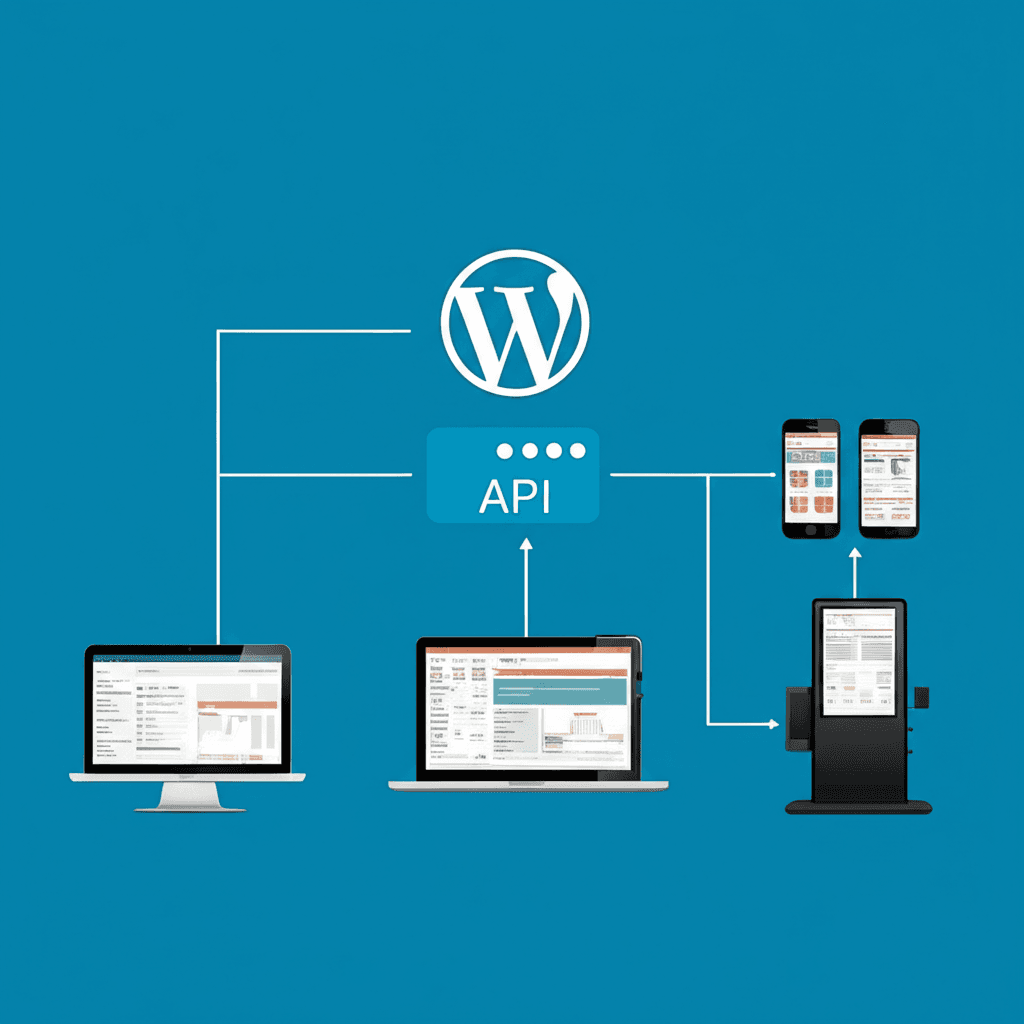
Okay, let’s talk about a concept that sounds way more complicated than it is: headless commerce. I think of it like this: your WordPress/WooCommerce dashboard is your brilliant, organized back office—it handles inventory, orders, and all your product data. Your public-facing website, the storefront your customer sees, is a separate entity. Headless simply cuts the “head” (the frontend theme) off the “body” (the WordPress backend), allowing them to operate independently but stay connected through something called an API.
So, why should a Sri Lankan business exporting hand-loomed textiles or single-origin tea care? Speed. A traditional WordPress site can be slow for a customer in New York or London. With a headless approach, you can build an incredibly fast frontend using modern frameworks (like Next.js or Gatsby) and serve it from a global content delivery network (CDN). This means your product pages load almost instantly for anyone, anywhere in the world.
What this really means for your business:
Superior Global Speed: Your site feels local to every visitor, which directly impacts conversion rates. A one-second delay can cost you sales.
Creative Freedom: You aren’t limited by a WordPress theme’s structure. You can design a completely unique, immersive shopping experience tailored to a specific market’s taste.
Enhanced Security: By separating your customer-facing site from your WordPress admin area, you significantly reduce the attack surface for bad actors.
Imagine selling Ceylon spices. With a headless setup, you could have one storefront for your European B2B clients that looks professional and focuses on bulk orders, and a completely different, more visually rich site for your North American retail customers that tells the story of your spice gardens. Both storefronts would pull product information from the exact same WooCommerce dashboard. You manage everything in one place, but present a perfectly tailored face to each audience. It’s a powerful way to compete on a global stage without juggling multiple, disconnected systems.
Trend 2: AI-Powered Personalization and Localization
Building on that foundation, let’s talk about something I think is no longer a ‘nice-to-have’ but a flat-out necessity: Artificial Intelligence. I know, AI sounds like a big, expensive thing. But for a Sri Lankan business selling to the world, it’s your secret weapon for making a customer in Berlin feel just as at-home on your site as someone in Colombo. It’s about closing that distance through technology, making every visitor feel like you built the store just for them.
Think about it this way. A customer from Canada lands on your spice shop. Instead of just showing them your best-sellers, an AI-powered WordPress plugin analyzes their behaviour. It might notice they looked at cinnamon and cloves, and then recommend a ‘Winter Warmer’ spice bundle. At the same time, it automatically displays all prices in Canadian Dollars (CAD) and shows a pop-up with a calculated shipping cost to Toronto. This isn’t magic; it’s just smart data making the purchase decision incredibly easy.
Then there’s the challenge of time zones. You can’t be awake 24/7 to answer questions from customers in the US or UK. This is where AI-driven chatbots come in. I’m not talking about those annoying, useless bots from a few years ago. Modern ones can be trained on your specific product information. They can answer questions like ‘Is your coconut oil cold-pressed?’ or ‘Do you ship to postcodes in Scotland?’ in multiple languages, instantly. It’s like having a perfect salesperson working for you around the clock.
Honestly, implementing these tools is less about being technically advanced and more about showing deep respect for your customer’s context. When someone sees products and pricing that reflect their own world, they trust you more. After all, isn’t making your customer feel understood the best way to win their business?
Trend 3: Showcasing Sustainability and Ethical Sourcing
I think we can all agree, the global customer of 2026 is asking a lot more questions. They don’t just want a product; they want to know its story, its impact, and its soul. This is a huge opportunity for Sri Lankan businesses because our stories are often naturally sustainable and deeply rooted in community. We’re not just talking about a generic “eco-friendly” sticker. This is about weaving your brand’s ethical practices right into the fabric of your WordPress site.
Your product page is no longer just for specs and a price. It’s your stage. Imagine you’re selling handloom textiles. Instead of just listing the dimensions, you can use a simple page builder or custom fields to add a section called “Meet the Maker.” Include a photo of the artisan in her village, a short bio, and explain the traditional techniques she uses. You can also use specific plugins to display certifications like Fair Trade or GOTS (Global Organic Textile Standard) as prominent trust badges right below the “Add to Cart” button. It’s a powerful visual cue.
Let’s get specific. Think about a small business exporting single-origin Ceylon cinnamon. Their product page could feature a small map showing the estate in Matale, details about the regenerative farming practices used, and even a note about how a portion of the profits supports the local school. Suddenly, a customer in Germany isn’t just buying a spice; they’re investing in a community and a sustainable practice. After all, why just sell a product when you can sell a story that people are proud to be a part of?
Trend 4: Advanced Payment Gateway Integration for Seamless Cross-Border Transactions
Okay, let’s talk about the final, most sensitive step in any sale: the payment. I think we can all agree that getting a customer to the checkout page is hard work. Losing them there because of a clunky payment process is just painful. How many times have you personally abandoned a cart because the payment options were unfamiliar or the currency conversion was confusing? Your international customers are no different.
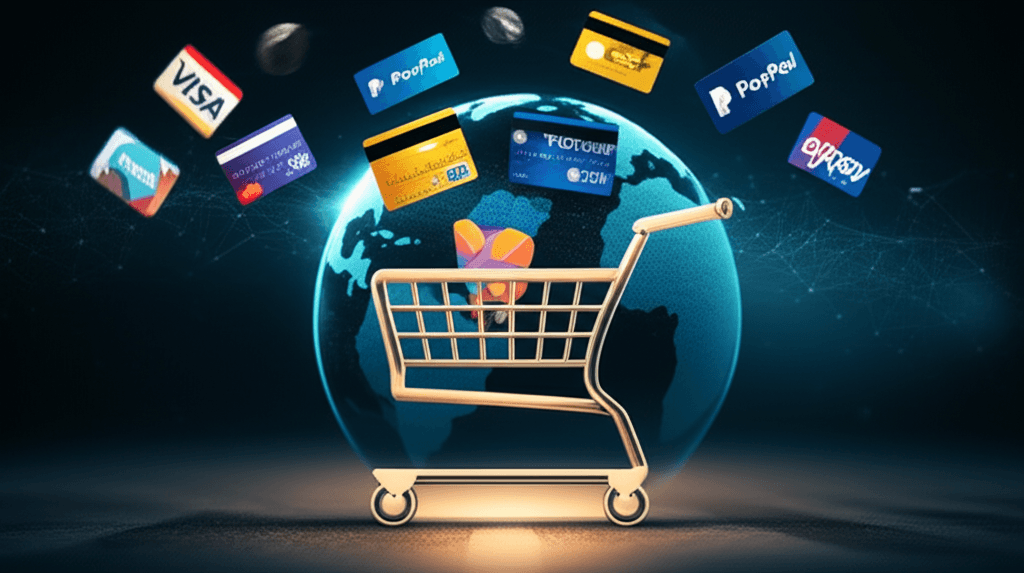
For 2026, simply accepting credit cards won’t be enough. Your WooCommerce store needs to think globally. This starts with multi-currency support. You can use a plugin like ‘Currency Switcher for WooCommerce’ to display prices in your customer’s local currency, like USD, EUR, or AUD, based on their location. It’s a small change that makes a massive psychological difference, removing friction and building immediate trust.
Choosing the Right Gateway Mix
While integrating with giants like Stripe and PayPal is a fantastic start, the real magic happens when you cater to regional preferences. For example, imagine a customer in Germany wants to buy your Ceylon tea. They see the price in Euros, which is great. But then at checkout, they see the option to pay with Sofort or Giropay—payment methods they use every day. The chance of them completing that purchase just shot way up compared to a store that only offers a generic credit card form.
Modern payment plugins do more than just process transactions. They handle complex security requirements like Europe’s Strong Customer Authentication (SCA) automatically, protecting both you and your customer. Many can also integrate with services to calculate international taxes, like VAT, at checkout. This isn’t just about convenience; it’s about building a professional, trustworthy global brand directly from your Sri Lankan base.
Trend 5: Immersive Commerce with AR and 3D Product Visualization
We’ve covered some solid ground on improving the customer experience. But here’s where it gets interesting. Think about the biggest challenge in selling a high-value physical product to someone thousands of miles away: trust. A customer in Sydney can’t exactly touch that hand-carved teak armchair you’ve listed from your workshop in Moratuwa. How can they be sure it will fit in their living room? This uncertainty is a major sales killer.
This is precisely the problem that Augmented Reality (AR) solves, and it’s becoming incredibly accessible for WordPress sites. I’m talking about adding a simple “View in Your Room” button to your product pages. It sounds futuristic, but it’s not. You can use dedicated plugins that handle 3D product models (often in .glTF or .USDZ file formats). The process usually involves getting a 3D scan of your product, which can often be done affordably from a series of high-quality photographs. Once uploaded, a customer can use their smartphone to project a true-to-scale digital version of that armchair right onto their own floor.
The impact of this is huge, especially for Sri Lankan exporters. Imagine selling intricate Dumbara mats or bespoke fashion pieces. When a buyer can virtually ‘place’ your product in their environment, their confidence skyrockets. I’ve seen this firsthand with businesses I’ve advised; it directly addresses the “what-if” doubts that lead to abandoned carts. This isn’t just a gimmick; it’s a powerful tool for increasing conversion rates and drastically reducing costly international returns. You’re essentially closing the gap between your online store and their physical world.
Trend 6: Hyper-Efficient Logistics and Supply Chain Automation
Okay, let’s talk about the less glamorous side of e-commerce: getting your product from a workshop in Galle to a customer’s doorstep in London. I think this is where many small businesses stumble when they first go international. It’s one thing to make a beautiful product, but it’s another to handle the messy reality of global shipping. How do you even calculate shipping to a dozen different countries accurately at checkout?
This is where your WordPress site needs to become much smarter. Forget manually looking up rates on different websites. The standard is now using WooCommerce extensions that plug directly into carrier APIs. I’m talking about official plugins for DHL Express, FedEx, or Aramex. When a customer in Toronto enters their address, your site instantly queries the carrier and pulls a live, accurate shipping quote. This builds immense trust because there are no hidden fees or surprise emails asking for more money for postage.
But the real efficiency gain comes after the sale. Imagine you’re a tea exporter in Kandy and an order comes in from Germany. Instead of manually copy-pasting addresses into a separate shipping portal, you just click a button inside your WordPress dashboard. This action automatically generates the shipping label, the commercial invoice, and even helps prepare the necessary customs documentation. It’s all connected, reducing human error to almost zero.
Finally, this automation must extend to your inventory. If you’re also selling on a marketplace like Etsy, your WordPress site should be the central hub for your stock levels. When a product sells on your site, the stock count should automatically update everywhere else. This prevents that awful scenario of selling the same last item to two different customers in two different continents. It’s about building a professional, reliable system that can handle global demand without you losing sleep.
So, What’s the Real Secret Sauce for 2026?
Let’s be real, after all that talk about AI and headless commerce, what’s the one thing to remember? I think it’s this: all this technology is just a tool to make your international customer feel like they’re buying from a shop right next door. It’s about using these trends to build trust and create an experience that feels personal and familiar, whether they’re in London or Sydney. Getting that feeling right is what turns a browser into a loyal customer.
If you feel you’re ready to take your Sri Lankan business global, our e-commerce strategy experts are here to chat about a personalized consultation for your WordPress store. Just imagine your brand becoming a household name in a new country—that’s the real possibility ahead.
Frequently Asked Questions
Which WordPress plugin is best for international payments from Sri Lanka?
For Sri Lankan SMBs, a combination of Stripe and PayPal via their official WooCommerce extensions is highly recommended. They offer robust multi-currency support, high security, and are trusted by customers globally, which is crucial for building confidence with international buyers.
Do I need 'headless commerce' to export internationally?
While not strictly necessary to start, headless commerce is a powerful trend for 2026 for businesses looking to scale. It provides superior speed and customization for different global markets, which can significantly improve conversion rates and user experience for your international customers.
How can I showcase my product's sustainability on my WordPress site?
You can use dedicated sections on your product pages to tell the story of your materials and artisans. Additionally, consider using plugins that allow you to add custom badges or icons like 'Fair Trade' or 'Eco-Friendly' to your product images and descriptions to immediately capture customer attention.